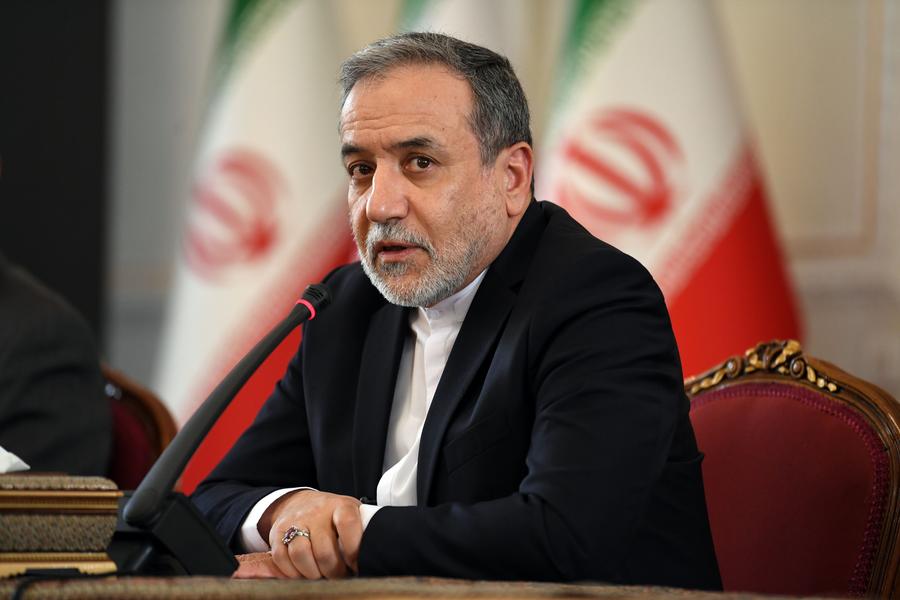
- Iran's foreign ministry condemned U.S. sanctions as 'economic terrorism' that would not 'create even the slightest hesitation' in Iranians' determination to safeguard Iran's independence, dignity and national sovereignty.
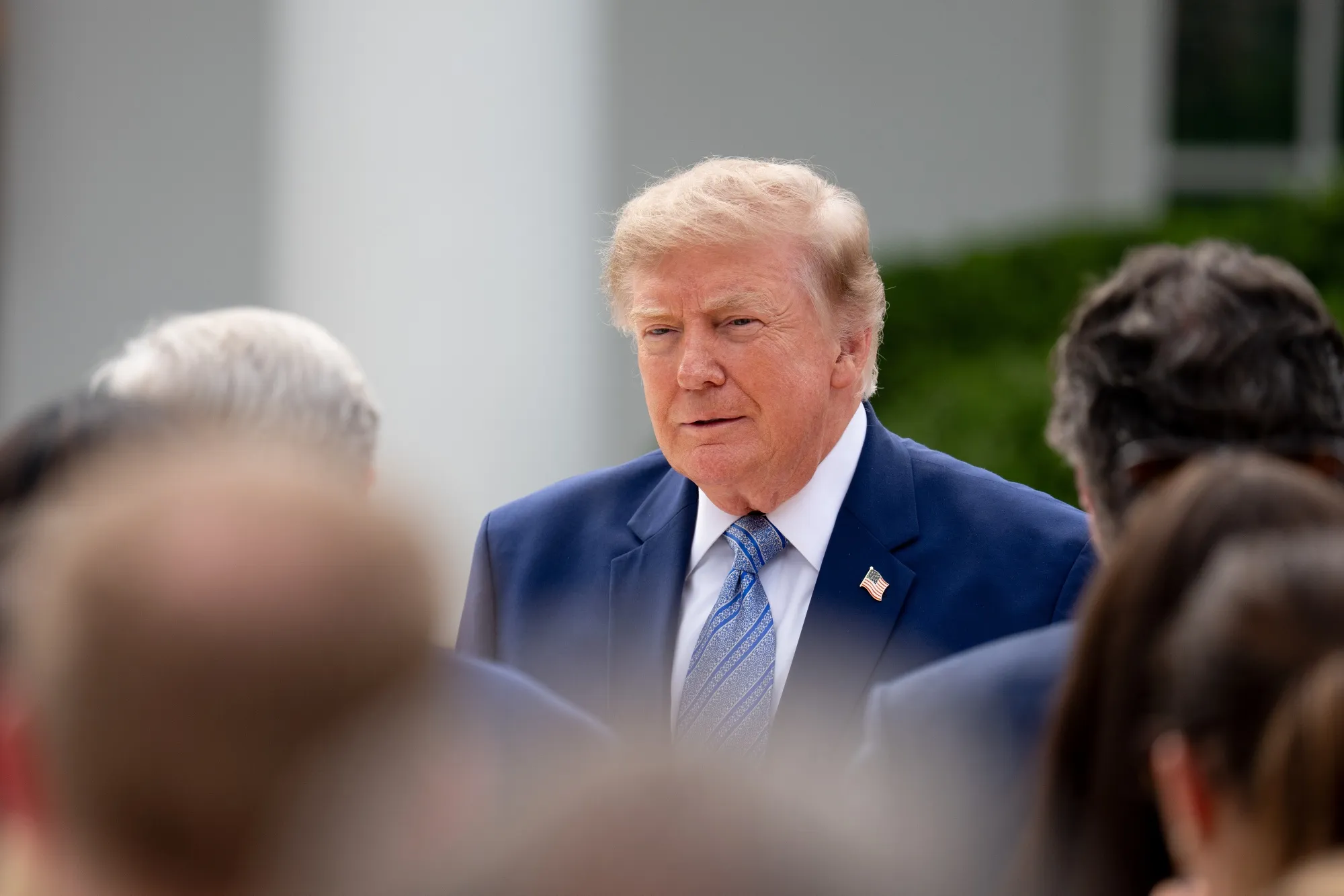
- U.S. Treasury chief Scott Bessent pledged the toughest financial penalties in history, following a warning from President Donald Trump of economic consequences for any country providing a 'lifeline to Iran'.
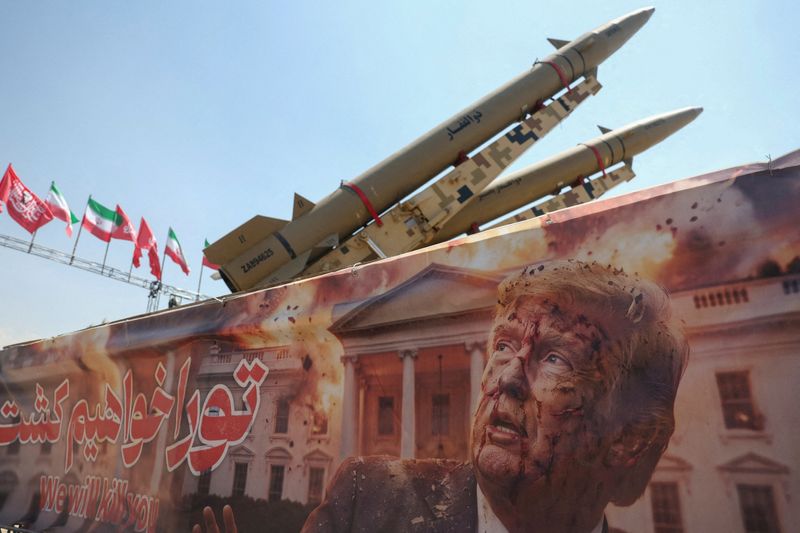
- Iran's armed forces, under Abdollahi, vowed 'crushing, punishing and devastating responses' across land, sea, air, air defence and cyberspace.
- Iran said its response to any new U.S. threats would be 'devastating' after Washington pledged to impose the toughest financial penalties in history.
- Oil prices steadied on Friday but were on track for a second weekly rise on concern over Gulf energy exports.
- China, which buys more than 80% of Iran's shipped oil, called for a political and diplomatic resolution, while U.S. pressure on Beijing risks retaliation.
Iran has issued a stark warning in response to U.S. threats of the toughest sanctions in history, pledging a "devastating" reaction. U.S. Treasury chief Scott Bessent emphasized a coordinated approach, combining financial penalties with a naval blockade, aimed at destabilizing the Iranian regime.2
Bessent stated, "It is a one-two punch. We have the blockade (on Iran), and we are going to have the toughest sanctions in history," indicating a strategic escalation in U.S. economic pressure. This comes after President Donald Trump warned of consequences for nations aiding Iran.
Iran's military, represented by spokesperson Abdollahi, declared, "With preparedness across land, sea, air, air defence and cyberspace, Iran's armed forces will respond to the enemy's new threats with crushing, punishing and devastating responses," showcasing its readiness to counteract U.S. actions.3
The Iranian foreign ministry condemned the sanctions as "economic terrorism", asserting that they would not deter the nation's commitment to its sovereignty. "It will not create even the slightest hesitation in Iranians' determination to safeguard Iran's independence, dignity and national sovereignty," the ministry stated.
As tensions rise, oil prices have stabilized but remain volatile due to concerns over Gulf energy exports, with China, a major buyer of Iranian oil, warning that "sanctions and pressure do not help resolve the problem." The geopolitical implications of these sanctions could lead to significant repercussions for U.S.-China relations.678
“Iran's foreign ministry called the sanctions 'economic terrorism,' while armed forces under Abdollahi vowed 'crushing, punishing and devastating responses' across land, sea, air, and cyberspace. China, which buys over 80% of Iran's shipped oil, urged political resolution, warning that further pressure risks retaliation.”
 The Globe and Mail