- Iran and the United States are far from reaching a deal to end the war, a senior Iranian official tells Reuters, adding that Tehran will not accept Washington's 'excessive demands'.
- The comments come at a time of heightened diplomatic efforts, with Qatar acting as a key intermediary, to prevent a potential return to active conflict after the midterms.
- Qatari mediators travelled to Tehran on Monday night for talks on a version of the draft US-Iran deal that has been under negotiation for the past eight days.
- Iran's Parliament Speaker Mohammad Baqer Qalibaf said on Tuesday that the ball was in the US' court after Tehran gave a "strong and rational response" to Washington.
- Last week, top officials from Saudi Arabia, Turkey, and Pakistan met Iranian officials in Tehran, marking the first high-level contact since August.
- On Monday, US President Donald Trump raised doubt about whether he would follow through on a strike against Iran after the midterm elections, suggesting that he believed Tehran wanted to make a deal as soon as possible.
- Iranian Foreign Minister Abbas Araqchi stated on Tuesday that talks between Iran and Saudi Arabia are ongoing as Tehran aims to reach new regional security arrangements for countries in the region without foreign military involvement.
Diplomatic efforts between Iran and the United States are intensifying, yet a senior Iranian official has declared that Tehran will not yield to Washington's 'excessive demands.' The remarks come amid heightened negotiations, with Qatar facilitating discussions aimed at averting a return to conflict following the U.S. midterm elections.1
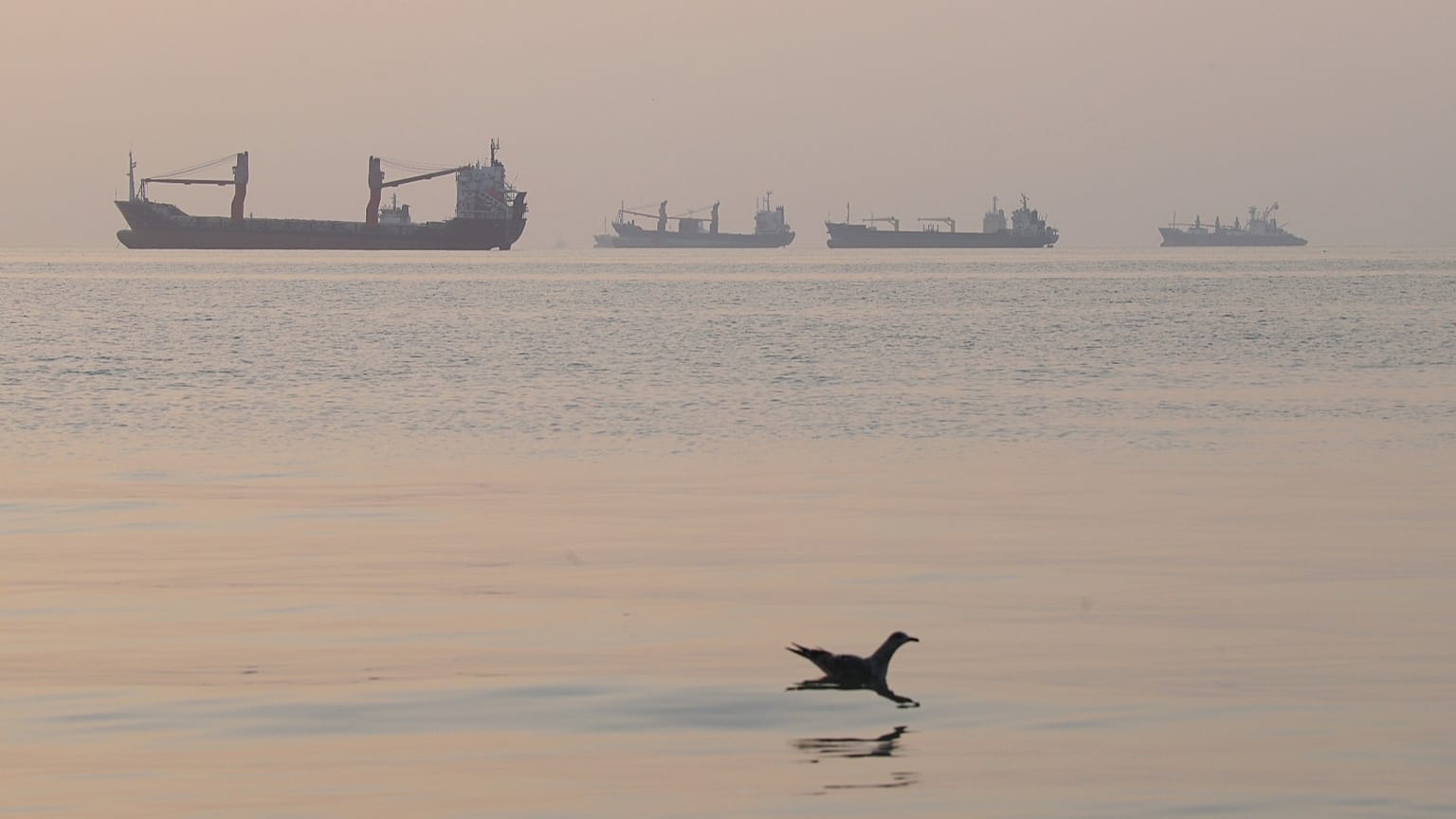
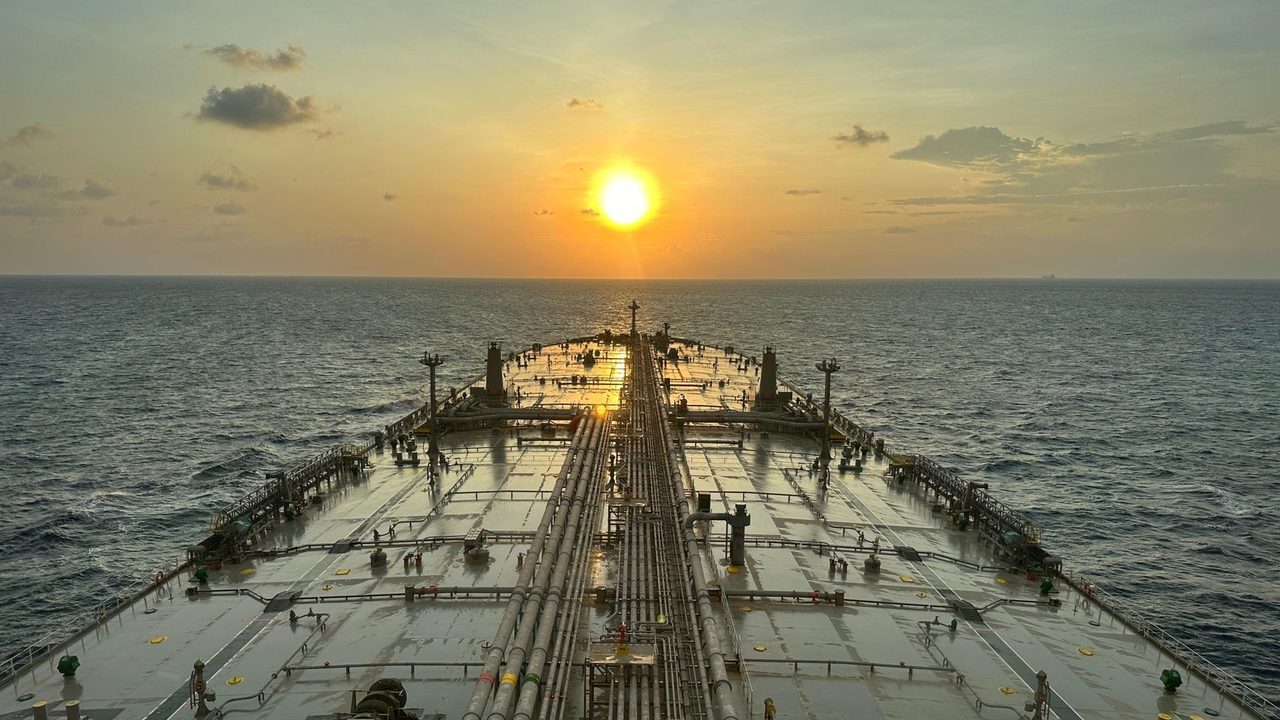
"Mediators are working hard to narrow gaps between Tehran and Washington," the official stated, as Qatari representatives visited Tehran for talks on a draft deal that has been under negotiation for over a week. The Iranian official emphasized that Tehran's conditions must be met for the U.S. to consider reopening the Strait of Hormuz, a critical maritime route.
Iran's Parliament Speaker, Mohammad Baqer Qalibaf, asserted that the ball is in the U.S.'s court after Tehran provided a strong response to Washington. He warned that Iran would respond forcefully to any U.S. military actions, stating, "The enemy seeks to force the Iranian nation into submission through threats and military action, but they are sorely mistaken."4
In parallel, diplomatic channels remain active, with Iranian Foreign Minister Abbas Araqchi confirming ongoing talks with Saudi Arabia aimed at establishing new regional security arrangements without foreign military involvement. This follows a series of high-level meetings between Iranian officials and representatives from Saudi Arabia, Turkey, and Pakistan, marking a significant step in regional diplomacy.57
“Qatari mediators travelled to Tehran on Monday night for talks on a draft deal under negotiation for eight days, while Parliament Speaker Qalibaf said the ball is in the US' court after Tehran gave a 'strong and rational response'. Trump also raised doubt about a strike after midterms, and Tehran warned it would respond forcefully to any US action.”