- Qatar's mediation efforts continue, with both parties reviewing proposals, but differences remain.
- Tehran's newspapers agree across factions that negotiating with the United States is legitimate, but are deeply divided over whether diplomacy can still prevent war.
- Supreme Leader Mojtaba Khamenei has ordered Iran’s armed forces to prepare for war across an extended front.
- Iran's hardline faction is preparing for war, with the Supreme Leader ordering armed forces to prepare across an extended front.
Qatar's mediation efforts are underway as both the U.S. and Iran review proposals aimed at easing tensions. However, Iran's internal divisions complicate the situation, with hardliners preparing the public for potential conflict while reformists advocate for diplomacy.12
A senior Iranian official indicated that Tehran and Washington remain far from a deal, rejecting what he termed Washington's “excessive demands.” Meanwhile, Supreme Leader Mojtaba Khamenei has ordered Iran's armed forces to prepare for war, reflecting a hardening stance among certain factions.56
Qatar's Foreign Ministry spokesperson confirmed that both parties are considering the mediation suggestions, although significant differences persist. Hardline media outlets are framing the situation as a “psychological bombardment of the negotiating table,” indicating a readiness for conflict.
Reformist voices, however, express cautious optimism. Politician Ali Sufi noted five key elements in the U.S. proposals that could signal a turning point for Iran, emphasizing the need for direct talks and lifting sanctions.
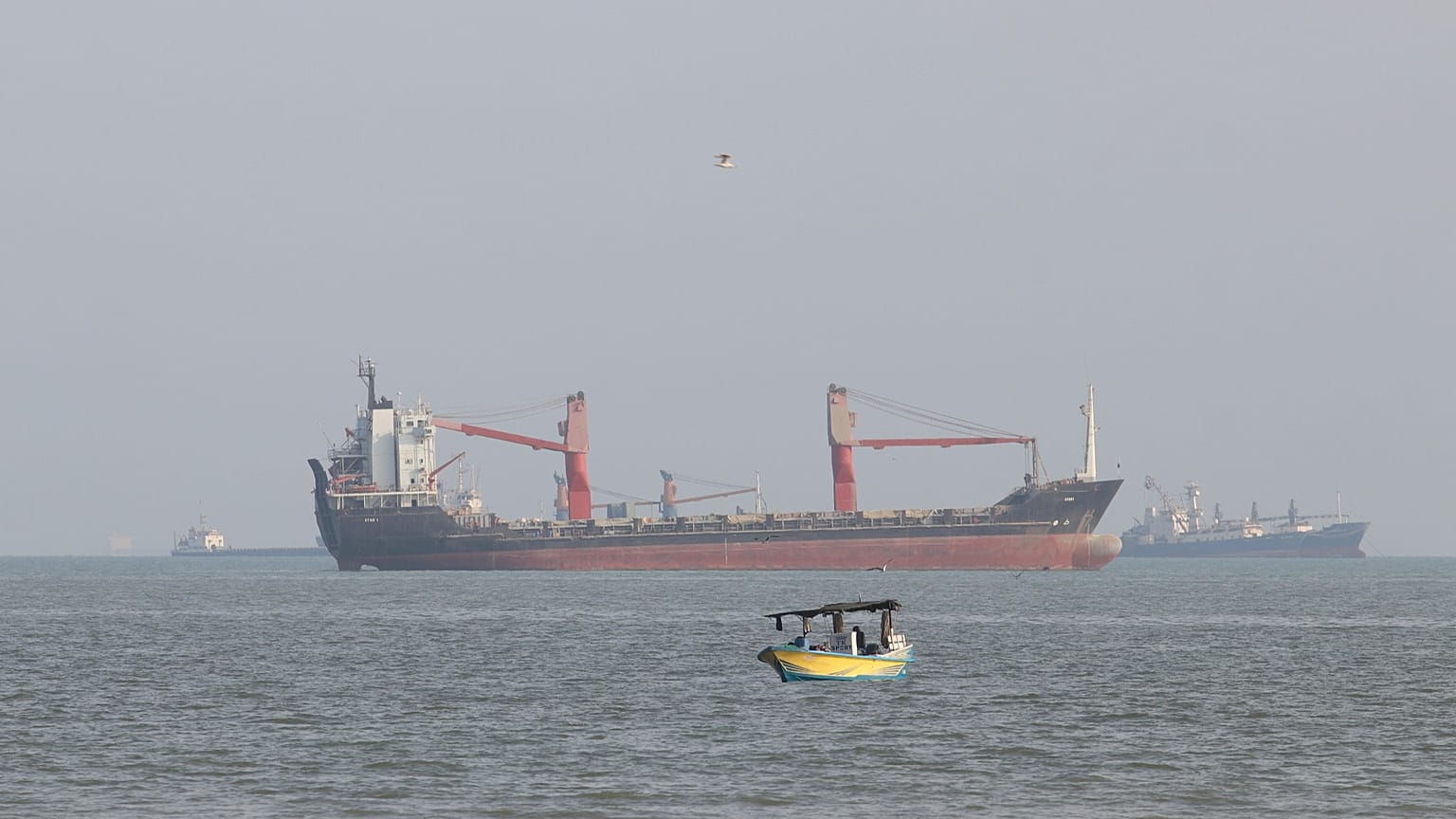
The geopolitical stakes are high, as Qatar is particularly vulnerable to disruptions in the Strait of Hormuz, a critical passage for its LNG exports, which constitute half of its foreign-currency revenue.
As tensions escalate, the outcome of these negotiations remains uncertain, with both sides grappling with internal and external pressures.
“Iran's Supreme Leader ordered armed forces to prepare for war across an extended front, while hardliners rejected Qatar's five-day confidence-building proposal as a 'psychological bombardment.' Tehran's newspapers agree negotiating with the US is legitimate but remain deeply divided on its prospects.”