
- US launched strikes on Iran early Wednesday in retaliation for attacks on ships in the Strait of Hormuz; Iran retaliated with strikes on Bahrain and Kuwait.
- Iran launched missile and drone strikes against U.S. military installations in Bahrain and Kuwait on Wednesday, following new American attacks.
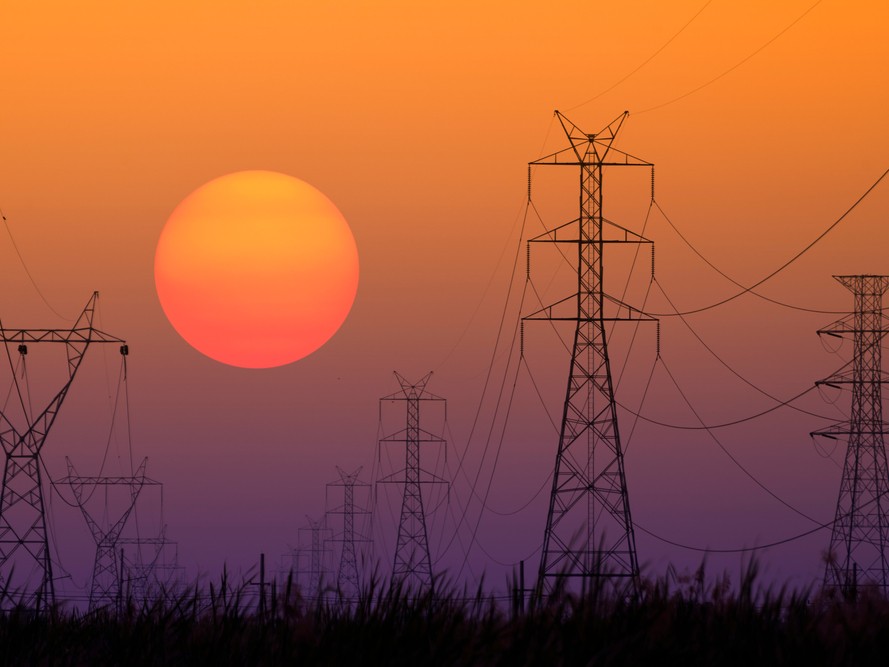
- Kuwait and Bahrain have restored power after Iranian strikes retaliating against U.S. strikes on Iran.
- Kuwait said its air defenses had intercepted hostile missile attacks, and the General Staff called for adherence to safety instructions.
- Egypt strongly condemned the Iranian strikes, calling them a "flagrant violation" of sovereignty and an "unacceptable escalation," and urged restraint.
- GCC and Arab states condemned Iranian attacks on Bahrain and Kuwait as violations of international law.
- Oil prices rose over 5% after Trump declared the interim accord 'over'.
- The escalation was preceded by reported Iranian attacks on commercial vessels in the Strait of Hormuz, prompting US military strikes.
- The IRGC claimed it shot down a U.S. MQ-9 drone that attempted to interfere with the operation.
- The Iranian retaliation came after the United States launched fresh strikes against Iran following attacks on commercial tankers in the Strait of Hormuz.
- U.S. Central Command (CENTCOM) said it struck more than 80 targets in Iran, including air defenses, radar, and Revolutionary Guard boats, following Iranian attacks on commercial tankers.
- President Donald Trump said the interim agreement is effectively finished: "For me, I think it's over," and added that talks would be a waste of time.
Iran launched missile and drone strikes against U.S. military installations in Bahrain and Kuwait on Wednesday, escalating tensions after the U.S. conducted retaliatory strikes against Iranian targets. This exchange of fire threatens the fragile ceasefire established last month, raising fears of a broader conflict in the Middle East.1234567
The U.S. military's Central Command (CENTCOM) reported that it targeted over 80 Iranian sites, including air defense systems and boats belonging to the Islamic Revolutionary Guard Corps, in response to Iran's attacks on commercial vessels in the Strait of Hormuz.1113

In retaliation, Iran's Islamic Revolutionary Guard Corps (IRGC) claimed responsibility for the strikes on U.S. positions in Bahrain and Kuwait, stating that they shot down a U.S. MQ-9 drone during the operation. Air raid sirens were activated in both Gulf states as they intercepted incoming missiles and drones.12

Egypt condemned Iran's actions as a flagrant violation of sovereignty, warning that such escalations threaten regional stability. The European Union echoed these sentiments, labeling the attacks as “unacceptable” and detrimental to ongoing diplomatic efforts.8
U.S. President Donald Trump declared the interim ceasefire agreement with Iran effectively “over”, while Iranian officials vowed not to yield to U.S. pressure, stating, “The era of bullying and extortion is over.” The renewed hostilities have raised concerns over global energy security, as oil prices surged following the attacks.15
“Kuwait and Bahrain restored power to residential areas after the strikes, while Kuwaiti air defenses intercepted hostile missiles and drones. Trump declared the interim accord 'over', and Brent crude rose more than 5% amid fears of a wider conflict.”




 Crude Oil Prices Today | OilPrice.com
 سانا
سانا Egypt Todayسانا
 Dubai Eye 103.8
 Gulf Times
 Daily Pioneer



