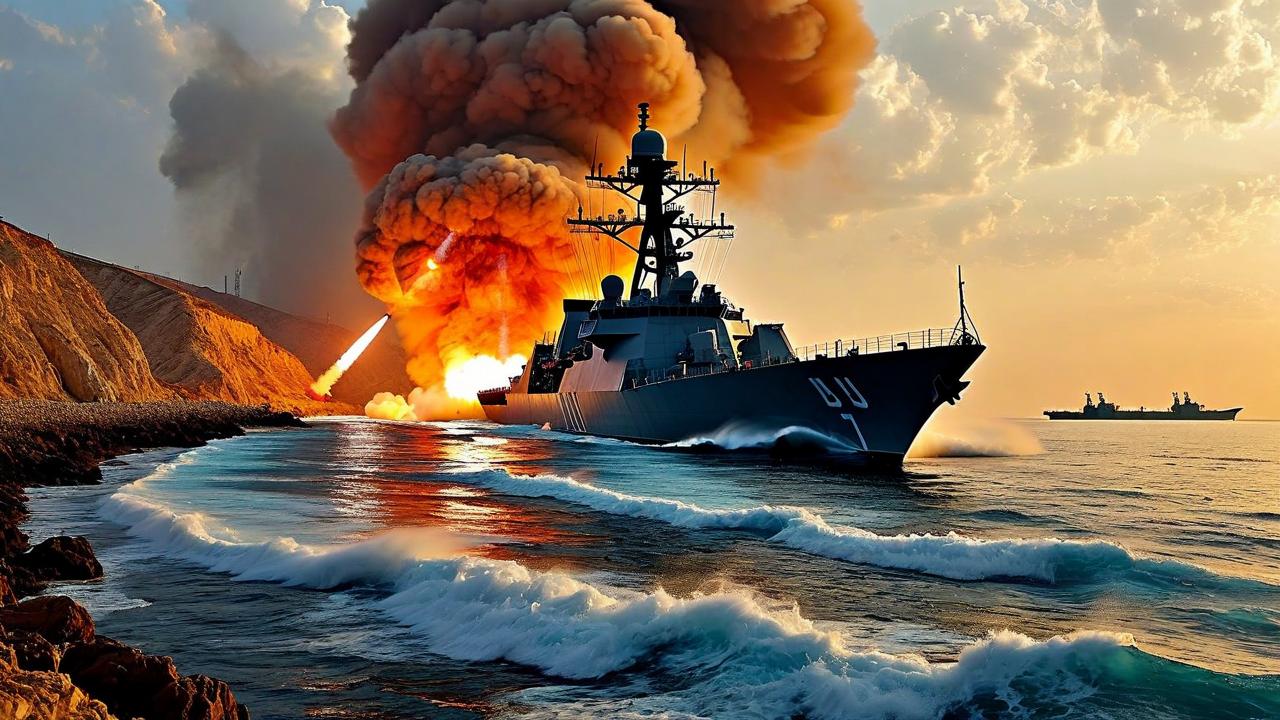
- Iran has struck hostile targets in the Strait of Hormuz, according to a report by Fars News.
- Turkey, Saudi Arabia, and Pakistan will sign a joint defence agreement in Saudi Arabia on Friday, as reported by regional sources.
- Analysts are discussing the difficulty of bypassing the Strait of Hormuz for energy exports, highlighting the risks involved.
- The Strait of Hormuz is a critical maritime chokepoint connecting the Persian Gulf to the Gulf of Oman.
- Iranian attacks on vessels in the Strait of Hormuz and a US blockade have impacted energy exports from the Middle East.
- Gulf countries are exploring a wide range of workarounds to ship out their oil, natural gas, metals, and chemicals, essential to the global economy.
Iran has escalated military tensions in the Strait of Hormuz by striking hostile targets, as reported by Fars News. This strategic waterway is crucial for global oil transport, connecting the Persian Gulf to the Gulf of Oman.5
The report did not provide details on the scale or timing of the strikes, but it highlights the ongoing conflict's impact on energy exports.
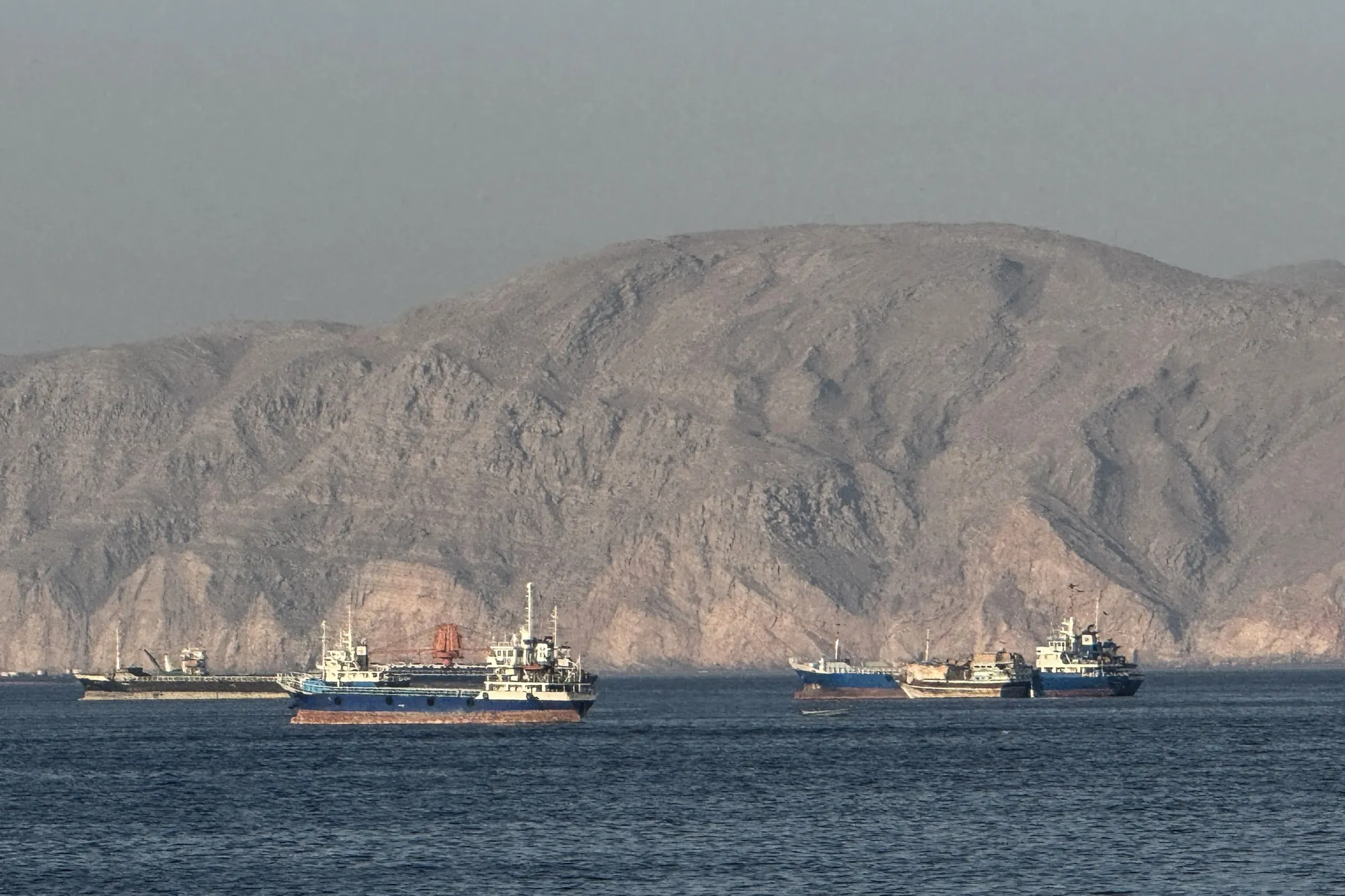
Since the start of the Iran war, Iranian attacks on vessels and a US blockade have significantly affected energy exports from the Middle East.6
Despite potential diplomatic resolutions, the situation underscores the risks of relying on a single maritime route, which can be easily disrupted.
In a related development, Turkey, Saudi Arabia, and Pakistan are poised to sign a joint defense agreement on Friday, indicating a shift in regional military dynamics. This agreement may enhance cooperation among these nations amid rising tensions in the region.3
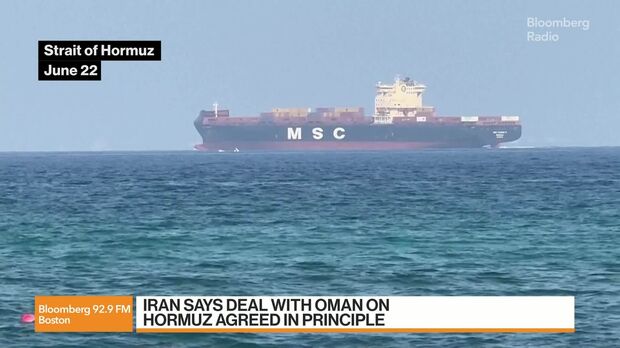
Gulf countries are exploring alternatives to maintain oil exports, as the Strait of Hormuz remains critical for their economies.7
Even if diplomatic efforts succeed in restoring normal traffic, the conflict has revealed vulnerabilities in the global supply chain reliant on this key route.
“The Strait of Hormuz is a critical maritime chokepoint, and the conflict has exposed the risks of relying on a single route that can be easily disrupted. Gulf countries are exploring workarounds to ship oil, gas, metals, and chemicals, though bypassing the strait is not easy.”






