- The Iranian government is preparing the public for another increase in fuel prices as it struggles to afford heavily subsidised fuel for its 93 million population amid US sanctions and war.
- Iran's last major petrol price shock in 2019 triggered nationwide demonstrations, and current inflation is severe: the Statistical Center reported consumer prices 88 percent higher than a year earlier, with food inflation exceeding 128 percent.
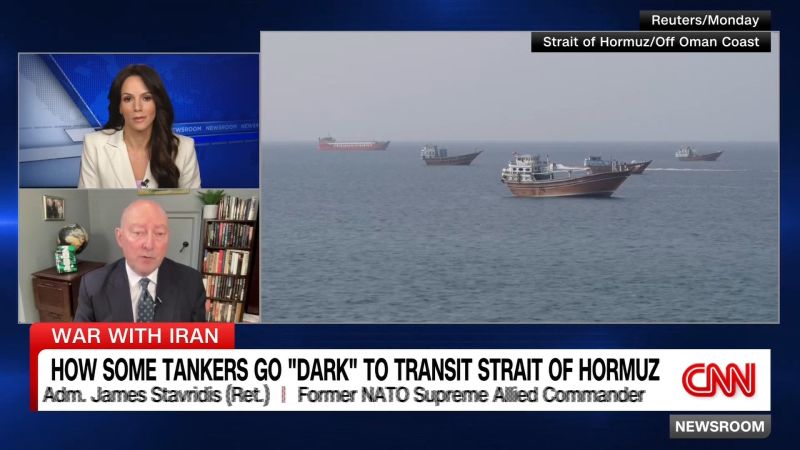
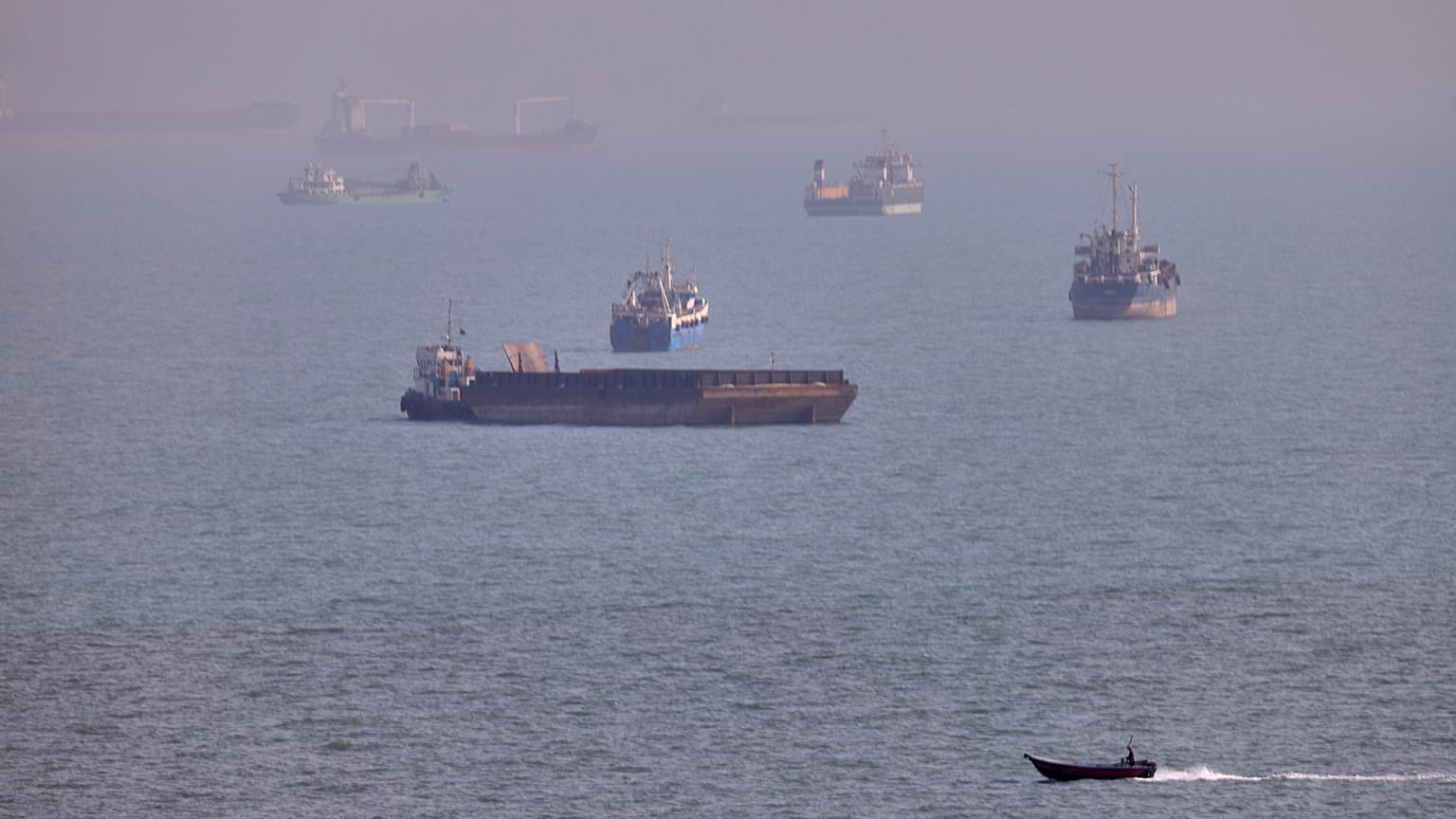
- The quota for the second fuel category was cut from 100 litres to 70 litres and later to 50 litres following renewed fighting and disruption around the Strait of Hormuz.
- The Iranian rial hit an all-time low of 2 million rials per US dollar after the US threatened the 'most crushing economic operation' ever.
- A trial plan in Kerman province to sell petrol at a much higher rate was halted shortly before implementation, highlighting political sensitivity.
- Iran’s fuel pricing system includes multiple categories: the cheapest allows 60 litres a month at 15,000 rials per litre, a second at 30,000 rials, and another at 50,000 rials.
- Iranian crude loadings have fallen sharply from pre-war levels as the US blockade disrupts exports, further weakening an economy that relies heavily on energy revenues.
- Officials appear to be leaning toward protecting the cheapest 60-litre quota while examining ways to reduce other subsidies and control consumption.
- Hiking petrol prices has already sparked nationwide demonstrations in 2019 and preceded the January 2026 protests, so authorities are treading carefully with a final decision expected in coming weeks.
Iran is grappling with a potential fuel price hike as it faces mounting economic challenges from US sanctions and ongoing conflict. The government must decide whether to maintain its heavily subsidized fuel prices, which are among the lowest globally, or increase them, risking public unrest.1
Currently, Iran consumes about 135 million litres of petrol daily, while domestic production stands at approximately 121 million litres. The International Monetary Fund forecasts a 5.4 percent contraction in Iran's GDP by 2026, exacerbated by a sharp decline in the value of the rial, which recently hit 2 million rials per US dollar.5
The Iranian government is under pressure to adjust fuel prices, as the cost of subsidized petrol is significantly lower than in other countries. The cheapest tier allows for 60 litres per month at 15,000 rials per litre, while higher categories are priced at 30,000 and 50,000 rials per litre. However, the government is struggling to sustain these subsidies amid rising inflation, with consumer prices soaring 88 percent year-on-year and food inflation exceeding 128 percent.237

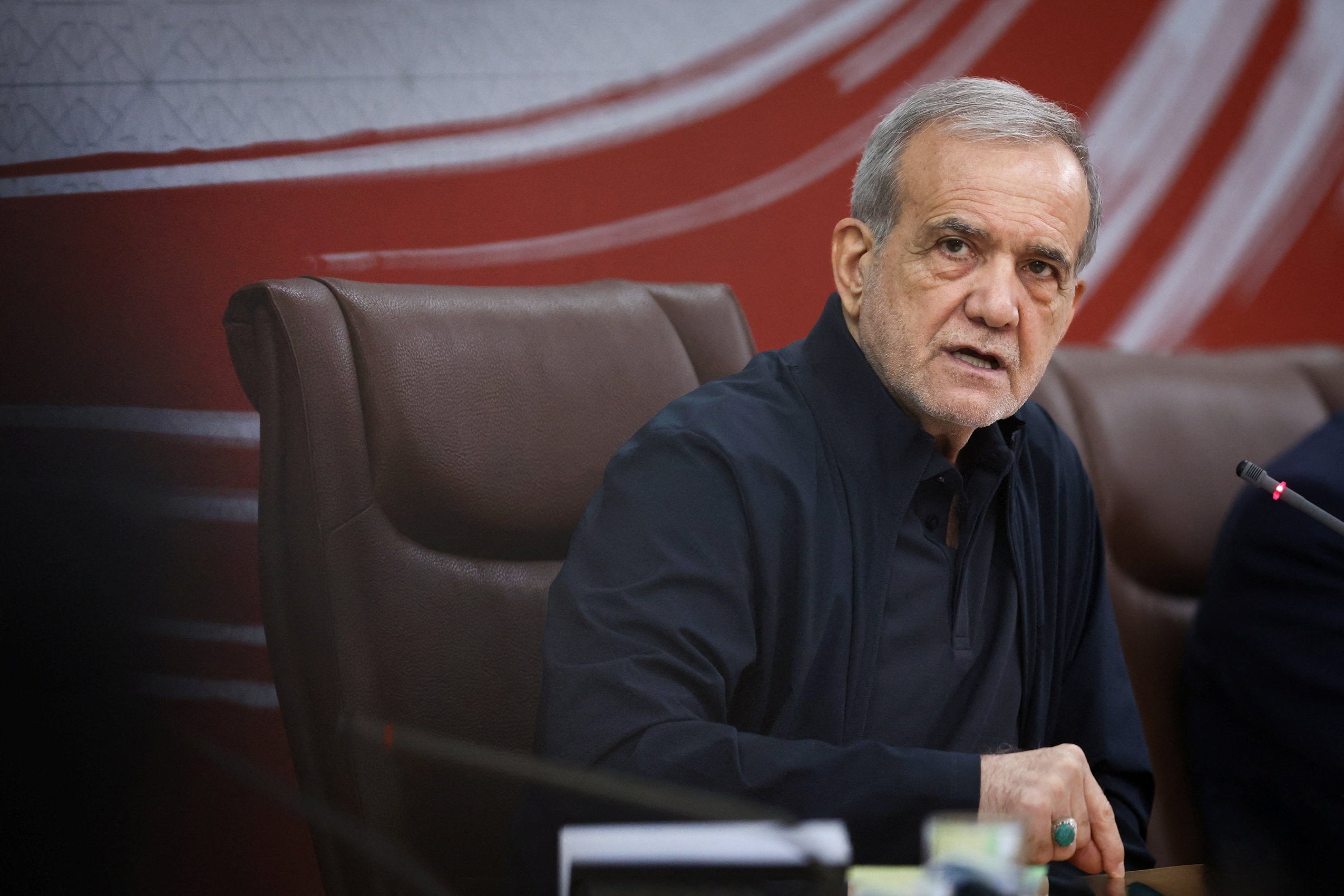
In 2019, a previous fuel price increase led to nationwide protests, making authorities cautious about any changes. President Masoud Pezeshkian acknowledged the difficulties faced by the population, stating, “We are doing our best so the people are not afflicted”, while also highlighting the external pressures from the US and Israel.
As the government considers options, including a potential price of 872,000 rials per litre, the implications for transport and logistics costs loom large, threatening to pass additional burdens onto consumers.
“The IMF expects Iran's GDP to shrink by 5.4 percent in 2026, and the rial hit a record low of 2 million per US dollar after Washington threatened the 'most crushing economic operation' ever. A Kerman pilot selling petrol at 17 times the non-quota rate was halted, underscoring political sensitivity.”