Sources: 
Iran is determined to retain control over the Strait of Hormuz, a vital maritime route through which about 20% of the world's oil passes. Despite a halt in major attacks, the conflict remains unresolved, with U.S. naval blockades targeting Iranian-linked vessels to reduce oil revenues.
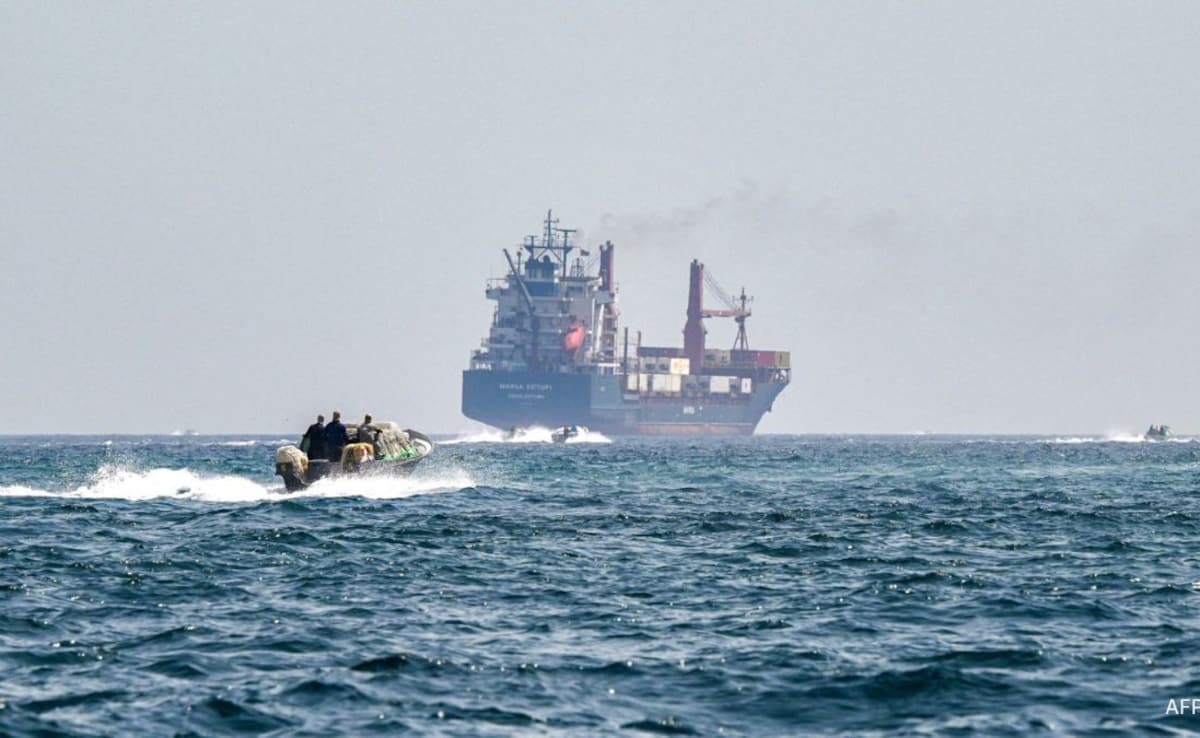
Iran's Islamic Revolutionary Guard Corps (IRGC) continues to threaten commercial ships using small fast boats, maintaining pressure on international shipping.
Goldman Sachs analyst Jared Cohen described the ongoing tactics as 'maritime trench warfare,' highlighting the tension where both nations aim to cripple each other's economic stability without direct confrontation.
'The sea route may look open, but Iran will still control it enough to influence the global economy whenever it wants,' Cohen noted. He added, 'You may have traffic flowing through, but the Iranians will likely maintain partial or unilateral control.'
In response to these dynamics, the UAE is planning to decrease its reliance on the Strait from 50% to none in the next two to three years, underlining the shifting regional strategies in the face of Iran's assertiveness.
As the situation evolves, the potential for a shift from a 'sloppy ceasefire to a strong, enduring ceasefire' looms over future dealings in the region, raising concerns for maritime security and international energy markets.
Sources: Iran aims to retain control over the crucial Strait of Hormuz amid ongoing tensions, as economic pressures between the U.S. and Iran escalate. Goldman Sachs describes this dynamic as a form of 'maritime trench warfare,' exemplifying indirect conflict affecting global oil trade and maritime security.