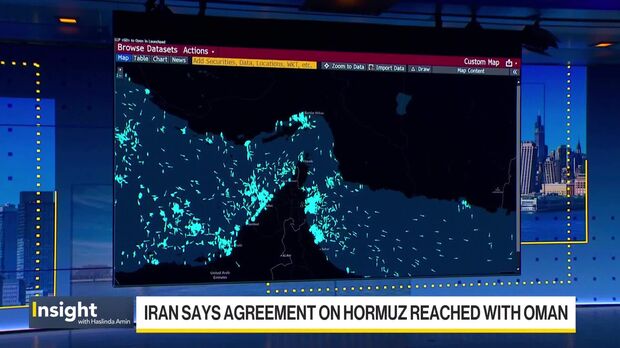
- Iran will seek to bar US and Israeli ships from the Strait of Hormuz and require compensation from hostile countries before they’re allowed to use it, according to local media reports on a proposed Iran-Oman deal to manage the crucial waterway.
- The agreement has become key to expectations for a reopening of Hormuz and a resumption of energy flows that have been throttled since the US and Israel attacked Iran in February.
- The draft plan published by Iranian state news on Thursday placed much more restrictive conditions on ship traffic through Hormuz.
- Crude oil prices rose Thursday after the draft plan was published, with Brent up 3.8% to $82.49 and WTI up 2.8% to $77.29.
- Iran and Oman are reportedly working on an agreement to define transit routes in Hormuz, with inbound traffic through Iranian waters and outbound through Omani waters.
- Treasury Secretary Scott Bessent indicated that a deal to open Hormuz with freedom of movement could come as soon as Wednesday.
Iran is advancing a draft plan to restrict U.S. and Israeli ships from the Strait of Hormuz, demanding compensation from nations it deems hostile. This proposal, part of a deal with Oman, aims to manage the vital waterway, which is crucial for global oil transport.13
The draft plan, currently under review by Iran's parliament, includes penalties for violators equivalent to 20% of the cargo's value. It also stipulates that inbound traffic will navigate Iranian waters while outbound vessels will use Omani waters, according to reports from the semi-official Fars news agency.
Following the publication of the draft, crude oil prices surged, with Brent crude rising 3.8% to close at $82.49 per barrel. This increase comes amid fluctuating prices, which had previously fallen 8% this week after speculation about a potential deal to open Hormuz for free movement of ships.45

The Iranian state news agency indicated that the agreement is crucial for resuming energy flows that have been disrupted since U.S. and Israeli attacks on Iran in February. The deal's specifics, including restrictions on Israel-related cargo and coverage for insurance and environmental costs, are still being finalized.267
As tensions rise, the Houthis have also been active, reportedly striking a Saudi tanker in the Red Sea, further complicating the regional maritime security landscape.
“The draft plan, under review by an Iranian parliamentary committee, would impose penalties on violators equivalent to 20% of cargo value and require compensation from other nations that have harmed Iran. Oil prices had fallen about 8% this week after Treasury Secretary Scott Bessent suggested a deal could come as soon as Wednesday.”


 CNBC
CNBC



