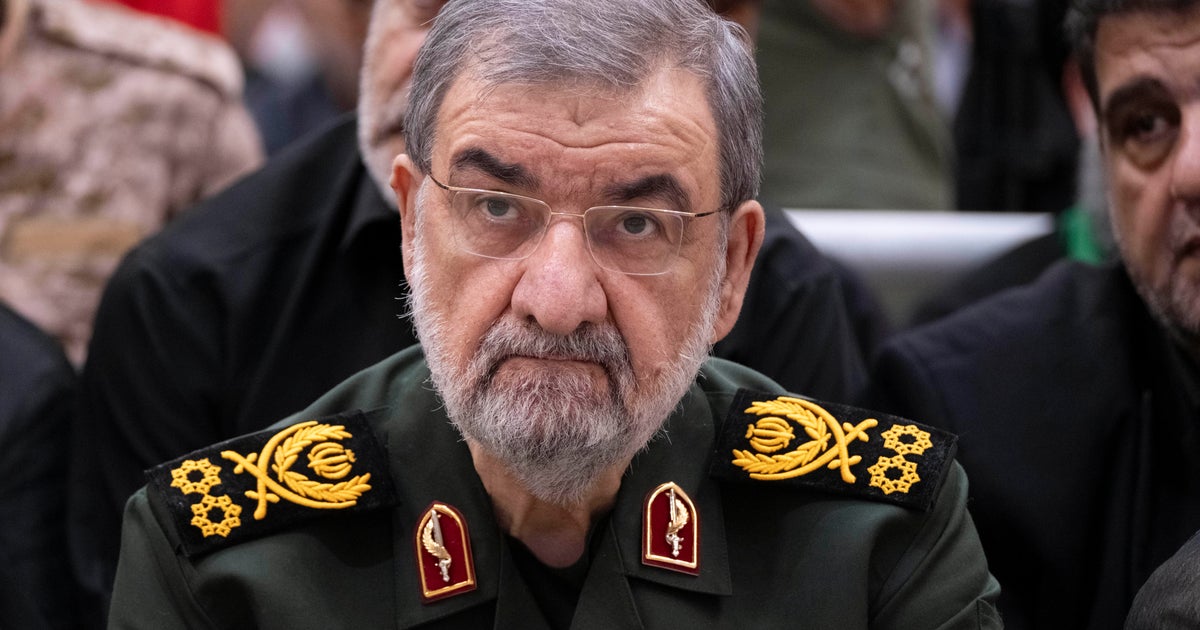
- Iran's security chief has threatened neighboring countries in response to new US economic measures, escalating tensions in the region.
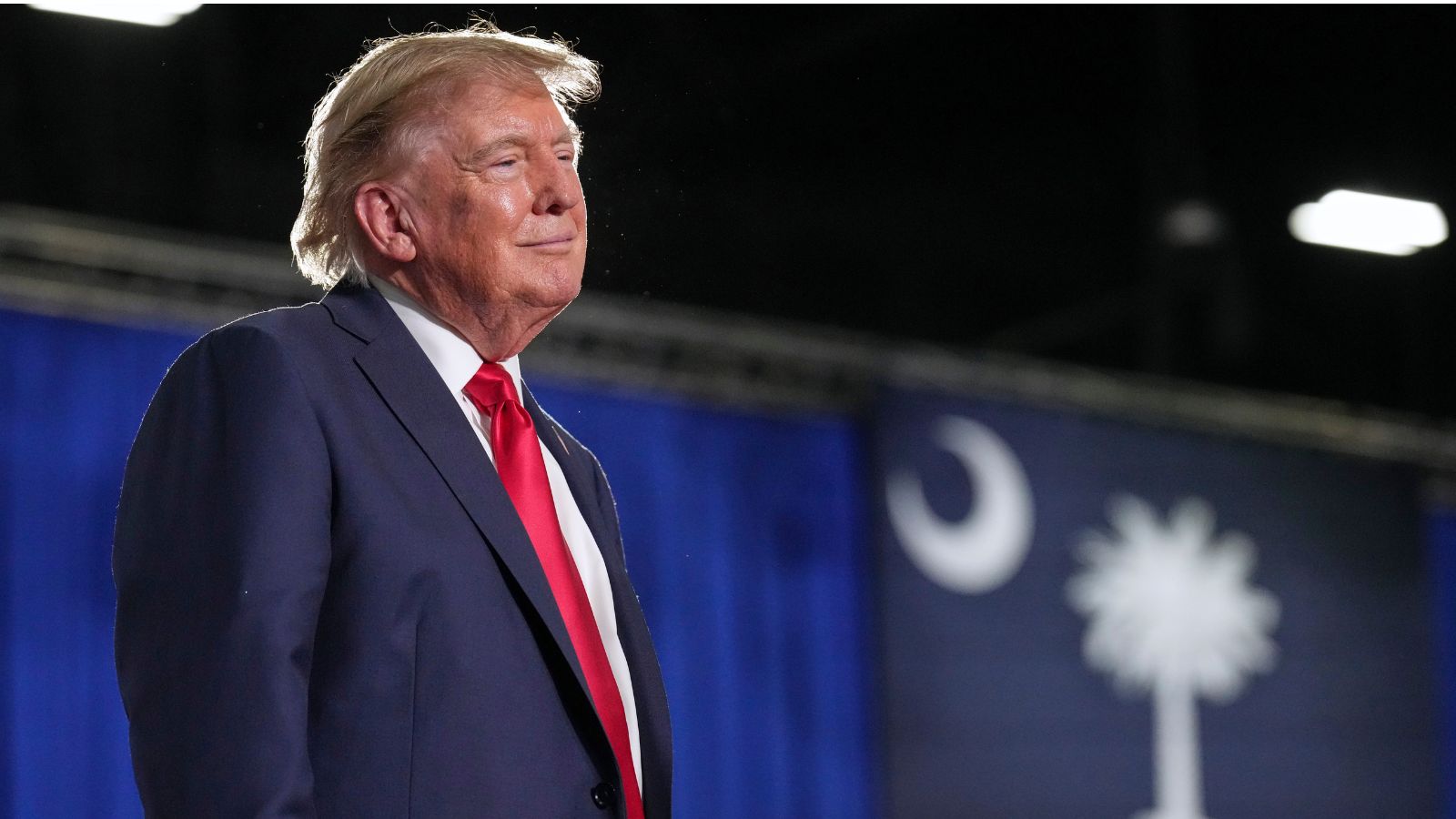
- US President Donald Trump has pledged to increase economic pressure on Iran, with Treasury Secretary Scott Bessent stating that measures 'never been seen' could be implemented as early as next week.
- The United States, United Nations, and European Union have imposed sanctions, trade embargoes, and asset freezes against Iran since the late 1970s, with additional measures introduced since the Iran war began in February 2026.
- Since the Iran war began in February 2026, Washington has added further maritime, energy, and financial sanctions and launched a naval blockade.
- Despite heightened rhetoric, the foreign ministers of Oman and Iran spoke by phone to discuss reviving talks on a bilateral arrangement governing transit through the Strait of Hormuz.
- US Energy Secretary Chris Wright praised the US's oil and gas production, noting that the US military helped ship more than 15 million barrels of oil out of the Strait of Hormuz this week.
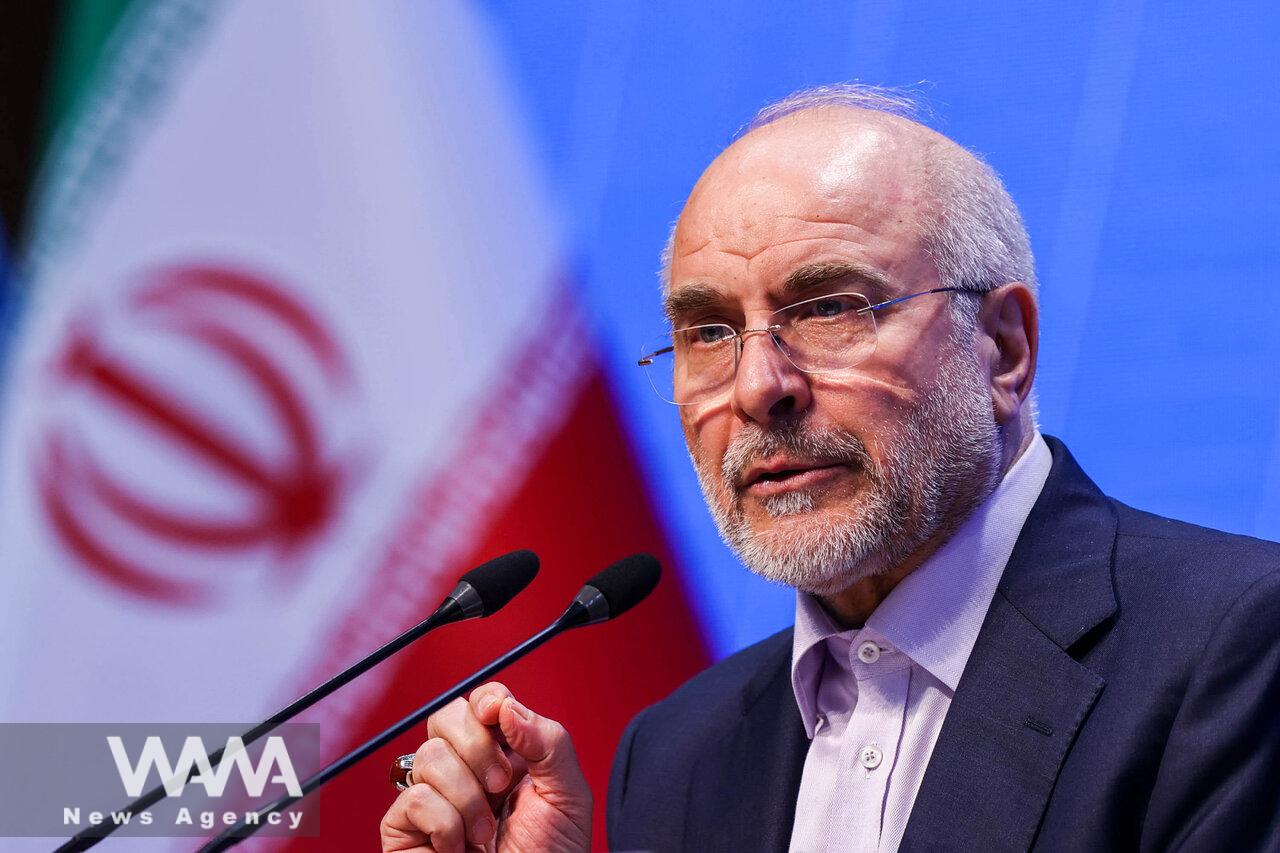
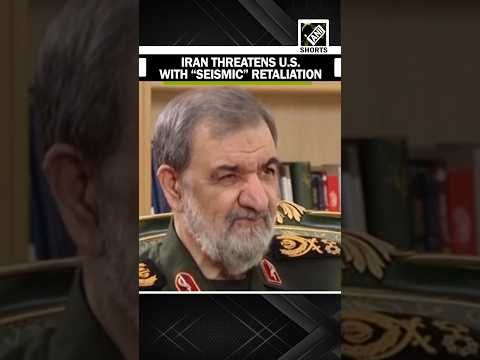
Iran's security chief Mohsen Rezaei has issued a stark warning of "earthquake-like" retaliation against the U.S. following President Trump's announcement of unprecedented economic sanctions.15
The U.S. Treasury plans to introduce measures against Iran that have "never been seen" before, escalating tensions that have already reached a boiling point.
Iran's Foreign Ministry condemned the sanctions, framing them as an attack on the sovereignty of all UN member states, arguing that the U.S. is overreaching its authority.
Amid this backdrop, Trump has controversially claimed that the Strait of Hormuz is American territory, further inflaming the situation.
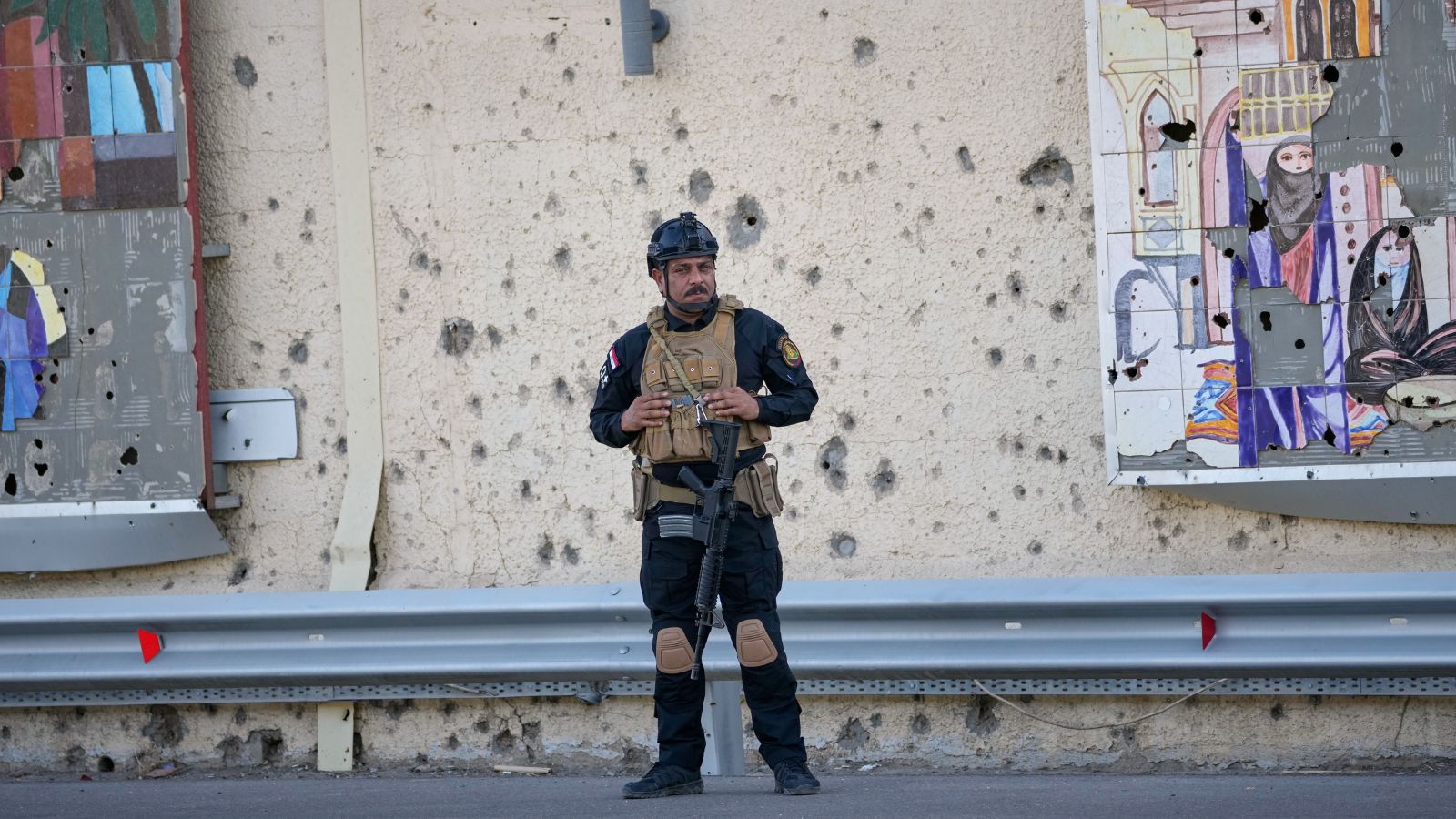
Despite the rising military rhetoric, diplomatic channels remain open, with the foreign ministers of Iran and Oman discussing a bilateral arrangement for transit through the strategic waterway.
Brigadier General Mohammad Akraminia indicated that Iran's defense strategy is shifting from a defensive posture to one focused on offensive capabilities, reflecting the heightened tensions.
The U.S. has imposed sanctions on Iran since the late 1970s, with recent measures intensifying since the onset of the Iran war in February 2026.
As the situation develops, the international community watches closely, with implications for global energy markets and regional stability.
“Treasury Secretary Scott Bessent said Washington would introduce measures against Tehran that have 'never been seen' as early as next week. Meanwhile, Oman and Iran's foreign ministers spoke by phone to discuss reviving talks on a bilateral arrangement for Strait of Hormuz transit.”

 The Indian Express