- Iran and the United States remain at loggerheads over efforts to agree a permanent end to the war in the Gulf, with no progress in talks to revive the interim deal agreed in June and define a timeframe to implement it.
- The Iranian source dismissing a report from Turkey’s Anadolu news agency stated: “There is no talk of an extension because, from Iran’s perspective, there is no period that began and therefore nothing to extend. The United States violated the interim agreement 48 hours after it was reached and withdrew from it a few days later.”
- Both Iran and the United States have stepped up rhetoric in the past two days, with Iran’s top security official, Mohsen Rezaei, stating that the Strait of Hormuz would remain closed unless the U.S. accepted Iran’s conditions to end the war, and Trump demanding that Iran pay compensation for people killed in 50 years of wars, attacks and protests.
- Concerns over Gulf oil supplies were compounded by separate attacks on shipping on Tuesday, including a deadly strike by Iran-backed Houthis on a small cargo ship in the Bab el-Mandeb Strait, and a U.S. Navy helicopter firing Hellfire missiles to disable a Panama-flagged cargo ship that ignored warnings to stop violating a naval blockade on Iranian ports.
Iran and the United States remain at an impasse regarding the revival of a June interim deal aimed at curbing hostilities in the Gulf. A senior Iranian source stated, “There has been absolutely no progress on this issue.” The deal, which sought to limit Iran's nuclear program and lift U.S. sanctions, quickly unraveled after the U.S. withdrew shortly after its agreement.1
The Strait of Hormuz, a crucial shipping route, has become a focal point of tensions, with Iran threatening to close it unless the U.S. meets its demands. Mohsen Rezaei, Iran's top security official, emphasized, “The Strait of Hormuz would remain closed unless the U.S. accepted Iran’s conditions to end the war.” The U.S. has accused Iran of failing to honor commitments to reopen this vital route, while Iran claims the U.S. has not lifted the blockade on its ports or released frozen assets.3
The interim ceasefire agreement set a 60-day period for negotiations, but Iran dismissed reports of an extension, stating, “There is no talk of an extension because, from Iran’s perspective, there is no period that began and therefore nothing to extend.” The situation has been exacerbated by recent attacks on shipping, including a deadly strike by Iran-backed Houthis in the Red Sea, raising concerns over global oil supplies.2
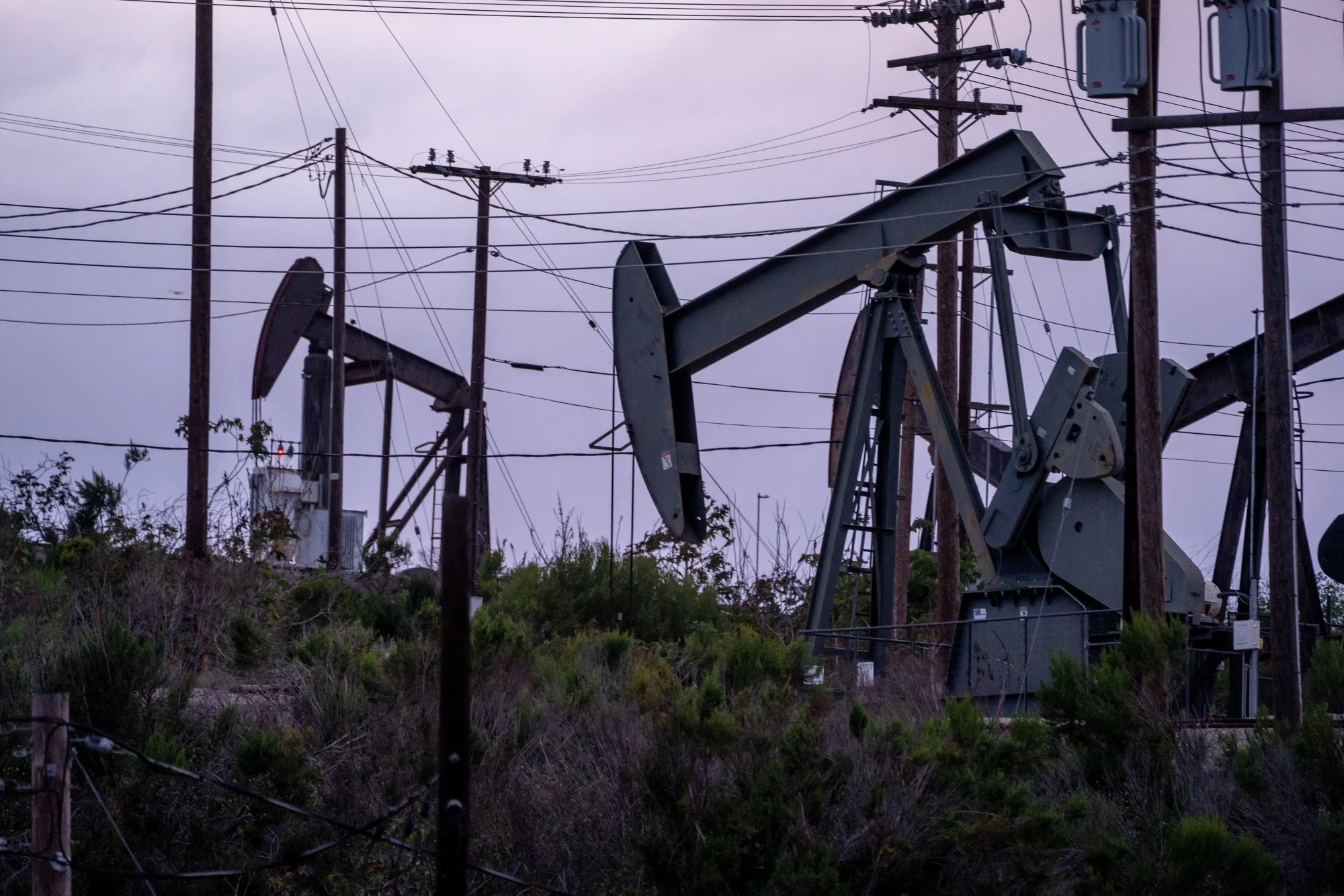
Benchmark Brent crude futures have surged, hitting a peak of US$126 a barrel, reflecting fears of disruptions in Gulf oil supplies amid ongoing tensions and shifting signals on peace talks.4
“Iran's top security official Mohsen Rezaei said Tuesday the Strait of Hormuz would remain closed unless the U.S. accepts Iran's conditions, while Trump demanded compensation for 50 years of wars. Separately, Iran-backed Houthis killed four crew members in a Bab el-Mandeb attack, and a U.S. Navy helicopter fired Hellfire missiles to disable a Panama-flagged ship.”
 The Globe and Mail