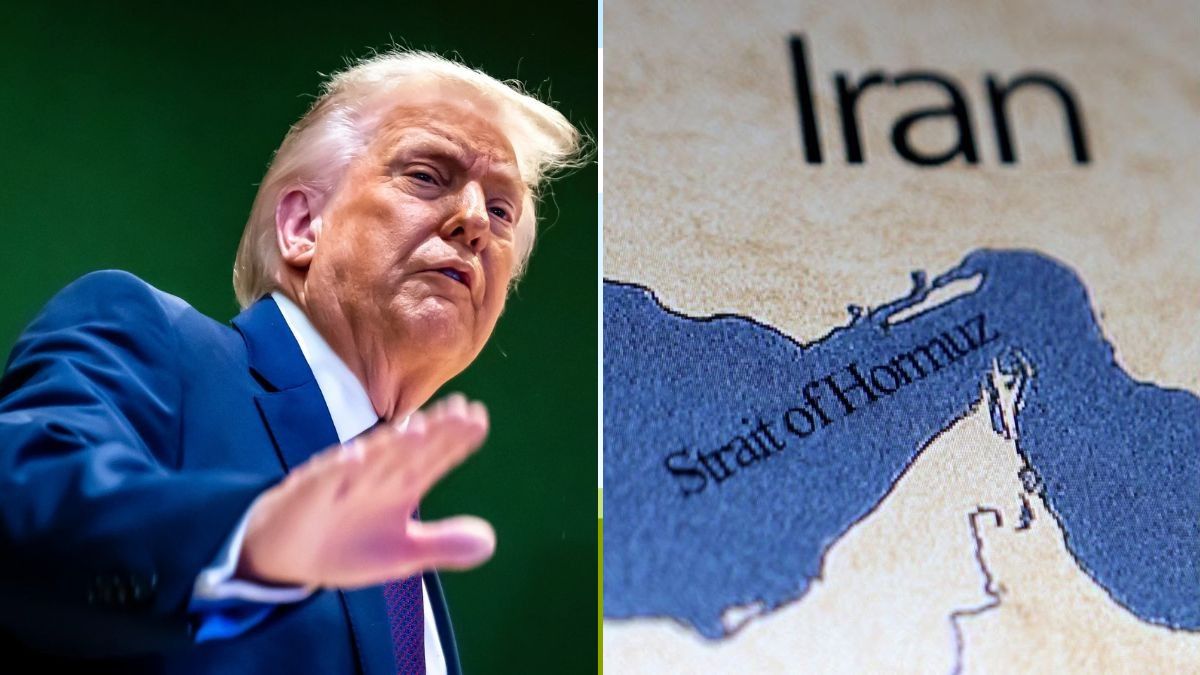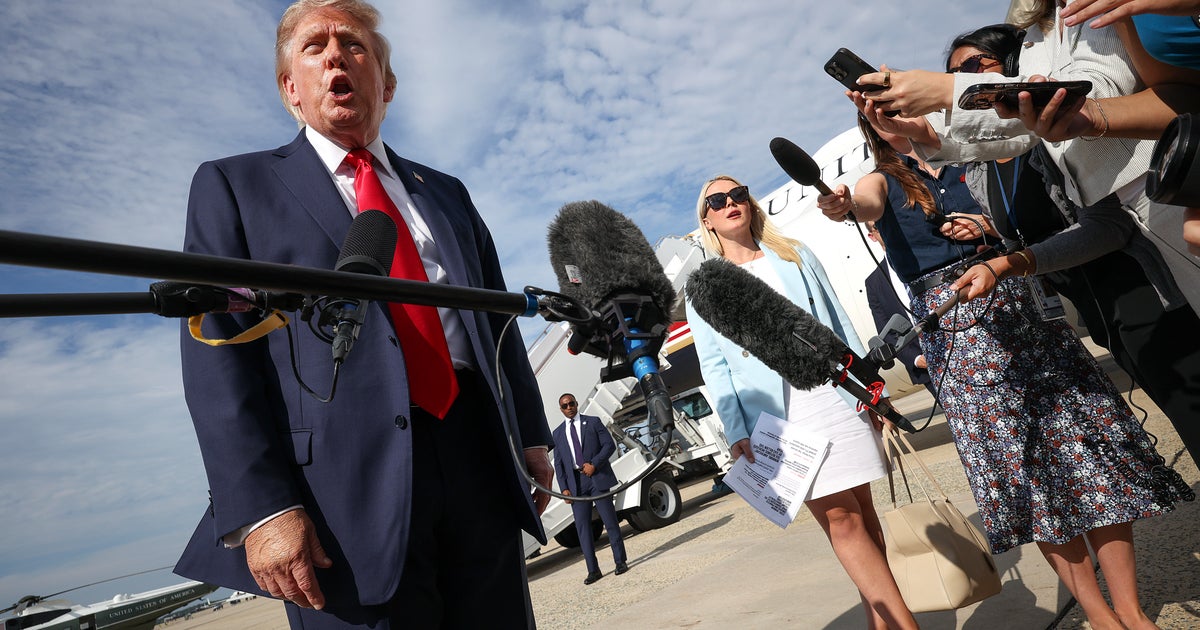
- US President Trump warned that any country providing a lifeline to Iran would face economic consequences.
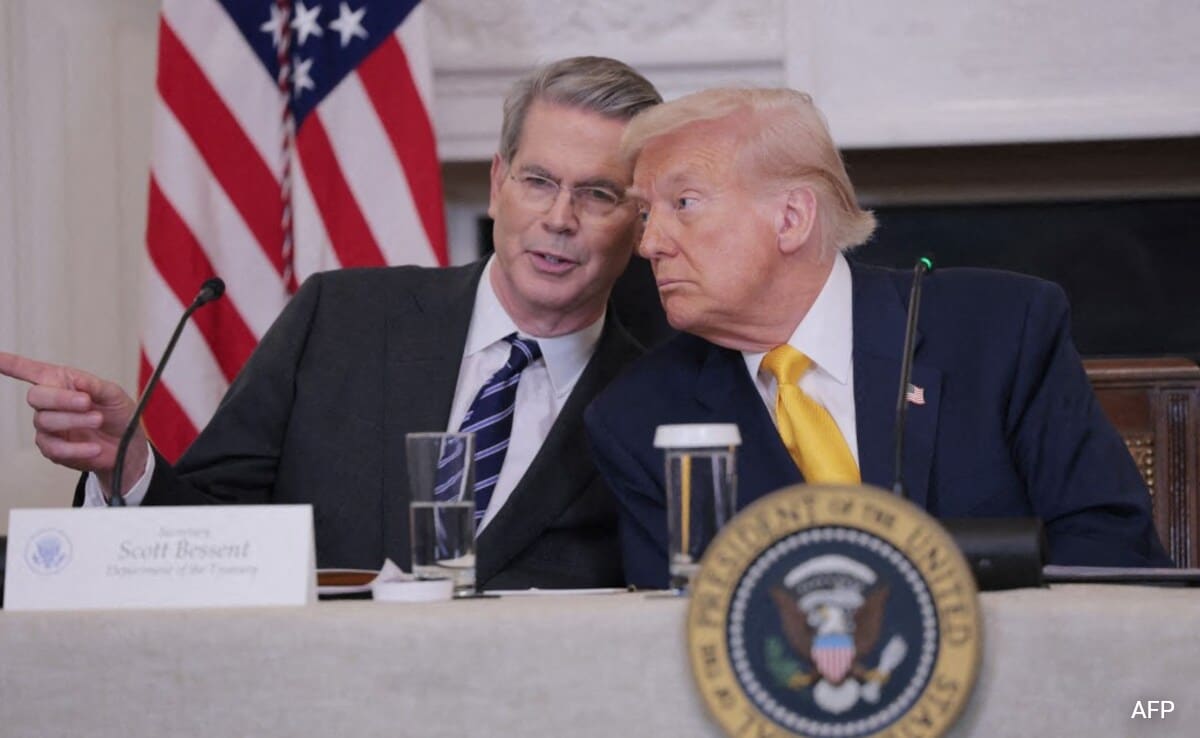
- US Treasury Secretary Scott Bessent announced a press conference for Monday to unveil 'the toughest sanctions in history' on Iran.
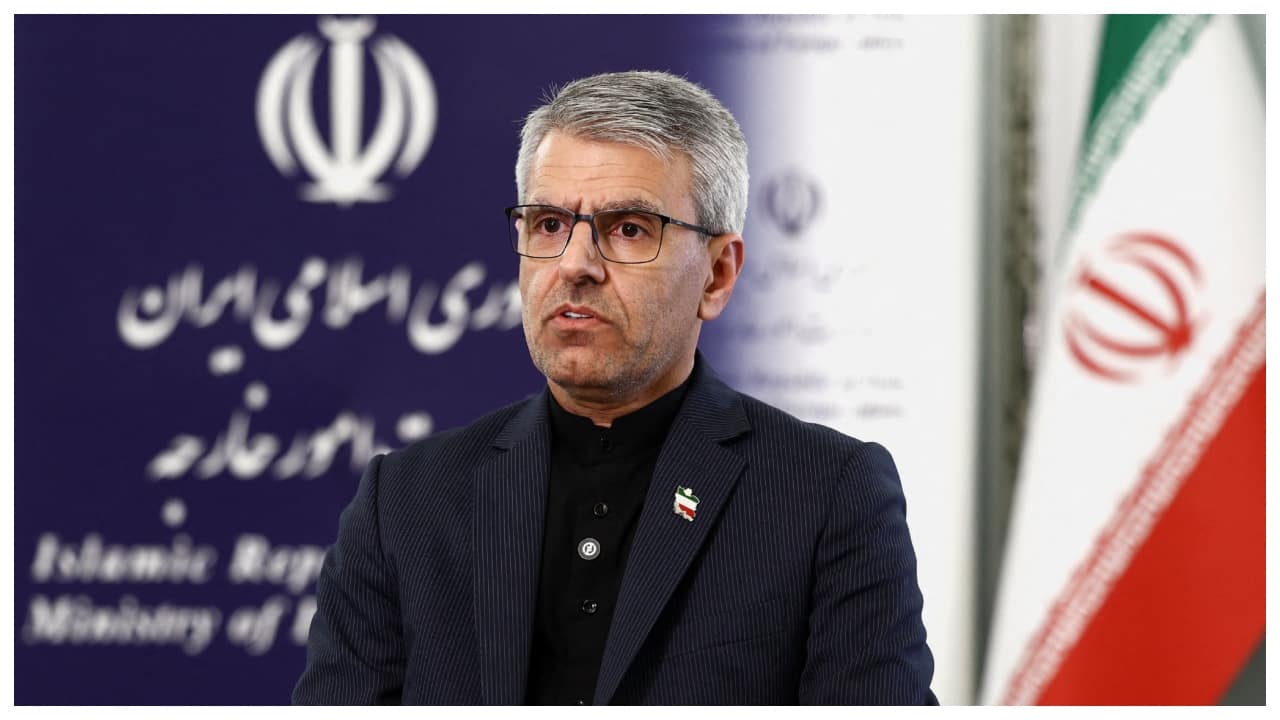
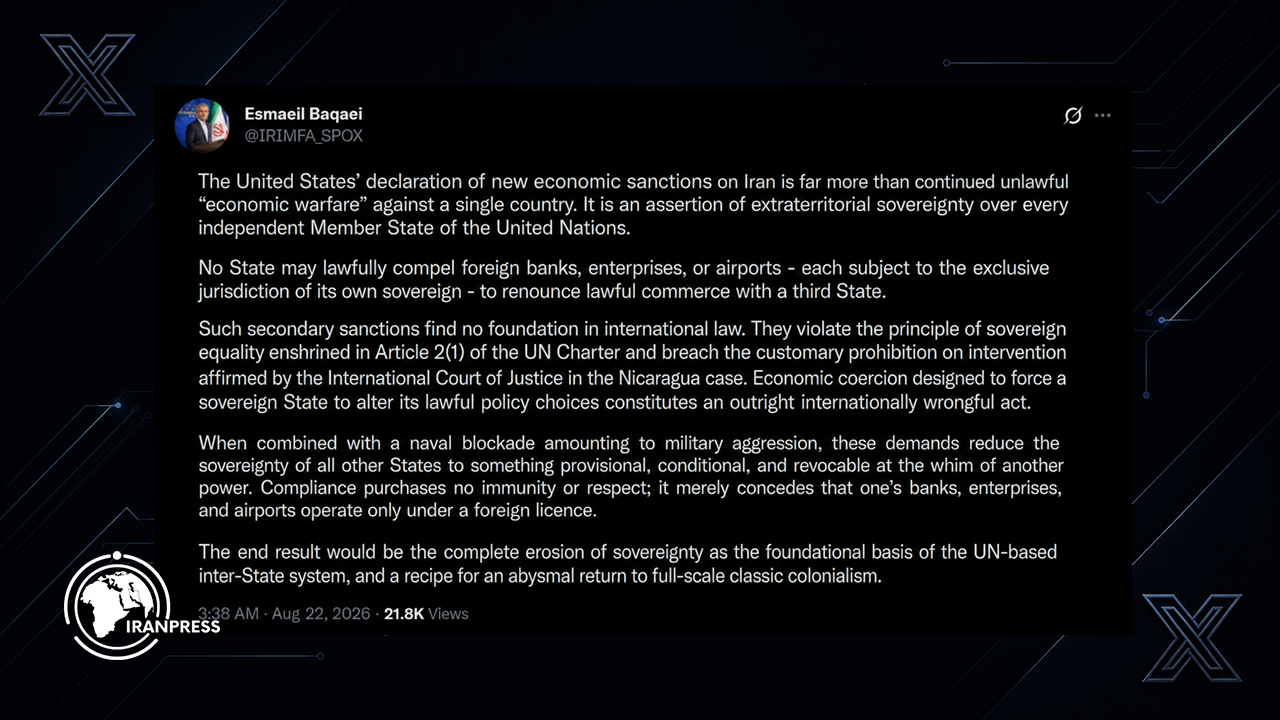
- Iran's Foreign Ministry spokesperson Esmaeil Baghaei stated that the upcoming US sanctions represent an 'assertion of extraterritorial sovereignty' over UN member states.
- Iranian Foreign Minister Abbas Araghchi claimed that the new sanctions were 'bound to fail'.
- Iran's chief of staff promised 'crushing, punishing and devastating responses' to any threats from enemies.
- Iran granted permission for several Iraqi oil tankers to pass through the Strait of Hormuz following requests from Baghdad.
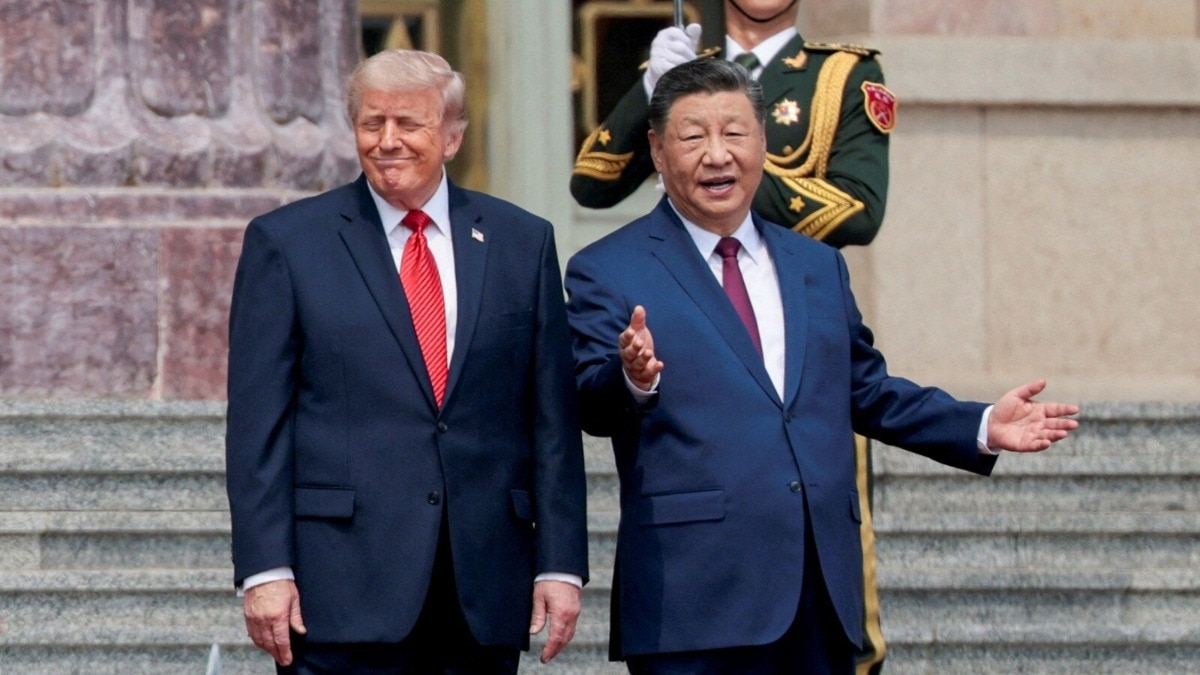
- China is a significant trading partner for Iran, buying more than 80% of its shipped oil.
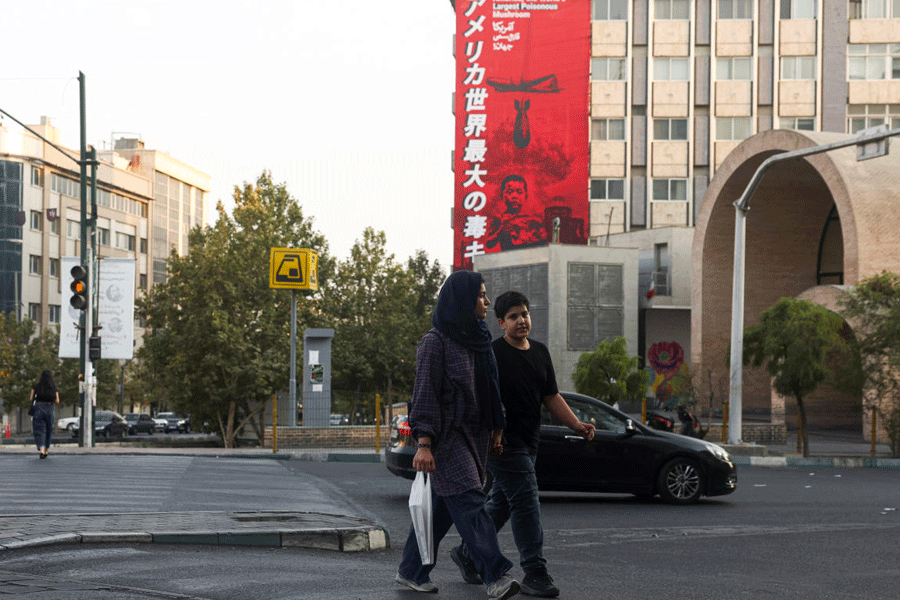
- US sanctions have been a long-standing issue for Iran, which has faced them for decades.
Iran has decried impending U.S. sanctions as a complete erosion of sovereignty, with Foreign Ministry spokesperson Esmaeil Baghaei stating they represent an "assertion of extraterritorial sovereignty" over UN member states.
U.S. Treasury Secretary Scott Bessent is expected to announce the "toughest sanctions in history" on Iran, pressuring China, which imports over 80% of Iran's oil, to comply with U.S. demands.7
President Donald Trump has warned of severe economic consequences for any nation aiding Iran, stating, "They would love to make a deal, but they're not ready to make the right deal, in my opinion."1
The U.S. has effectively blockaded Iranian vessels, with oil shipment traffic through the Strait of Hormuz virtually ceasing, as only four commodity ships sailed recently, none being large crude carriers.6

Baghaei emphasized that no state can compel foreign entities to cease commerce with Iran, warning that such actions could lead to a return to colonialism.
Iranian Foreign Minister Abbas Araghchi dismissed the sanctions as bound to fail, stating, "We have seen this movie before. Same bull. Different bullies."4
The U.S. military has been involved in moving an average of 8 million barrels of oil daily through the strait, a significant drop from over 20 million before the conflict, highlighting the economic impact of the sanctions.
“China buys more than 80% of Iran's shipped oil, per 2025 Kpler data, making it a key target of the new measures. Meanwhile, only four commodity ships sailed through the Strait of Hormuz on Thursday, with thousands of seafarers stranded on hundreds of vessels.”