
- Trump called off a planned strike on Iran one day before it was due after pressure from Qatar and Saudi Arabia, according to senior US officials.
- Iran's foreign minister announced that negotiations with Oman over the Strait of Hormuz are in their final stages, indicating a potential agreement on a new maritime route.
- Tehran insists that the vital waterway will never return to its pre-war status, as both countries work towards a mutually acceptable route.
- Baghaei stated that the understanding with Oman on a new route has nothing to do with whether the Strait of Hormuz remains open or closed.
Iran's foreign minister Abbas Araghchi stated that negotiations with Oman regarding the Strait of Hormuz are in their final stages, aiming to create a new maritime route that respects both nations' interests.
Esmail Baghaei, a spokesperson for Iran's Foreign Ministry, emphasized that this understanding is independent of whether the strait remains open or closed, attributing its closure to the U.S. breach of commitments and naval blockade.
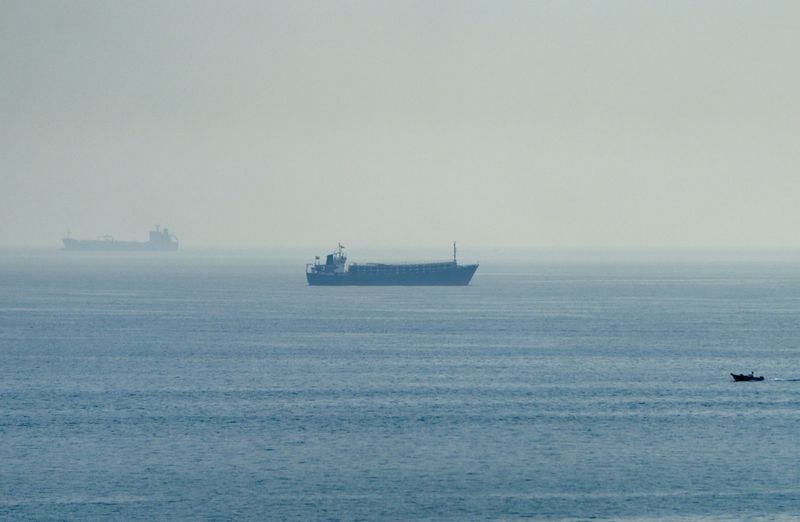
The Strait of Hormuz is crucial, facilitating about 20% of global oil shipments.
Concurrently, President Donald Trump has canceled a planned military strike on Iran, responding to diplomatic pressures from Qatar and Saudi Arabia. Reports indicate that Trump was urged to allow more time for negotiations, with the potential for a deal that includes reopening the strait and halting regional attacks.
Trump's proposal suggests a return to negotiations, aiming to resolve longstanding issues and potentially lifting the U.S. naval blockade on Iran, allowing it to export oil.
As tensions remain high, the Israeli military is on alert, anticipating possible Iranian responses despite the de-escalation efforts.
Baghaei reiterated that the negotiations with Oman are bilateral and do not involve other parties, highlighting Iran's commitment to securing its national interests amidst ongoing geopolitical challenges.
“Foreign Ministry spokesman Esmail Baghaei said a new maritime route would be separate from existing corridors and respect the sovereign rights of both sides. He blamed the US for the closure, citing its naval blockade and breach of commitments, and said the understanding is unrelated to whether the strait reopens.”





