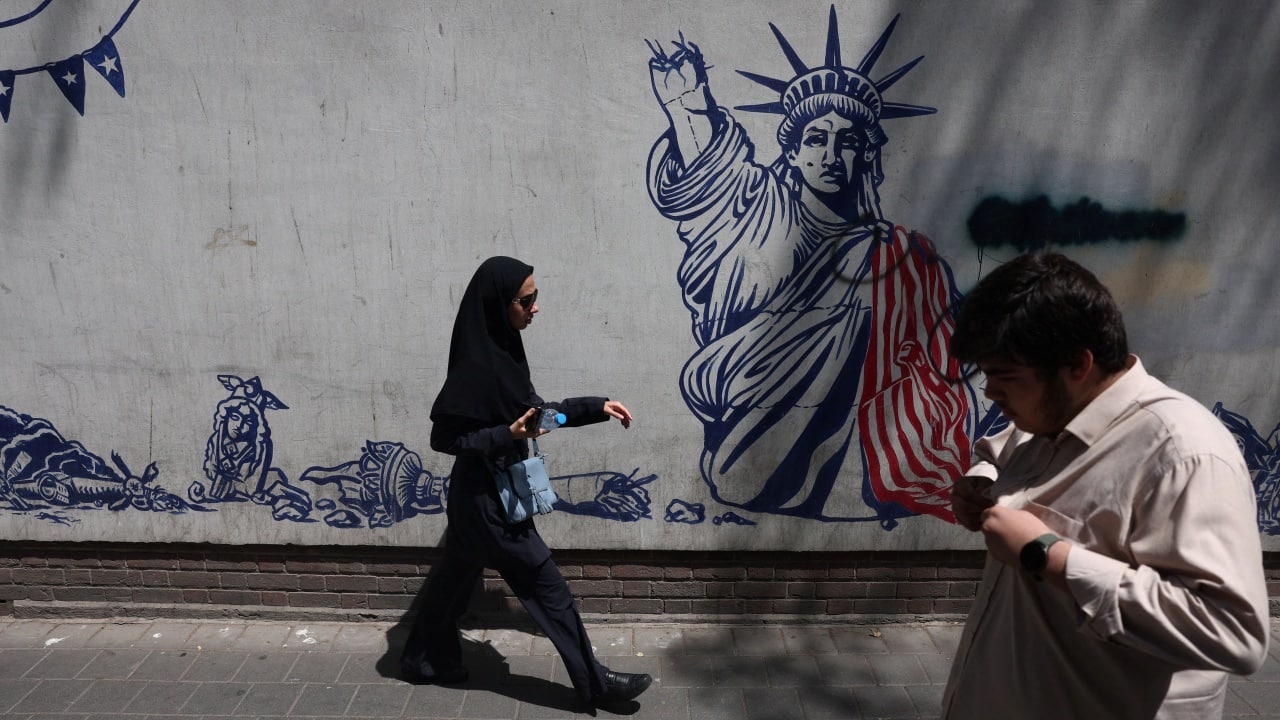
- Iran has signalled a major hardening of its position towards the United States, indicating that it does not expect to negotiate with President Donald Trump during his remaining time in office and will instead continue its current strategy until his term ends on January 20, 2029.
- Iran's Supreme National Security Council stated that the Strait of Hormuz will remain closed until the United States 'corrects its behaviour.'
- Iranian official Shakeri stated that Iran will not reach an agreement with Trump and will accompany him until his term ends.
- Iranian Foreign Ministry spokesperson Baghaei claimed that Iranians are 'professional chess players' and that the Strait of Hormuz will remain shut until the US pays up.
- Trump signalled he was prepared to let economic pressure mount against Iran, backing away from more military strikes after Tehran issued a list of demands for opening the Strait of Hormuz.
- Tehran's core demands have not changed, including $300 billion in compensation, the release of frozen Iranian assets abroad, and the withdrawal of US military forces from the region.
- Iran has been engaged in negotiations with Washington on ending the war launched by the US and Israel in late February, but a preliminary deal fell apart.
Iran has firmly stated it will not engage in negotiations with the United States under President Trump until his term concludes in January 2029. Iranian officials, including Foreign Ministry spokesperson Esmail Baghaei, have articulated a strategy of 'strategic patience' and have emphasized that the closure of the Strait of Hormuz will persist until the U.S. meets its demands.
According to Iranian officials, Tehran's core demands include $300 billion in compensation, the release of frozen Iranian assets abroad, and the withdrawal of U.S. military forces from the region. Shakeri stated, "Trump will not reach an agreement with us. We will accompany him until his term ends."6
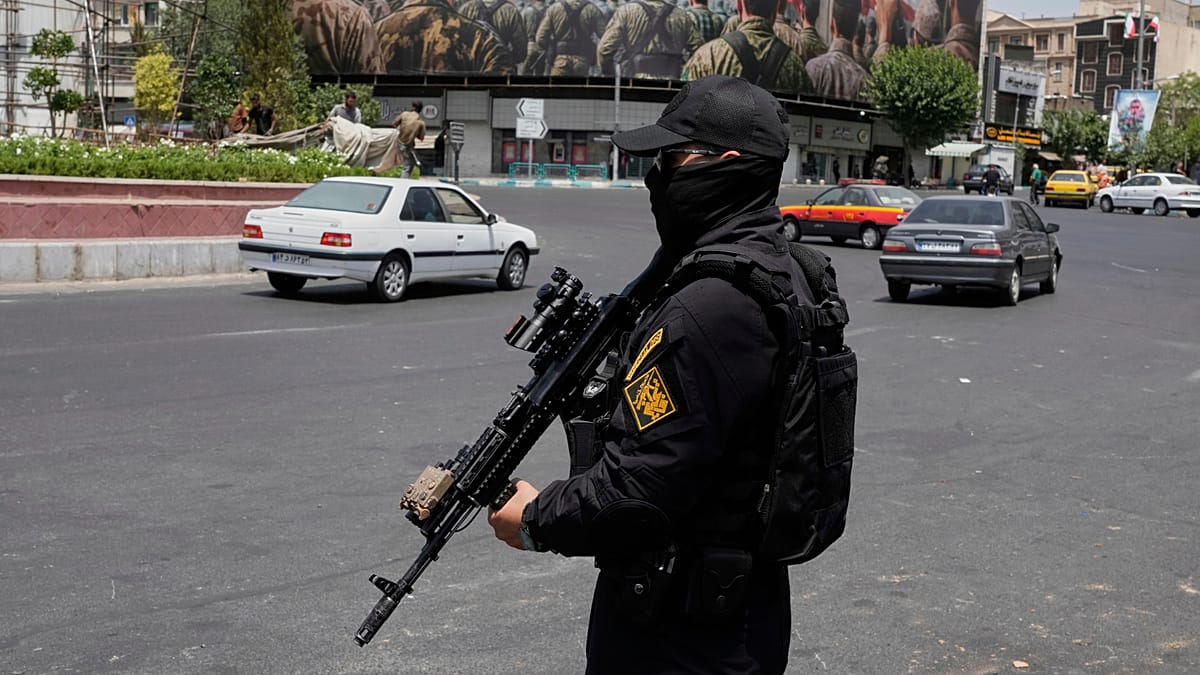
The Strait of Hormuz, a crucial waterway for global oil trade, has become a focal point of tension, with Iran declaring it a 'theatre of war.' Mohebi remarked, "Our current strategy is to maintain this strait until the enemy accepts all our conditions." The Iranian Supreme National Security Council has reiterated that the strait will remain closed until the U.S. "corrects its behaviour."
The impasse has significant implications for global energy prices and U.S. politics, especially with the upcoming midterm elections. Trump has indicated a willingness to let economic pressure mount against Iran, suggesting a long-term strategy akin to a chess game, stating, "It will work out. It always works out. It's like a chess game."
“Tehran's core demands include $300 billion in compensation, release of frozen assets, and withdrawal of US forces from the region. The impasse has kept energy prices a major focus ahead of November's midterm elections, with Iran holding separate talks with Oman on a possible temporary shipping corridor.”


 Euronews.com



