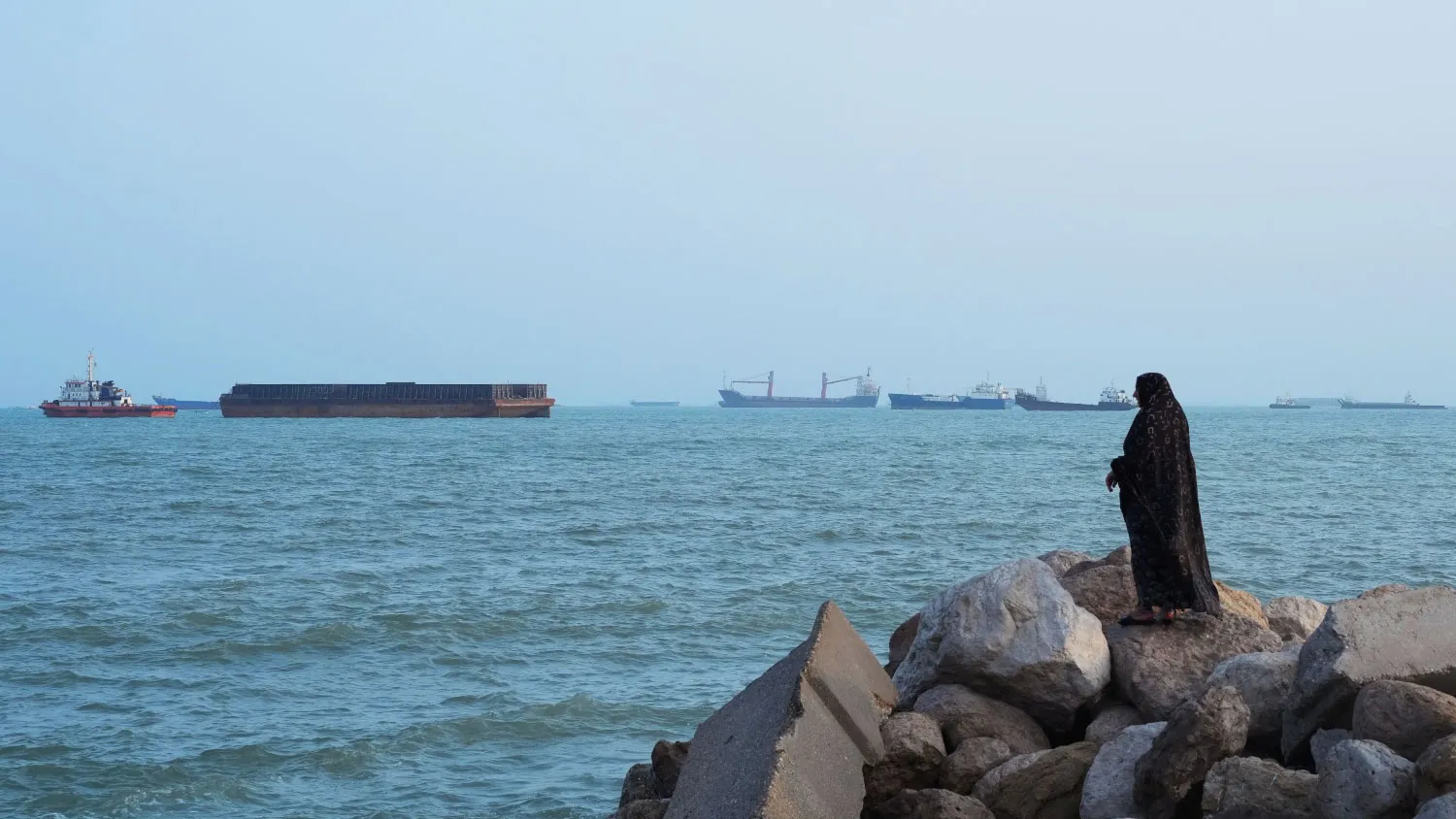
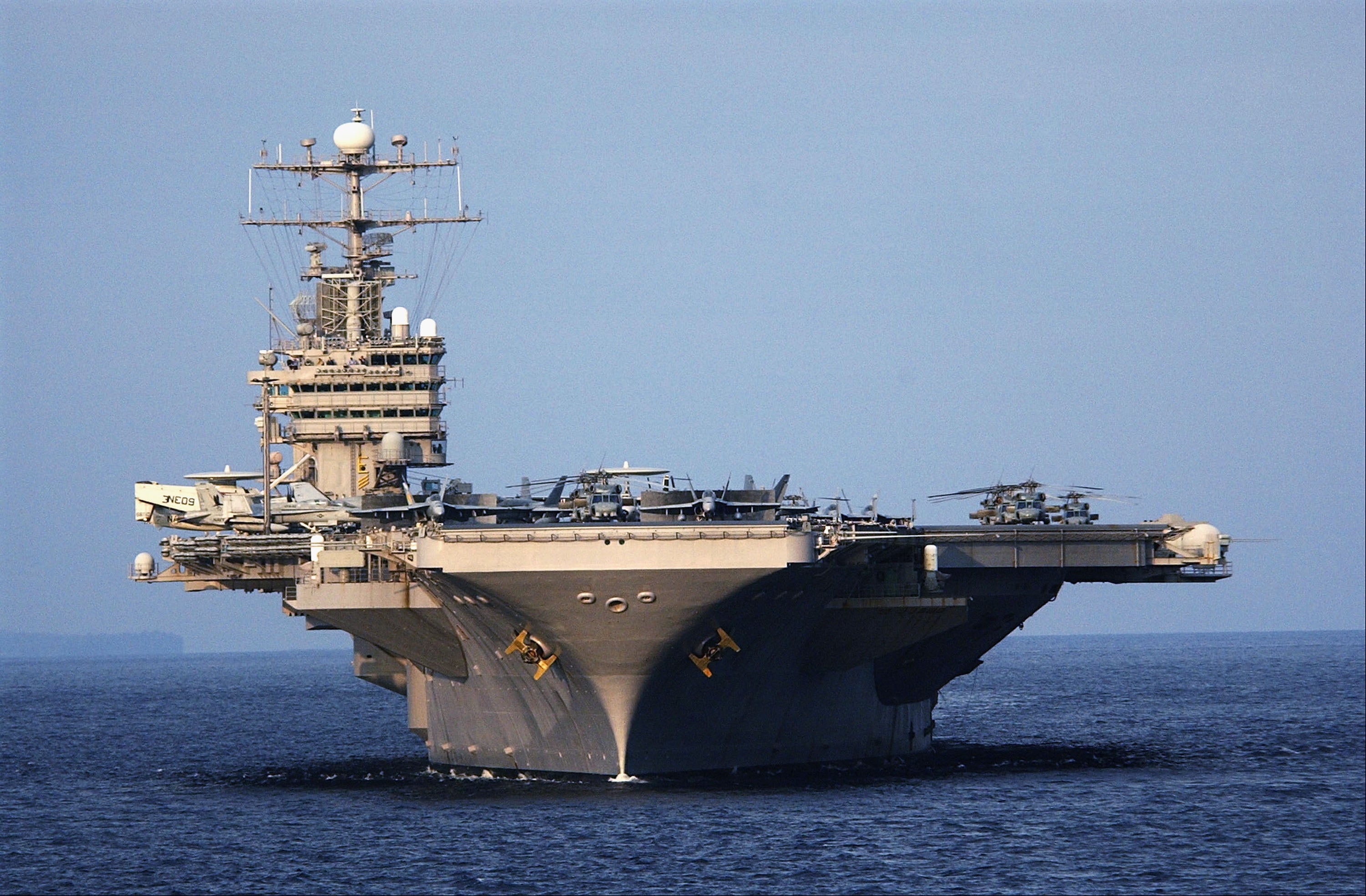
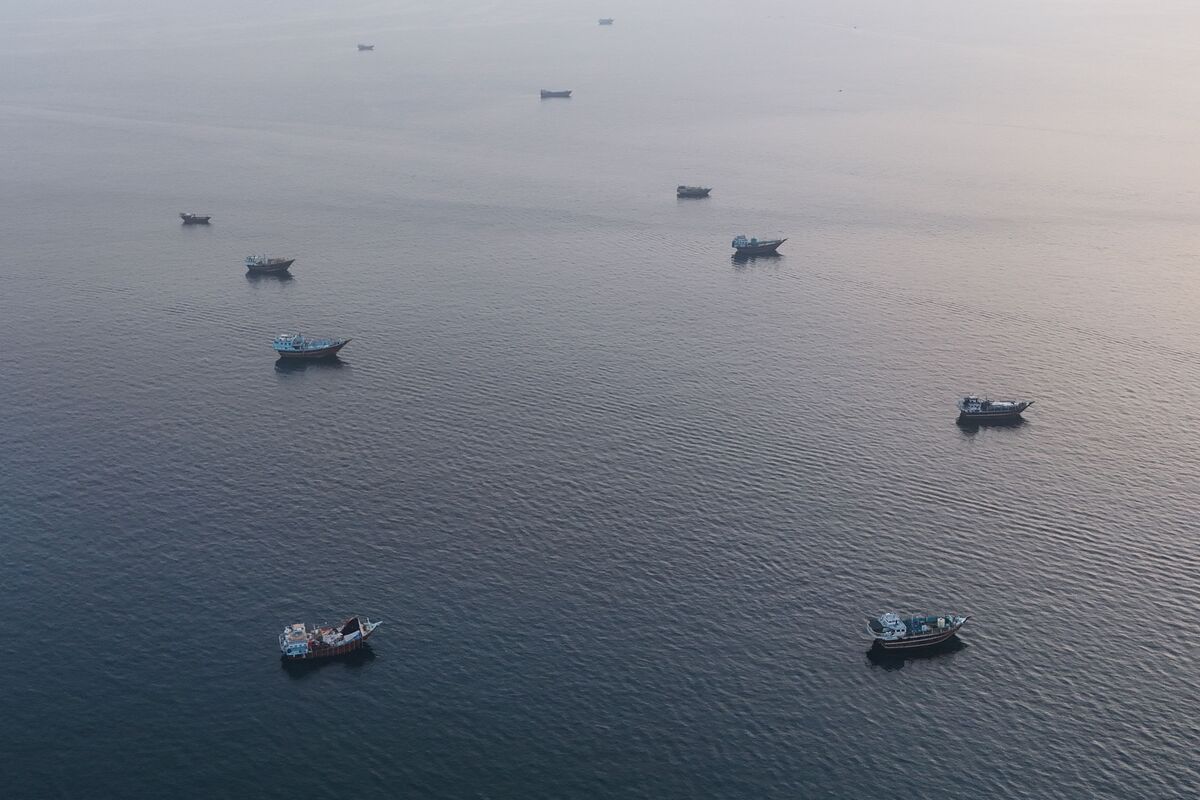
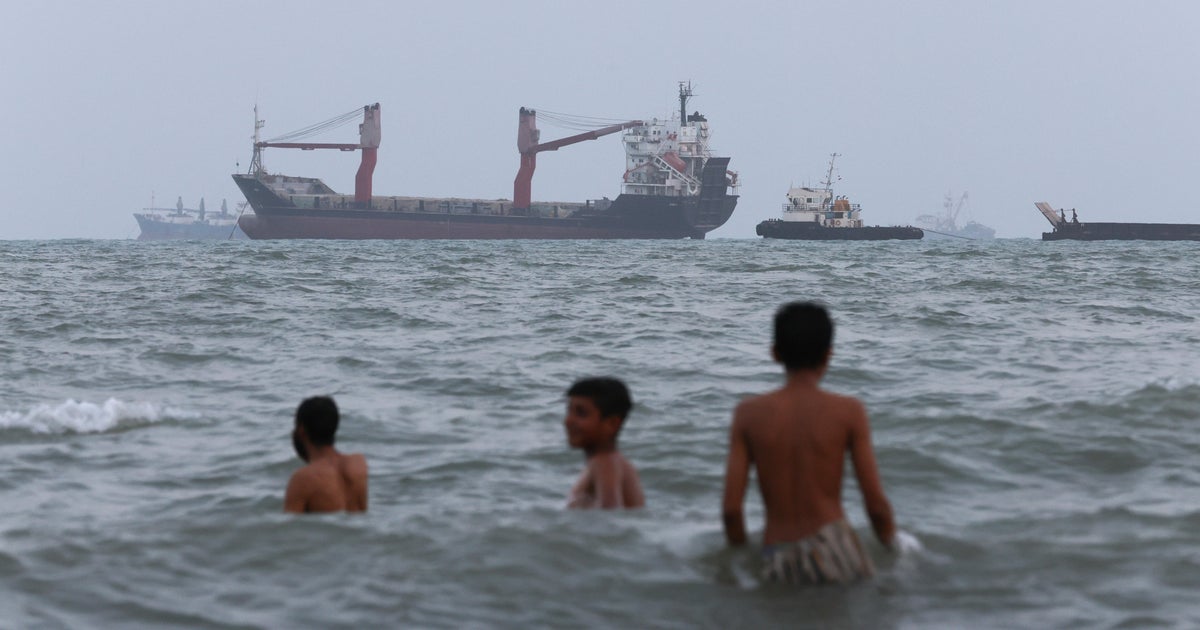
- Iran's Revolutionary Guards said on Wednesday that Iran and Oman had agreed in principle on administering traffic in the strait and sharing revenues. Meanwhile, U.S. military commanders say American forces have cleared sea mines from the strait that had been laid months ago by Iran's Islamic Revolutionary Guard Corps. "Bottom line: today, international shipping lanes are open and momentum is building," Admiral Brad Cooper, commander of the U.S. military's Central Command, said in a video message posted on social media.
- Qatari Prime Minister and Foreign Minister Sheikh Mohammed bin Abdulrahman Al Thani met senior Iranian leaders in Tehran on Thursday, stressing the importance of freedom of navigation in the Strait of Hormuz in accordance with international law.
- Mohsen Rezaei, secretary of Iran's Supreme National Security Council, said Iran was preparing a list of conditions for reopening the strait after mediators asked Tehran to set them out. He also mentioned that Iran had agreed with Oman on a shipping corridor through the strait.
- Before the war, the Strait of Hormuz was the conduit for 20% of the world's oil supply.
Iran is preparing conditions to reopen the Strait of Hormuz as Qatari Prime Minister Sheikh Mohammed bin Abdulrahman Al Thani presses Tehran on freedom of navigation. This follows a ceasefire agreement that previously allowed for the transit of 20% of the world's oil supply through the strait.4
After the U.S. disengaged from negotiations, Qatar's diplomatic efforts have intensified. Al Thani emphasized the need to respect international law regarding navigation during his visit to Tehran. Mohsen Rezaei, secretary of Iran's Supreme National Security Council, confirmed that Iran is drafting a list of conditions for reopening the strait.56
In a recent interview, Rezaei stated that Iran has reached an agreement with Oman on a shipping corridor, which would involve designated channels in both Iranian and Omani waters. He noted that the U.S. must meet Iran's conditions for this corridor to be operational.
Historically, Iran's conditions have included lifting the U.S. blockade on its ports and removing sanctions. The June memorandum of understanding aimed to establish a ceasefire and facilitate negotiations, but it quickly fell apart due to differing interpretations of Iran's authority over shipping arrangements.
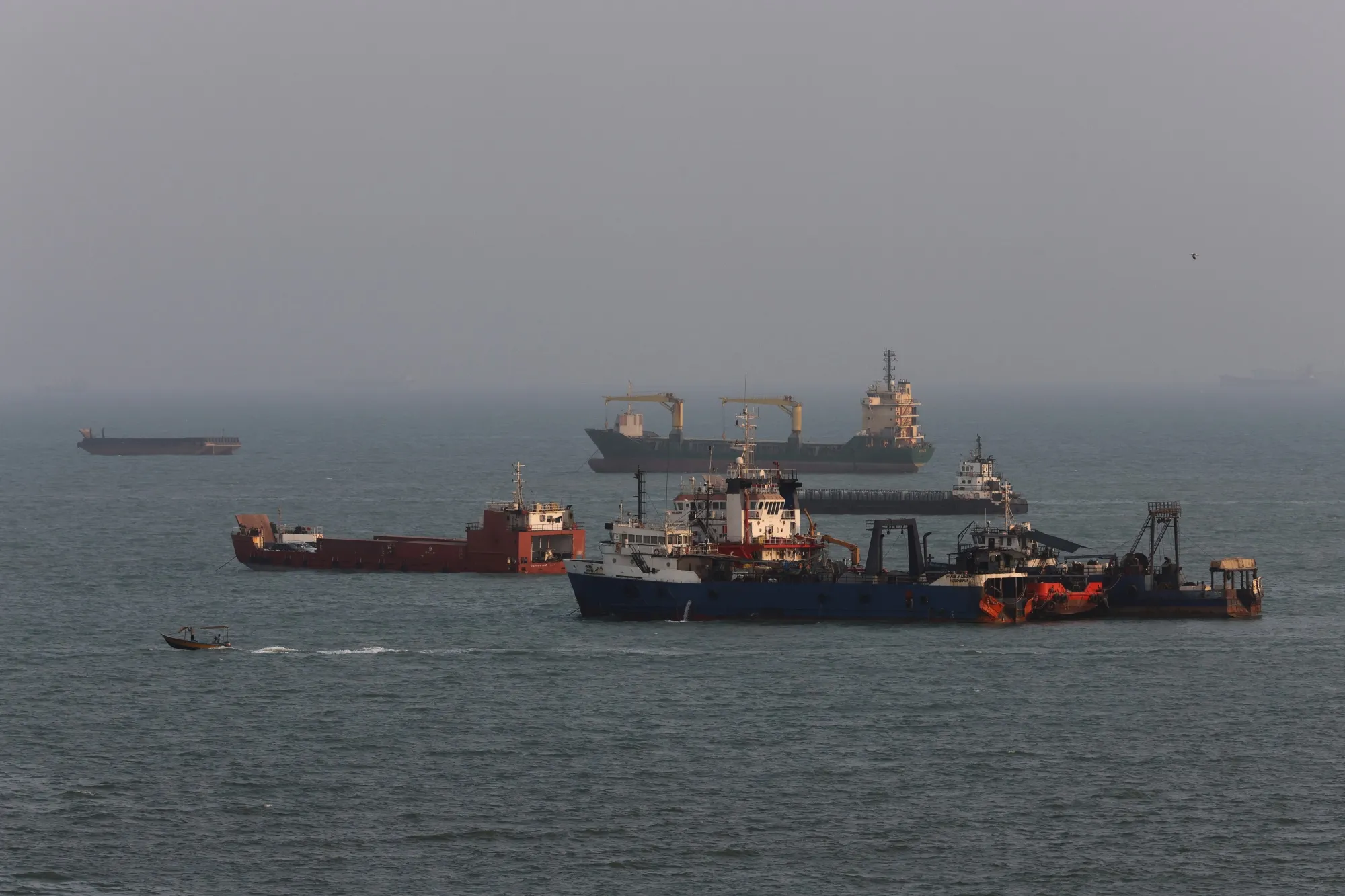
Despite U.S. military claims of cleared sea mines and open shipping lanes, many vessels remain hesitant to transit the strait due to Iranian threats. Admiral Brad Cooper of the U.S. Central Command reported that American forces have assisted 1,500 commercial vessels in recent months, but ship tracking services indicate that activity is only at 5% to 15% of normal levels. The U.N. has documented 70 incidents in the strait since the war began, resulting in 19 fatalities among seafarers.123
“Qatar and Pakistan brokered a June memorandum that led to a ceasefire and set shipping terms for the strait, which before the war carried 20% of the world's oil. U.S. forces have cleared mines and helped 1,500 vessels transit, with Admiral Brad Cooper saying lanes are open and momentum is building.”