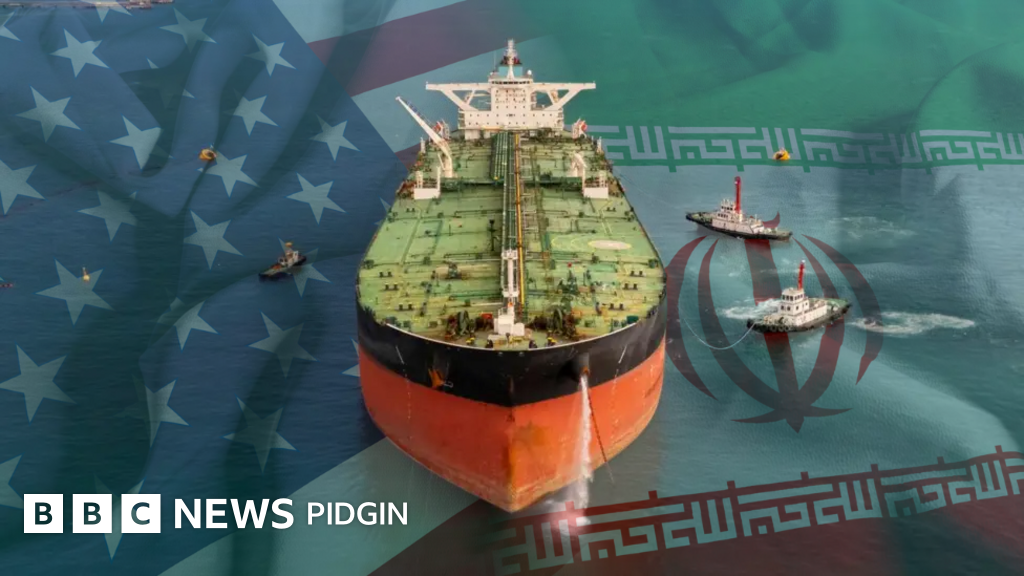
- Iran has publicly dropped a list of six demands that the US must meet before agreeing to open the waterway, with some demands going beyond the June US-Iran Memorandum of Understanding (MoU).
- Negotiations between Iran and Oman over a new arrangement for managing traffic through the Strait of Hormuz are described as "positive" and at an advanced stage, raising hope that shipping traffic could resume.
- The first condition demands that the US never threaten Iran with any language or insult the sanctities of the nation, and must stop threatening the country and assure that such threats will not happen again.
- The second condition insists on ending the war and aggression against Iran and its allies in Lebanon, Palestine, Yemen, and Iraq forever, with the June MoU mentioning "All fronts wey include Lebanon".
- The third condition demands lifting the naval blockade and removing US naval and air forces from around Iran, which was supposed to end within 30 days under the June MoU but was not directly linked to the reopening of the Strait.
- The fourth condition requires full compensation for damage caused to Iran in two wars of aggression—the 12-day war in 2025 and the most recent war—now publicly linked to the reopening of the Strait.
- The fifth and sixth conditions demand lifting the 'cruel and illegal' sanctions and unconditionally releasing frozen and stolen assets of the Iranian people, both previously discussed but now linked to the reopening of the Strait.
Iran has set six conditions for reopening the Strait of Hormuz, emphasizing the need for the U.S. to cease threats and lift sanctions. Negotiations with Oman are described as positive and advanced, focusing on a new traffic management arrangement.
The demands include:
1. Cease threats against Iran. Iran insists the U.S. must stop threatening the nation and provide guarantees against future threats.
2. End military aggression. Iran demands an end to military actions against itself and its allies in Lebanon, Palestine, Yemen, and Iraq.
3. Lift the naval blockade. The U.S. is expected to end its blockade within 30 days as per the June MoU, although this is not directly linked to the Strait's reopening.
4. Compensation for damages. Iran seeks full compensation for damages from past conflicts, linking this to the reopening of the Strait.
5. Lift sanctions. Iran demands the removal of what it calls 'cruel and illegal' sanctions, linking this to the negotiations.
6. Release frozen assets. Iran calls for the unconditional release of its frozen and stolen assets, a long-standing demand.
These conditions reflect Iran's strategic interests and the complexities of U.S.-Iran relations, as both sides navigate the geopolitical landscape surrounding the Strait of Hormuz.
“Iran's conditions include ending wars against allies in Lebanon, Palestine, Yemen, and Iraq, lifting the naval blockade, and paying compensation for two wars of aggression. Former security official Mohammad Bagher Zolghadr warned the US must 'correct' its behavior and meet the demands.”


 BBC
BBC



