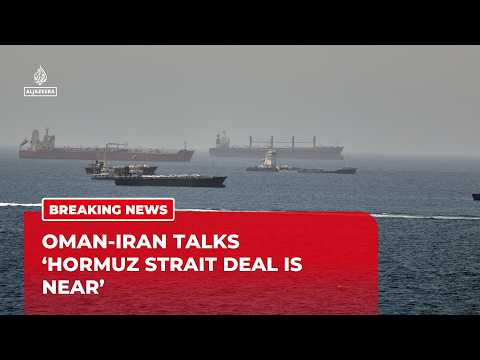
- Negotiations between Iran and Oman on reopening the Strait of Hormuz have continued for more than three weeks.
- Iranian Deputy Foreign Minister Kazem Gharibabadi said Iran and Oman are close to finalizing a proposed framework for commercial shipping through the Strait of Hormuz, but the agreement would not automatically reopen the waterway.
- Iran has denied any talks with the US, saying its talks with Oman are strictly bilateral.
- A senior Gulf official said there is a 50-50 chance that Iran and Oman will reach a deal on the Strait of Hormuz by Friday.
- The ongoing talks between Iran and Oman are critically important because they could lead to the full reopening of the world's most critical energy chokepoint.
- Gharibabadi said negotiations have produced broad agreement on proposed inbound and outbound shipping routes, covering technical arrangements, security and sovereignty, and a proposed joint coordination center to manage maritime traffic and collect information from vessels.
- US Vice President JD Vance said during a Fox News interview that deal talks with Iran would be messy and that the Iranians are extraordinarily difficult people with a fractured system.
- Vance added: Our job is to navigate through that and get the best outcome for the American people, but for the president of the United States as well.
- He also said, But we’re kind of in the middle of the game, and I think people are trying to prejudge exactly how this is going to go.
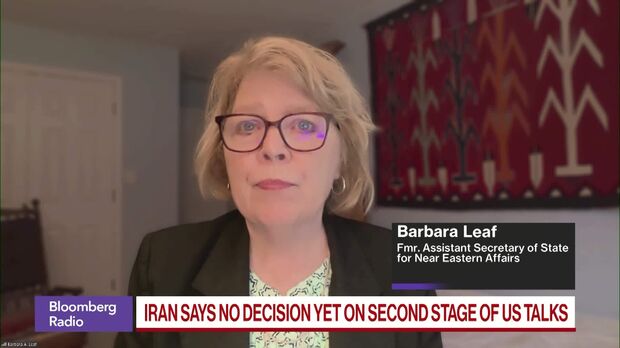
- Gharibabadi said Iran has not yet decided whether to proceed toward the implementation of the previously signed US-Iran memorandum of understanding.
Iran and Oman are nearing a deal on the Strait of Hormuz, with a senior Gulf official estimating a "50-50" chance of agreement by Friday.12345
Iranian Deputy Foreign Minister Kazem Gharibabadi confirmed that negotiations have been ongoing for over three weeks, resulting in broad agreement on shipping routes.610
The talks are crucial as they could potentially lead to the reopening of the world's most vital energy chokepoint. Gharibabadi noted that discussions have included technical arrangements, security, and the establishment of a joint coordination center for maritime traffic.
Meanwhile, Iran has firmly denied any discussions with the U.S., emphasizing that its negotiations with Oman are strictly bilateral.
U.S. Vice President JD Vance commented on the situation, stating that any peace negotiations with Iran would likely be "messy" and take considerable time. He described the Iranians as "extraordinarily difficult people" with a "fractured system."7
Vance's remarks highlight the complexities surrounding U.S.-Iran relations, especially as Iran weighs its options regarding a previously signed memorandum of understanding with the U.S.
As the situation develops, the focus remains on the potential implications of the Iran-Oman deal for global energy security.
“Iranian Deputy Foreign Minister Kazem Gharibabadi said negotiations have continued for more than three weeks, yielding broad agreement on shipping routes and a proposed joint coordination center. However, the framework would not automatically reopen the waterway, and Iran has not decided on implementing the US-Iran memorandum of understanding.”