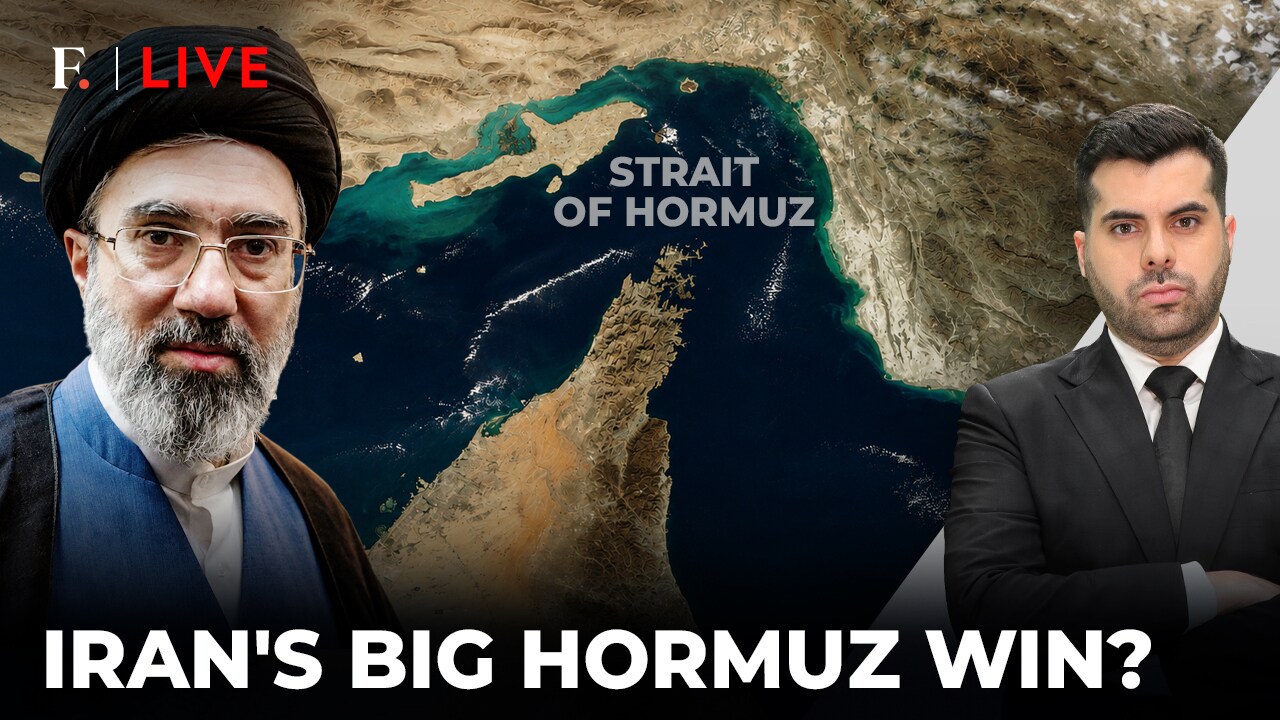
- The Strait of Hormuz may be close to reopening, but the toughest negotiations are only just beginning.
- Reports suggest the proposed arrangement would give Tehran greater control over inbound shipping, while Oman would oversee outbound traffic.
- Key disagreements remain over transit fees, US sanctions and access to Iranian ports.
- President Donald Trump says diplomacy is moving forward but has warned of military action if talks fail.
- Iran has threatened retaliation against Gulf energy infrastructure if the United States launches fresh strikes.
- Iran mocks US diplomacy as 'theatre' amid Hormuz talks.
The Strait of Hormuz may be close to reopening, but the toughest negotiations are only just beginning. Iran claims a deal with Oman is imminent, potentially easing tensions in the US-Iran conflict.1256
The proposed arrangement would grant Tehran control over inbound shipping, while Oman would manage outbound traffic.
However, significant disagreements persist regarding transit fees, US sanctions, and access to Iranian ports.3
President Donald Trump has acknowledged progress in diplomacy but cautioned that military action could follow if negotiations fail.4
Meanwhile, Iran has threatened to retaliate against Gulf energy infrastructure should the United States initiate further strikes, indicating that the situation remains volatile.
As the talks progress, the international community watches closely, aware that the Strait of Hormuz is a critical chokepoint for global oil shipments.
The outcome of these negotiations could have far-reaching implications for regional stability and global energy markets.
“The proposed arrangement would give Tehran greater control over inbound shipping while Oman oversees outbound traffic, but disagreements persist over transit fees, US sanctions, and port access. Iran has threatened retaliation against Gulf energy infrastructure if the US launches fresh strikes.”

 Firstpost



