- Iran has reportedly rejected proposals for an alternative shipping route through the Strait of Hormuz and laid down three preconditions for resuming negotiations with the United States, even as Washington has paused military strikes and diplomatic efforts gather pace.
- Iran wants any future negotiations with the US to proceed in a specific sequence: first, discussions on the status of the Strait of Hormuz to reaffirm that it remains under Iran's full control; second, the release of frozen Iranian assets; and only then will it discuss its nuclear programme.
- Iran has also rejected any proposal to create a new maritime corridor or alternative route bypassing the Strait of Hormuz.
- The United States has paused military strikes on Iran, raising hopes of a temporary de-escalation.
- The Islamic Revolutionary Guard Corps (IRGC) claimed full control over navigation in the Strait of Hormuz, stating it hit a ship trying to pass through an alternate route and stopped six vessels.
- Iranian Foreign Minister Abbas Araghchi accused the United States of violating the memorandum of understanding concerning the Strait of Hormuz.
- Iran has informed Pakistan that it is ready to continue negotiations in Geneva, Doha, or Islamabad.
- Two days of talks between Oman and Iran on reopening shipping routes around the Strait of Hormuz have shown signs of progress.
Iran has laid down three conditions for future negotiations with the United States, emphasizing its control over the Strait of Hormuz. The first condition is that discussions must start with the waterway's status, reaffirming Iran's authority.
Next, Iran demands the release of frozen assets before addressing its nuclear program.
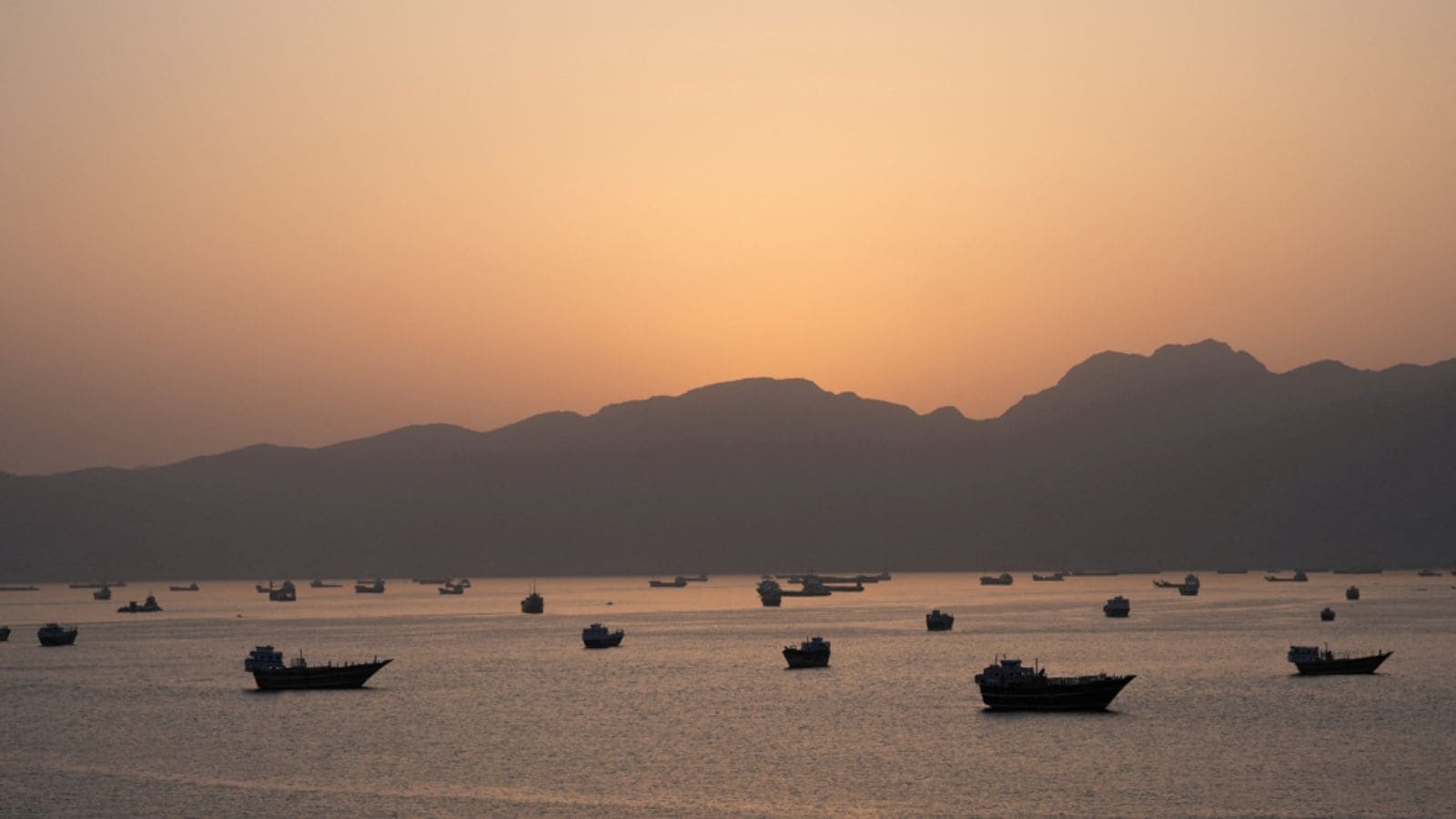
Tehran has firmly rejected any proposals for alternative shipping routes, insisting that the Strait remains under its control. The Islamic Revolutionary Guard Corps (IRGC) stated, “without Iran’s permission, not even a bird can cross”356
Meanwhile, the U.S. has paused military strikes, creating a window for diplomatic efforts, with Oman mediating talks aimed at easing tensions.
Reports indicate that discussions between Iranian and Omani officials have shown progress, with Iran open to negotiations in Geneva, Doha, or Islamabad.
Iranian Foreign Minister Abbas Araghchi accused the U.S. of violating agreements regarding the Strait, asserting that “they insisted on creating other routes alongside the one Iran had designated”.7
The situation remains tense, as the IRGC has claimed to have stopped six vessels in the Strait, reinforcing Iran's control over navigation.
As diplomatic efforts continue, the focus remains on Iran's conditions and the potential for renewed negotiations.
“According to Al Arabiya, Iran's three conditions are sequenced: first reaffirm Iran's control over the Strait of Hormuz, then release frozen assets, and only afterward discuss its nuclear programme. Separately, the IRGC said it hit one ship trying an alternate route and stopped six others, asserting full control over navigation.”
 Firstpost
 News18



