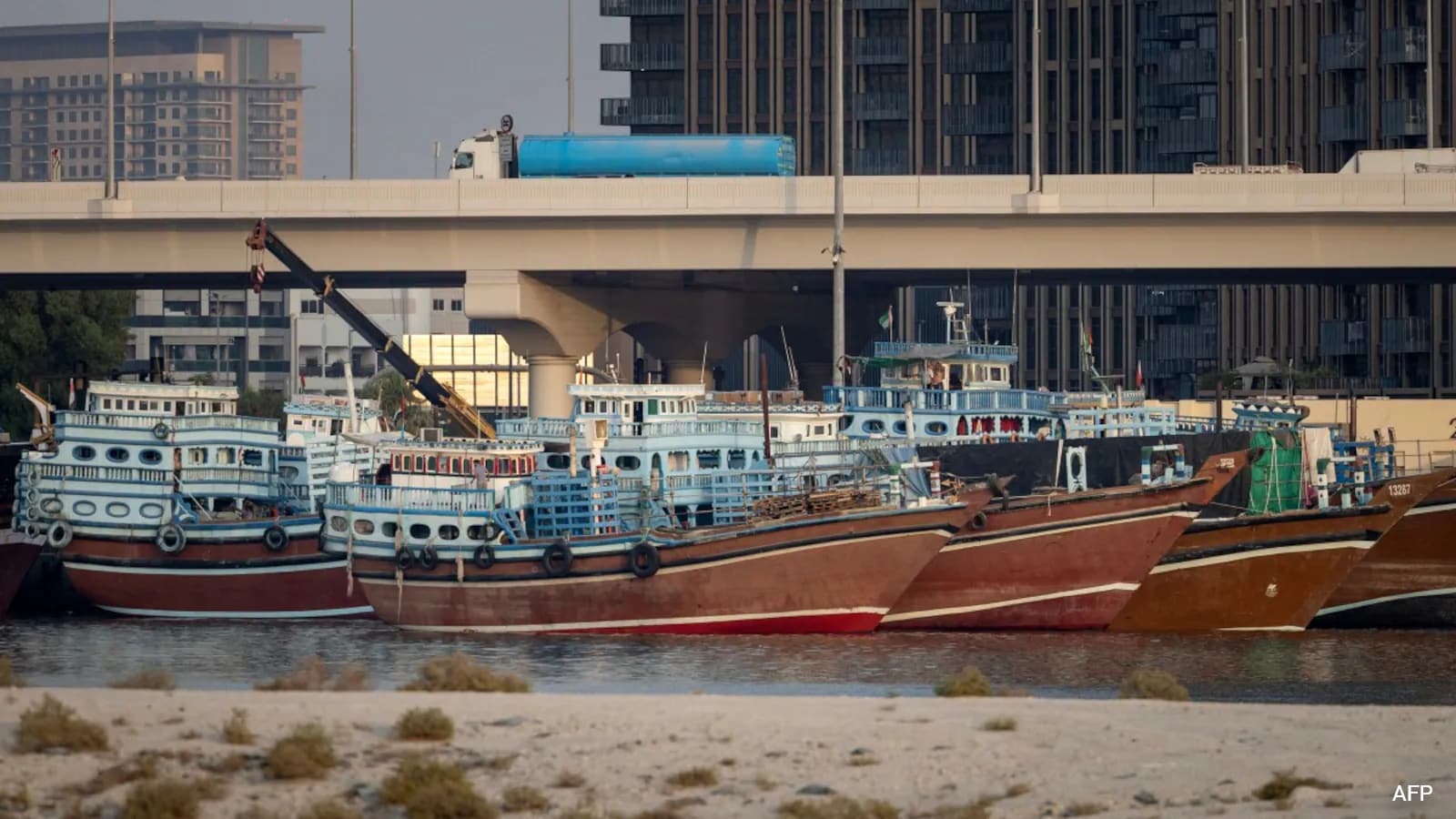
- President Donald Trump said Wednesday the Strait of Hormuz was open and the US blockade of Iran had been 100% successful, as media reports indicated Tehran had lost significant control over traffic through the waterway.
- The US military is operating a shipping corridor along the Omani side of the strait that is helping move about 10 million barrels of oil a day, according to Axios, citing two US officials.
- US Central Command said Wednesday that US forces had redirected 65 commercial vessels, disabled three and boarded two as part of enforcement of the blockade against Iran.
- Trump indicated that the United States was weighing additional sanctions on Iran, stating, “We have things that we could sanction. We have very draconian sanctions, and we’ll see what happens.”
- Trump argued that Hormuz could become less important to global energy markets as countries turn to alternative oil supplies and new pipelines, mentioning places like Texas, Alaska, Louisiana, and others.
- The continued attacks leave control of the strait contested even as recent shipping patterns indicate Tehran has less ability to dictate traffic than it did earlier in the war.
- More than 80% of liquid cargo transits through the strait over the past two weeks either used the Omani route or traveled with transponders switched off and likely followed that path, CNN reported, citing Kpler.
- A US official with direct knowledge of the operation stated, “We have been controlling the southern lane of the Strait of Hormuz for two months now. The Islamic Revolutionary Guard Corps can be a nuisance, but they don't control the strait. We do,” according to Axios.
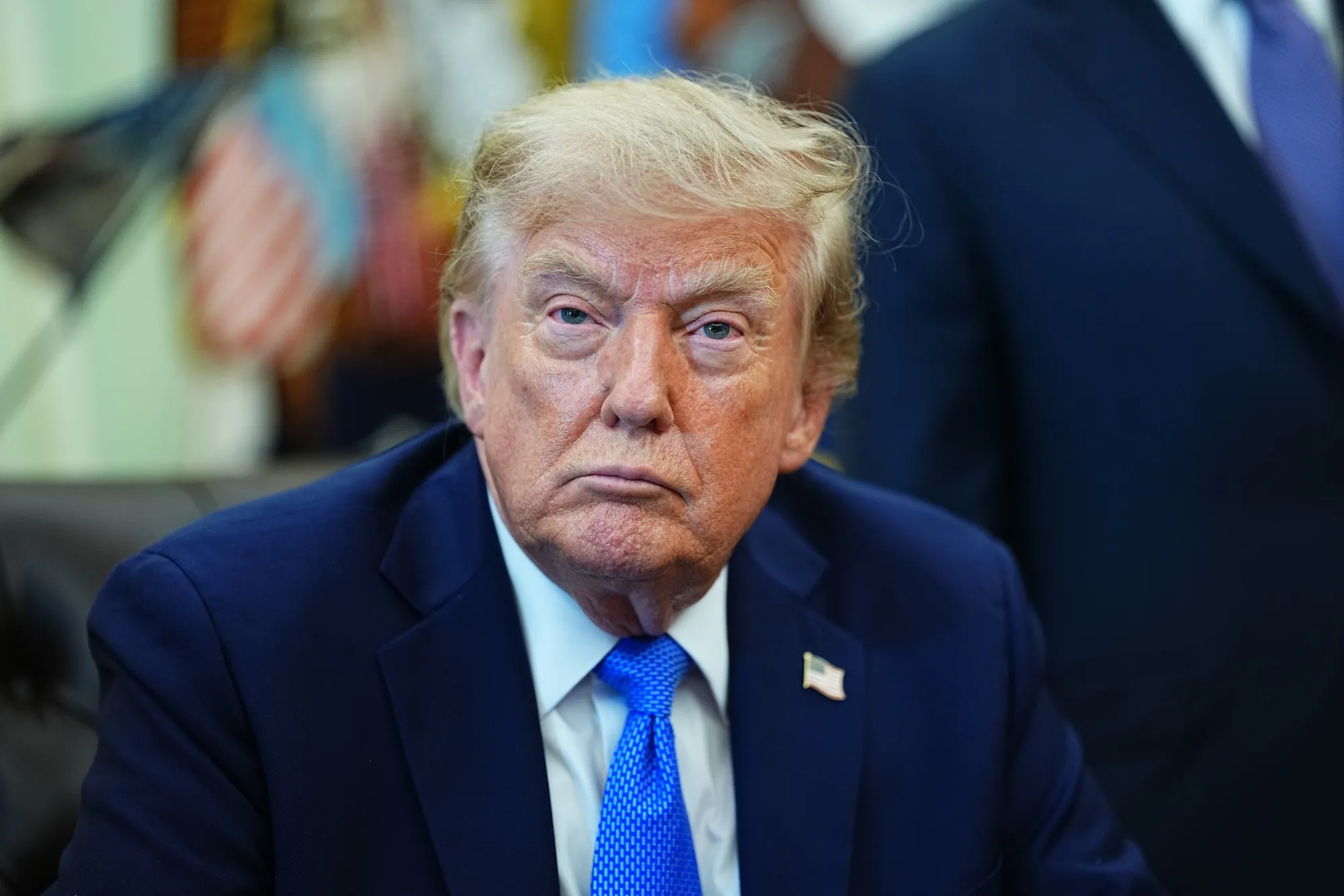
President Donald Trump asserted that the Strait of Hormuz is currently open, emphasizing the effectiveness of the US blockade against Iran, which he claimed is '100% successful.'1
"Right now, the Strait is open. A lot of boats are coming through," Trump stated at the White House.
Recent reports indicate that over 80% of liquid cargo has shifted to alternative routes, particularly the Omani route, which has significantly diminished Iran's control over maritime traffic and its ability to collect tolls.7
According to Kpler, a maritime tracking service, this shift has been evident over the past two weeks, as vessels have opted for routes that bypass Iranian oversight.
The US military has been actively managing a shipping corridor along the Omani side of the strait, facilitating the movement of approximately 10 million barrels of oil daily.2
A US official noted, "We have been controlling the southern lane of the Strait of Hormuz for two months now. The Islamic Revolutionary Guard Corps can be a nuisance, but they don't control the strait. We do," highlighting the US's operational dominance in the region.
Trump also mentioned that the US is considering additional sanctions against Iran, stating, "We have very draconian sanctions, and we’ll see what happens." He suggested that the importance of Hormuz to global energy markets may decline as countries explore alternative oil sources, including those from Texas and Alaska.
Despite these developments, the ongoing attacks in the region indicate that control of the strait remains contested, with Tehran's influence waning compared to earlier in the conflict.
“The US military is operating a shipping corridor along the Omani side of the strait, moving about 10 million barrels of oil a day, according to Axios. Additionally, more than 80% of liquid cargo has recently used the Omani route or traveled with transponders switched off, reducing Iran's toll collection ability.”