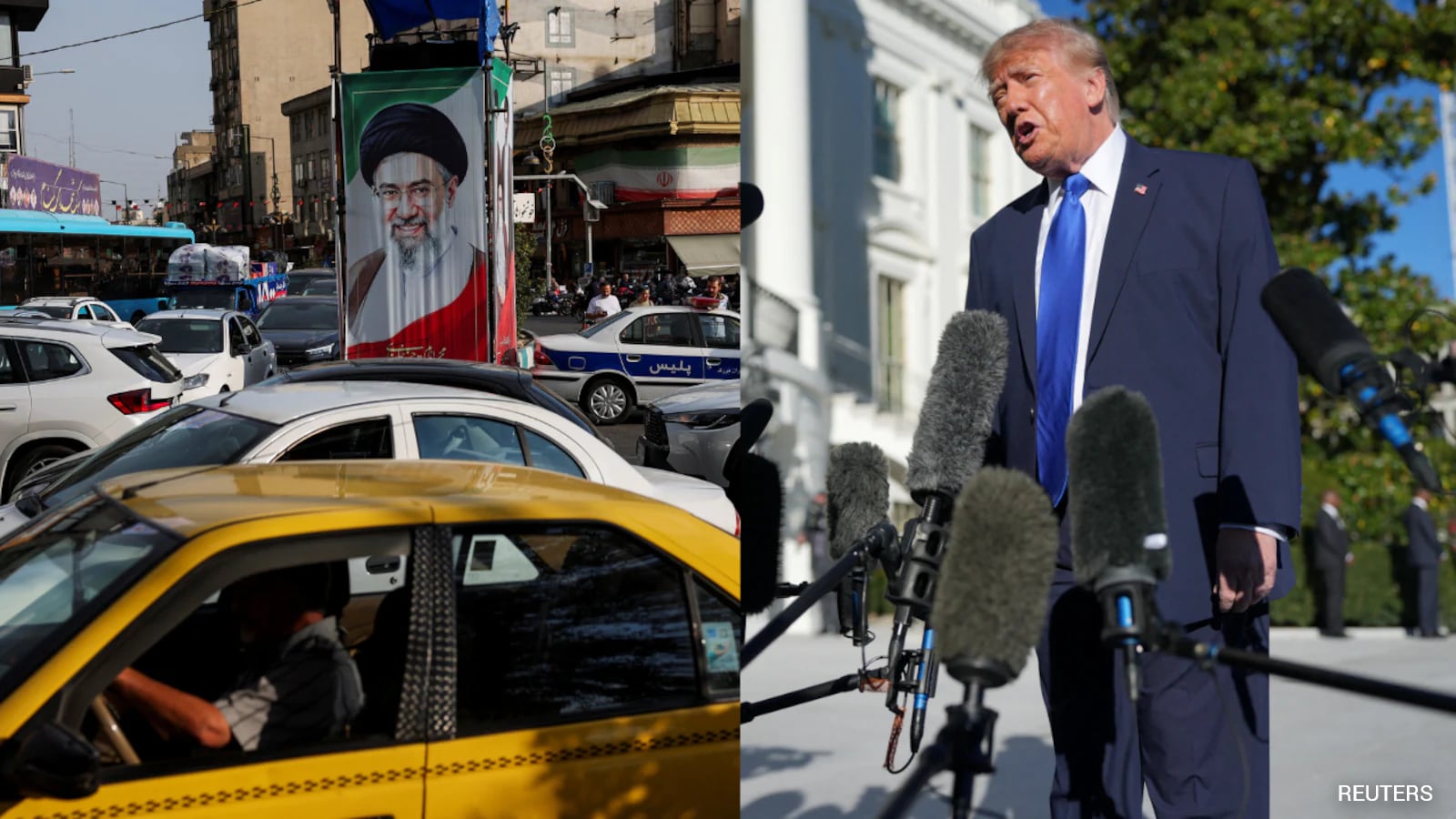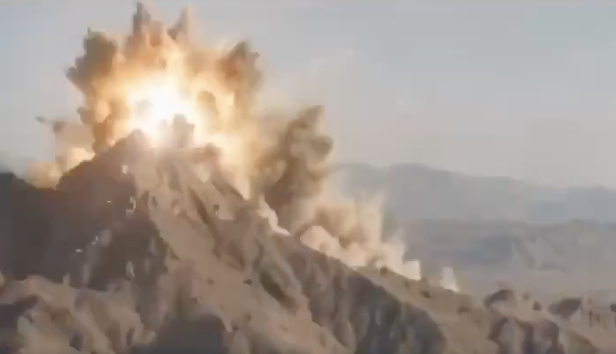
- Iran has issued a detailed video guide on surviving a nuclear attack, which includes instructions on taking shelter and avoiding radioactive contamination, amid US threats from President Donald Trump.
- The eight-minute video published by IRNA on October 29 provides guidelines for citizens, advising them to look for basements, stay away from windows, and switch off air conditioners that draw in outside air.
- The advisory is part of Passive Defence Week, a period during which Iran has historically focused on civil defense measures, but this is the first time it has issued a nuclear attack survival guide.
- Commentators like Tucker Carlson have speculated about a potential nuclear strike on Iran, indicating heightened tensions in the region.
- In June 2025, Israel and the US conducted airstrikes on Iran's nuclear facilities, during which Iranian officials reassured the public that radiation had not spread beyond the targeted sites.
- On October 16, President Trump indicated that the US might target specific locations in Iran but explicitly ruled out the use of nuclear weapons.
- The recent advisory from Iran marks a significant shift in public messaging, focusing on the consequences of a nuclear explosion rather than merely reassuring the public.

Iran has issued a detailed advisory on surviving a nuclear attack, featuring an eight-minute video that instructs citizens on sheltering and fallout precautions. This comes amid heightened tensions with the U.S., particularly following threats from President Donald Trump.12
The video, broadcast by Iranian state media, outlines essential steps for citizens, including seeking shelter in basements, avoiding windows, and turning off air conditioning systems that draw in outside air. Iran's official news agency IRNA reported that the advisory emphasizes the four main dangers of a nuclear explosion: intense light, blast waves, extreme heat, and radioactive material release.
Citizens are advised to remain sheltered for at least 24 hours post-attack, relying on packaged food and bottled water. Reports from Egyptian and Saudi Arabian outlets further detail these instructions, warning against assuming safety after the initial sheltering period.
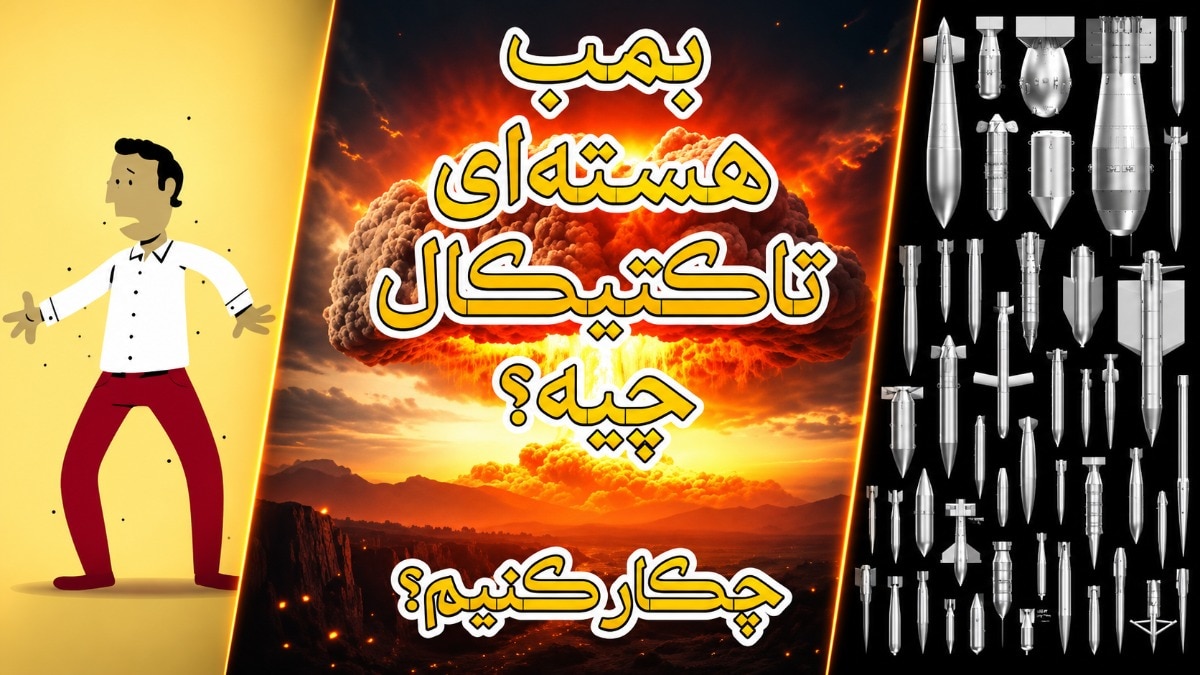
Iranian emergency officials have cautioned that radioactive particles could travel through the air, posing risks even to those far from the explosion site. Adelzadeh from the Isfahan Red Crescent Society stressed the importance of heeding official warnings regarding safety measures.
The advisory also includes guidance on personal hygiene post-exposure, such as removing outer clothing and washing exposed skin. Abbas Abedi, a spokesperson for Isfahan's emergency services, warned against taking iodine tablets without medical advice, noting their limited protective capabilities.
This public advisory marks a significant shift from Iran's previous messaging during the June 2025 Israel-Iran conflict, where officials reassured citizens about radiation safety.5
“The eight-minute guide, published by IRNA on October 29, instructs citizens to shelter in basements, switch off air conditioners, and remain indoors for 24 hours. Officials warn radioactive particles could travel far, potentially affecting Pakistan and parts of India if winds carry them eastward.”

 Inshorts