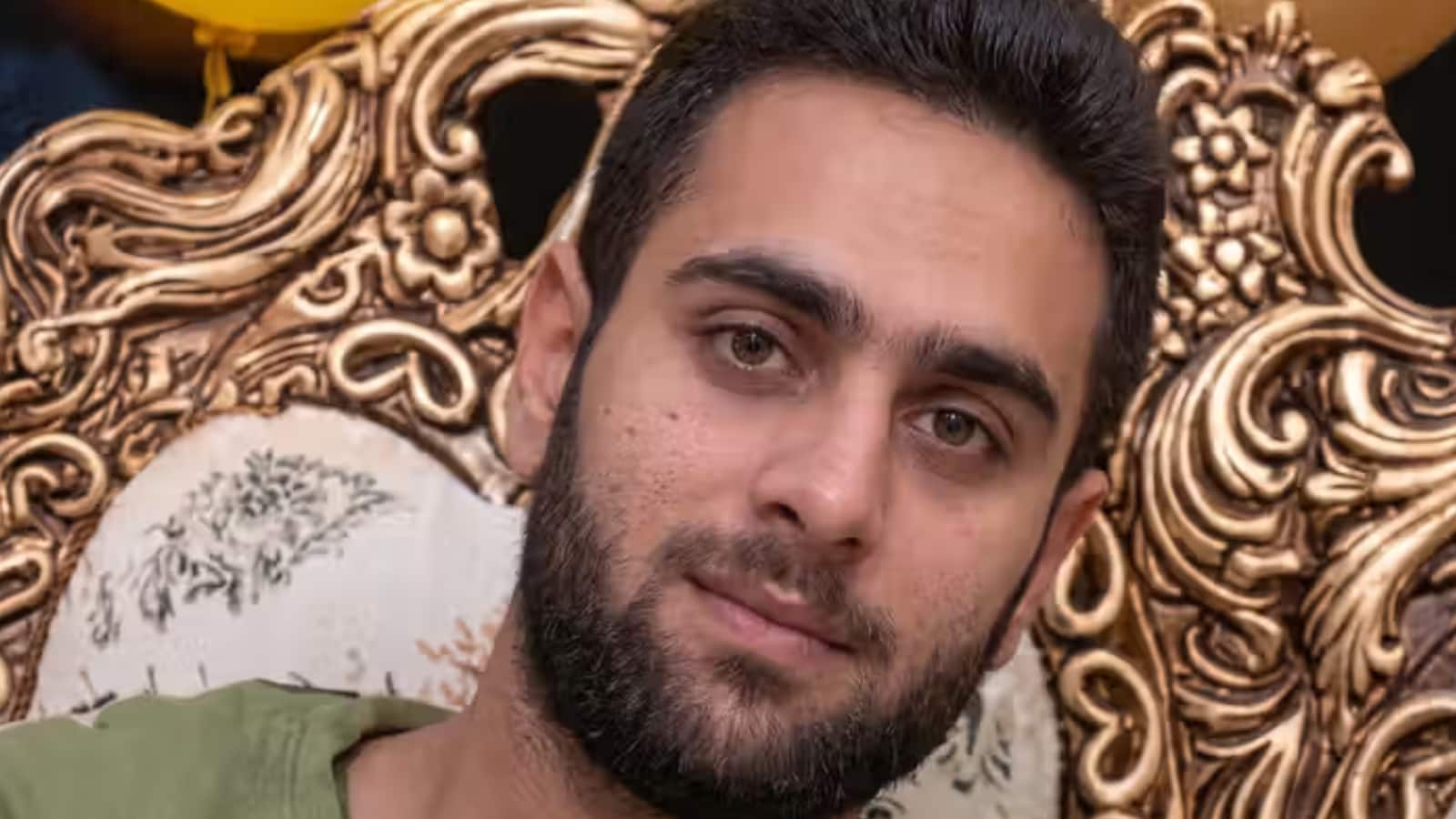
- Iran has executed 20-year-old protester Arvin Kheirkhah in the latest execution linked to the country’s January anti-government protests, raising concerns that several other protesters could soon face the death penalty.
- Kheirkhah was arrested during the January demonstrations and sentenced to death by a Revolutionary Court on charges including moharebeh, or 'waging war against God'.
- He was reportedly moved to solitary confinement on Wednesday before being executed at Shahroud prison.
- In his last conversation with family, Kheirkhah said: 'Don't let them forget me...'
- Reza Pahlavi condemned the execution and warned that several other detainees could soon meet the same fate.
- The protests began in late December over rising living costs and expanded into nationwide anti-government demonstrations, reaching their peak on January 8 and 9.
- Kheirkhah’s execution came just days after Iran publicly hanged two other young protesters, Amirhossein Safari and Abolfazl Sepahi, in Isfahan’s Alikhani Square under heavy security.
- Earlier, Golmohammad Mohammadi and Erfan Esfandiari were executed on July 19, bringing the number of executions linked to the Alikhani Square case to four.
- The executions have drawn criticism from the international community, with United Nations experts urging Iran to halt the executions.
- Among those still facing execution is Shervin Bagherian Jebeli, who had turned 18 only days before his arrest.
Iran executed 20-year-old protester Arvin Kheirkhah at Shahroud prison, raising alarms over the fate of other detainees from the January protests. Kheirkhah was sentenced to death for moharebeh, or 'waging war against God,' after being arrested during nationwide demonstrations against the government.12
His execution follows the hanging of two other young protesters, Amirhossein Safari and Abolfazl Sepahi, and comes amid a wave of executions linked to the unrest. Kheirkhah's family attempted to intervene, gathering outside the prison where he expressed his final wish: “Don’t let them forget me. We stood up for the liberation of our homeland. Don’t let the path we chose be silenced.”7
Iran's former Crown Prince Reza Pahlavi condemned the execution, warning that others, including Javad Ajam and Morteza Zamani, are at risk. The international community has criticized Iran's actions, with United Nations experts urging a halt to executions due to concerns over fair trial violations and closed-door proceedings.
The protests, which began in late December over rising living costs, escalated into anti-government demonstrations, resulting in over 3,000 deaths according to Iranian authorities, who blamed the violence on foreign-backed terrorism. Rights groups, however, accuse Iranian security forces of excessive force against protesters.6
As the situation unfolds, the number of executions linked to the protests continues to rise, with eight others still on death row, prompting renewed calls for international intervention and scrutiny of Iran's judicial practices.
“His execution came days after Amirhossein Safari and Abolfazl Sepahi were publicly hanged in Isfahan's Alikhani Square, with eight others still on death row. UN experts urged Iran to halt the executions, citing closed-door trials and confessions broadcast on state television.”
 Firstpost
 News18



