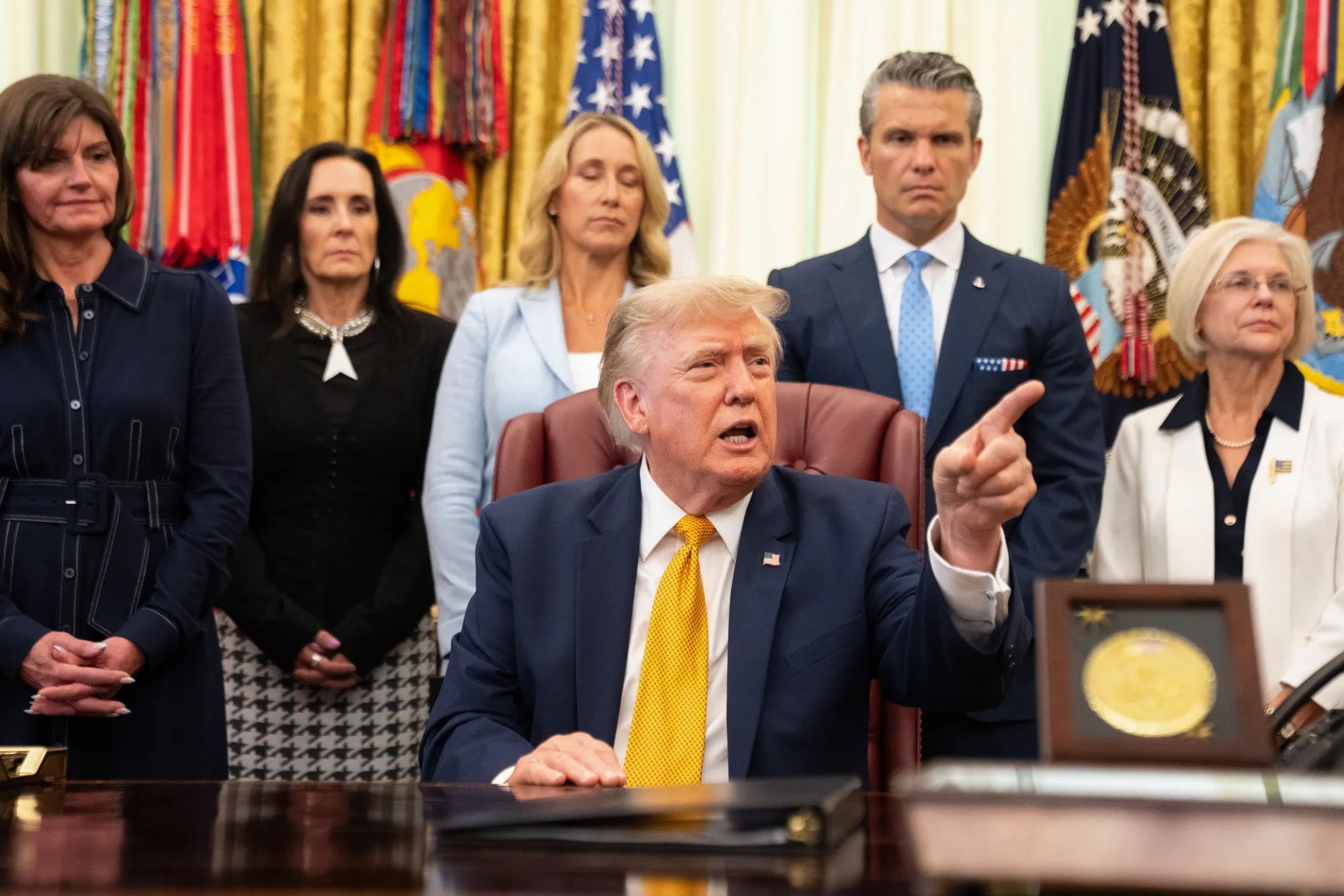
- On Wednesday (Aug 12), US President Donald Trump claimed Washington maintains "total control" over the strait and that American forces will likely keep their presence.
- Trump described the naval blockade as a "wall of steel" and said "there is nothing Iran can do about it".
- Iran's Khatam al-Anbiya Central Headquarters on Thursday (Aug 13) dismissed US claims of full control over the Strait of Hormuz as "baseless lies".
- The military command said the strategic waterway remains under Tehran's control, according to a report by Anadolu Ajansi (AA).
- Iran asserted that the Strait of Hormuz remains under the "full management and control" of the Islamic Republic of Iran.
- Iran warned that no commercial vessel or oil tanker can transit the strait safely without authorisation and supervision of Iran's armed forces.
- The West Asia region has remained tense since the US-Israeli war on Iran began in late February, and the closure of the strait continues to disrupt global energy supply chains.
- The Trump administration is betting once again that suffocating economic pressure will do the job.
- Facing a shortfall of necessary munitions and wary of continuing an unpopular war, Trump and his top officials are returning to a familiar playbook: relying on a steady increase in economic sanctions and a naval blockade to stifle Iran’s oil exports.
Iran's Khatam al-Anbiya Central Headquarters has firmly rejected U.S. President Donald Trump's assertion of total control over the Strait of Hormuz, labeling it as "baseless lies." The Iranian military emphasized that the strategic waterway remains under Tehran's management, stating, "No commercial vessel or oil tanker can or will be able to transit the strait safely without the authorisation and supervision of Iran's armed forces."
Trump claimed on his social media platform that the U.S. maintains absolute authority over the strait, describing the ongoing naval blockade as a "wall of steel" and asserting that "there is nothing Iran can do about it." This exchange comes amid heightened tensions in the region, exacerbated by the ongoing U.S.-Israeli conflict with Iran that began in late February.
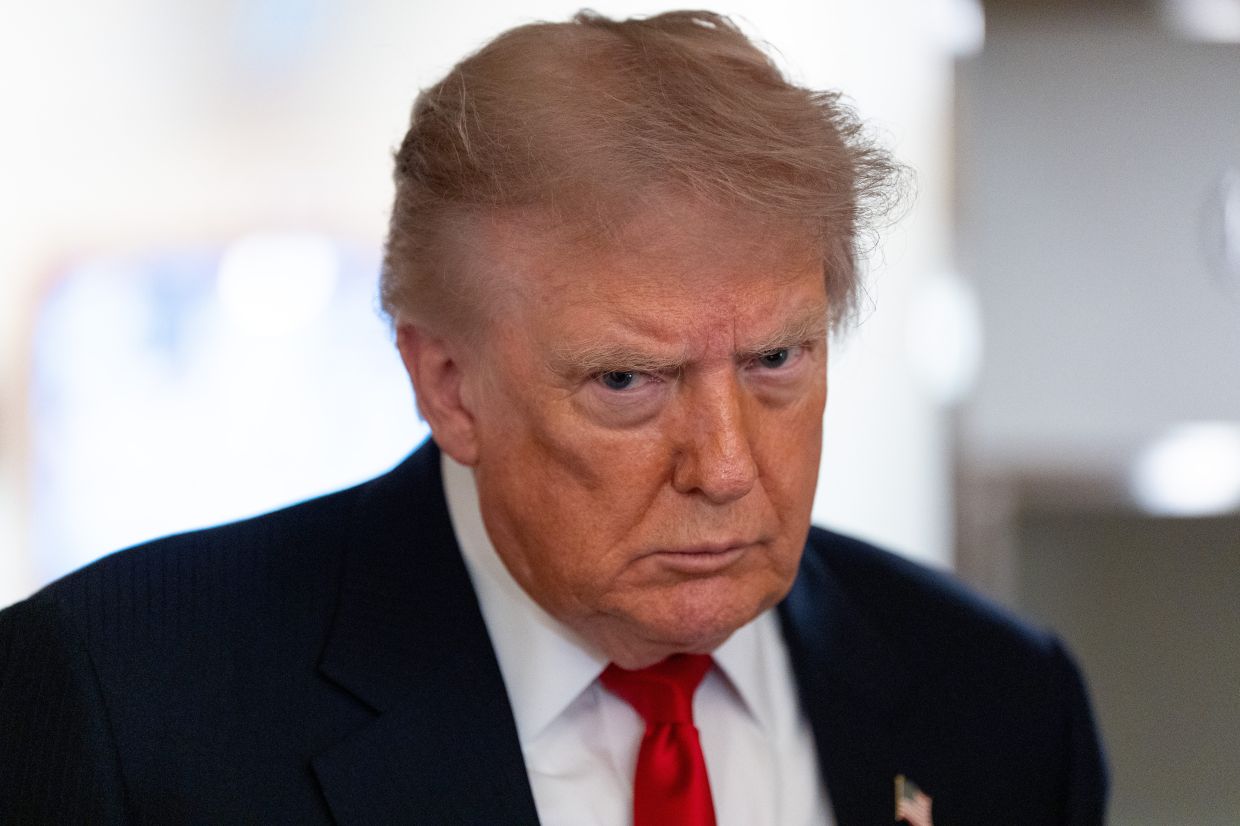
The Iranian military's statement reflects a broader narrative of defiance against U.S. sanctions and military presence in the region. The Strait of Hormuz is a critical chokepoint for global oil supplies, and Iran's control over it is a significant factor in the geopolitical landscape. As the U.S. continues to apply economic pressure, the situation remains volatile, with both nations yet to reach a final agreement to ease tensions. The closure of the strait has already begun to disrupt global energy supply chains, raising concerns about the potential for further escalation.
“The US military campaign has failed to force Iran's capitulation, prompting Trump to revert to economic sanctions and a naval blockade to stifle oil exports. Iran warns no vessel can transit safely without its armed forces' authorization, as the strait's closure disrupts global energy supply chains.”


 The Star