- Iran defended a proposal on Monday to restart peace talks in as few as two days as the most reasonable offer on the table, after US Secretary of State Marco Rubio called some of Iran's conditions "outrageous and ridiculous".
- Esmaeil Baghaei, Foreign Ministry spokesman, questioned the reasonableness of Iran's demands, asking if it is unreasonable that US illegal sanctions and its naval blockade must be lifted before negotiations start.
- Iran's proposal was shortened from an earlier seven-day plan to just two days, which Araghchi reiterated in his X post on Sunday.
- Abbas Araghchi stated that there have been no peace talks with the US since the 'shock' of the midterm elections, indicating that mediators have not traveled.
- In September, Iran proposed a seven-day plan to reopen the Strait of Hormuz, which included demands such as ending the war on all fronts, unfreezing Iranian assets, and lifting oil sanctions.
Iran has proposed a two-day timeline to restart peace talks, defending it as the most reasonable offer after US Secretary of State Marco Rubio labeled its conditions as "outrageous and ridiculous."1
Foreign Ministry spokesman Esmaeil Baghaei questioned the reasonableness of Iran's demands, stating, "Is it unreasonable that Iran demands that US illegal sanctions and its naval blockade must be lifted before negotiations start and that the war should end on all fronts?"2
The proposal aims to expedite discussions from an earlier seven-day timeline, contingent on the US halting hostilities and lifting sanctions.
Iranian Foreign Minister Abbas Araghchi noted that mediators have not traveled since the US midterm elections, which he described as a "shock" that has disrupted diplomatic efforts.4
He emphasized the need for patience, stating, "We now have to see how long it will take for them to digest these results, in order to determine how we are going to move forward."
Despite a decrease in outright fighting, tensions remain high, with Iran continuing to blockade the Strait of Hormuz, crucial for global energy supplies, while the US Navy maintains its counter-blockade.5
Araghchi warned that if the US does not accept Iran's demands, it risks escalating conflict, stating, "choose war, and see our alert and battle-hardened warriors rain down hell."
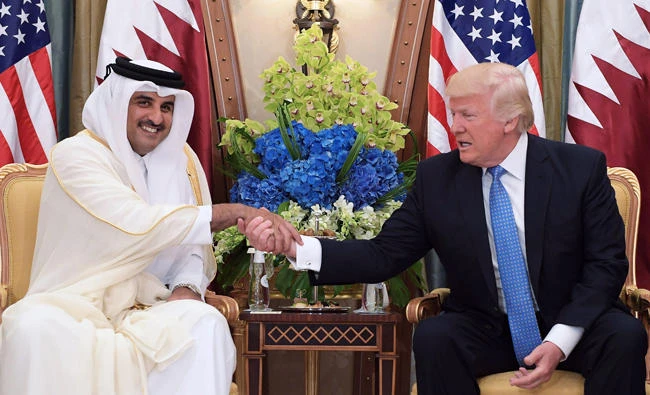
“Foreign Ministry spokesman Esmaeil Baghaei questioned whether it is unreasonable to demand lifting US sanctions and naval blockade before talks, while noting US pressure on Iraq to close borders with Iran should not affect bilateral ties. Araghchi said mediators have not traveled since the midterm 'shock', as regional powers like Qatar and Pakistan have tried for months to halt the war.”