- At the end of last month, Donald Trump said Hamas had agreed to disarm, with Israel withdrawing its forces from Gaza. Israel's prime minister stated his military would not withdraw until Hamas fully disarmed, warning that as long as he was prime minister, there would be no Palestinian state in Gaza or the West Bank and Iran would "not have nuclear weapons".
- Earlier this month, far-right national security minister Itamar Ben Gvir said the draft was "not acceptable" and advocated for targeted assassinations, stating he disagreed with the prime minister. US senator Jacky Rosen called the comments "horrific" and urged Ben Gvir to resign, asserting that anyone advocating violence against civilians should not hold an official government position.
- Over the weekend, Israeli strikes in southern Lebanon resulted in at least 11 deaths, marking one of the deadliest attacks since Lebanon agreed to a US-mediated peace deal. The Israeli military stated it targeted infrastructure belonging to Iran-backed Hezbollah in response to actions against its soldiers.
- Shipping activity in the Strait of Hormuz slowed over the weekend, with only five vessels transiting on Saturday and none on Sunday, compared to 31 the previous weekend. This decline follows the UAE's report of attacks on three vessels operated by the Abu Dhabi National Oil Company last week.
- Yesterday, Kushner held talks with Hamas leader Khalil al Hayya to discuss the implementation of the US-backed Gaza plan. He is expected to meet Netanyahu today, coinciding with the Likud primaries.
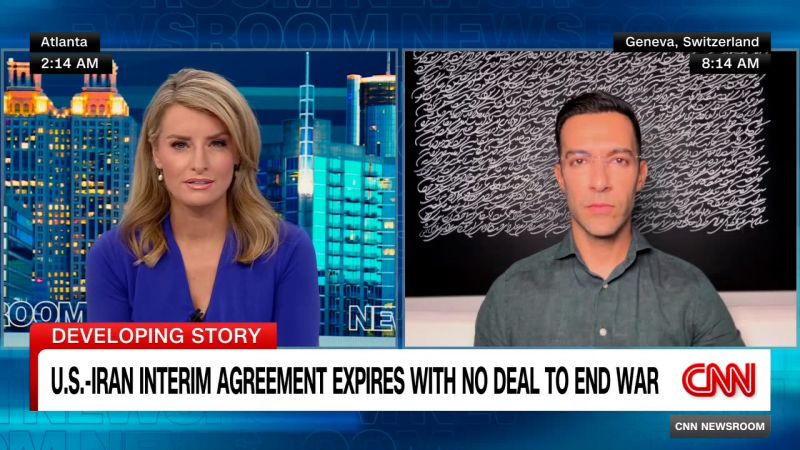
- The US-Iran memorandum of understanding has expired amid stalled negotiations, heightening regional tensions.
- A source familiar with yesterday's meeting indicated that Hamas and Kushner met "with the objective of translating the roadmap's obligations into concrete, verifiable steps". The source added that these actions aim to maintain the ceasefire and ensure that Hamas has no role in Gaza's future administration.
Iran's foreign ministry spokesperson Esmail Baghaei stated that there is "no provision" in the ceasefire memorandum regarding a deadline, emphasizing the U.S.'s failure to uphold the agreement.
The U.S. envoy, Jared Kushner, is currently engaged in talks with Hamas and Israeli Prime Minister Benjamin Netanyahu to navigate the complexities of the ceasefire plan. This meeting comes at a critical juncture, as Netanyahu faces primaries within his Likud party, with far-right national security minister Itamar Ben Gvir openly opposing any reduction of military operations in Gaza.
In a recent podcast, Ben Gvir advocated for aggressive military actions, stating, "targeted assassinations should be carried out taking down 30 to 40 every night," prompting U.S. Senator Jacky Rosen to label his comments as "horrific" and call for his resignation.
Amid these tensions, shipping activity in the Strait of Hormuz has significantly decreased, with only five vessels transiting on Saturday compared to 31 the previous weekend, following attacks on vessels linked to the Abu Dhabi National Oil Company.
The situation remains precarious, with at least 11 fatalities reported in Israeli strikes in southern Lebanon, marking one of the deadliest escalations since a U.S.-mediated peace deal.
As negotiations continue, the future of the Gaza ceasefire remains uncertain, with Netanyahu asserting that Israel will not withdraw until Hamas fully disarms.
“Kushner's meeting with Hamas leader Khalil al Hayya aimed to translate the roadmap into concrete steps, including transferring Gaza governance to a National Committee. Meanwhile, shipping in the Strait of Hormuz slowed to five vessels Saturday and none Sunday, down from 31 the prior weekend, after UAE reported attacks on ADNOC vessels.”