- The biggest exchange of fire between Tehran and Washington since July occurred, with U.S. forces striking Iran's southern coast and Iran firing at American bases across the region.
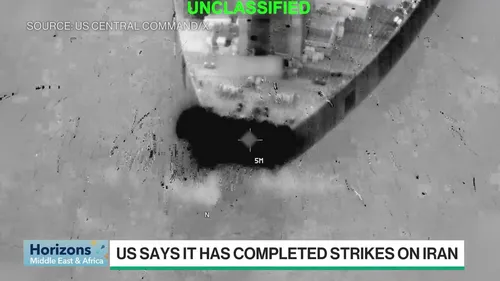
- The U.S. military struck Revolutionary Guard air defenses, radar systems, maritime assets, mine-laying capabilities and communications sites on Tuesday.
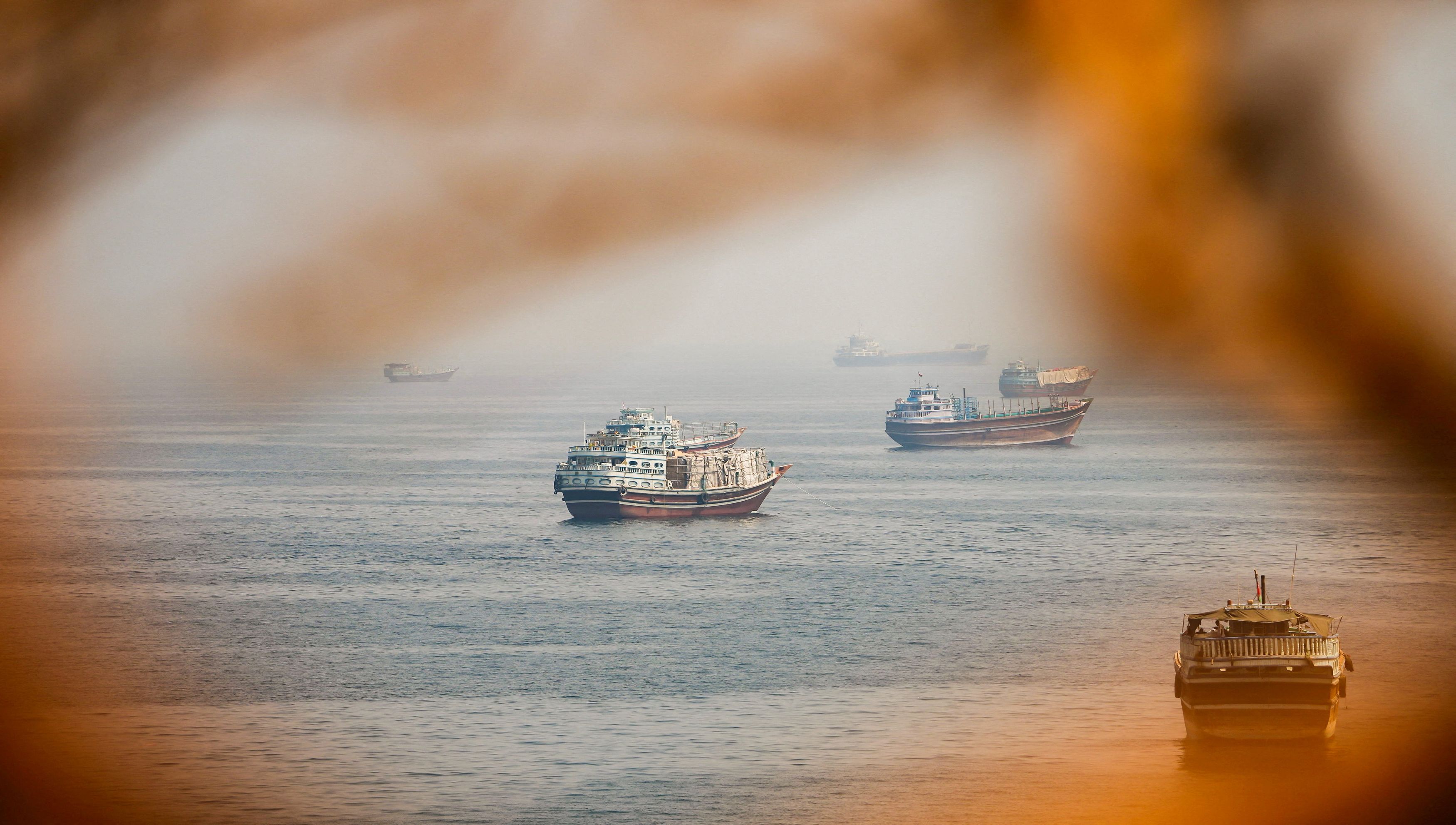
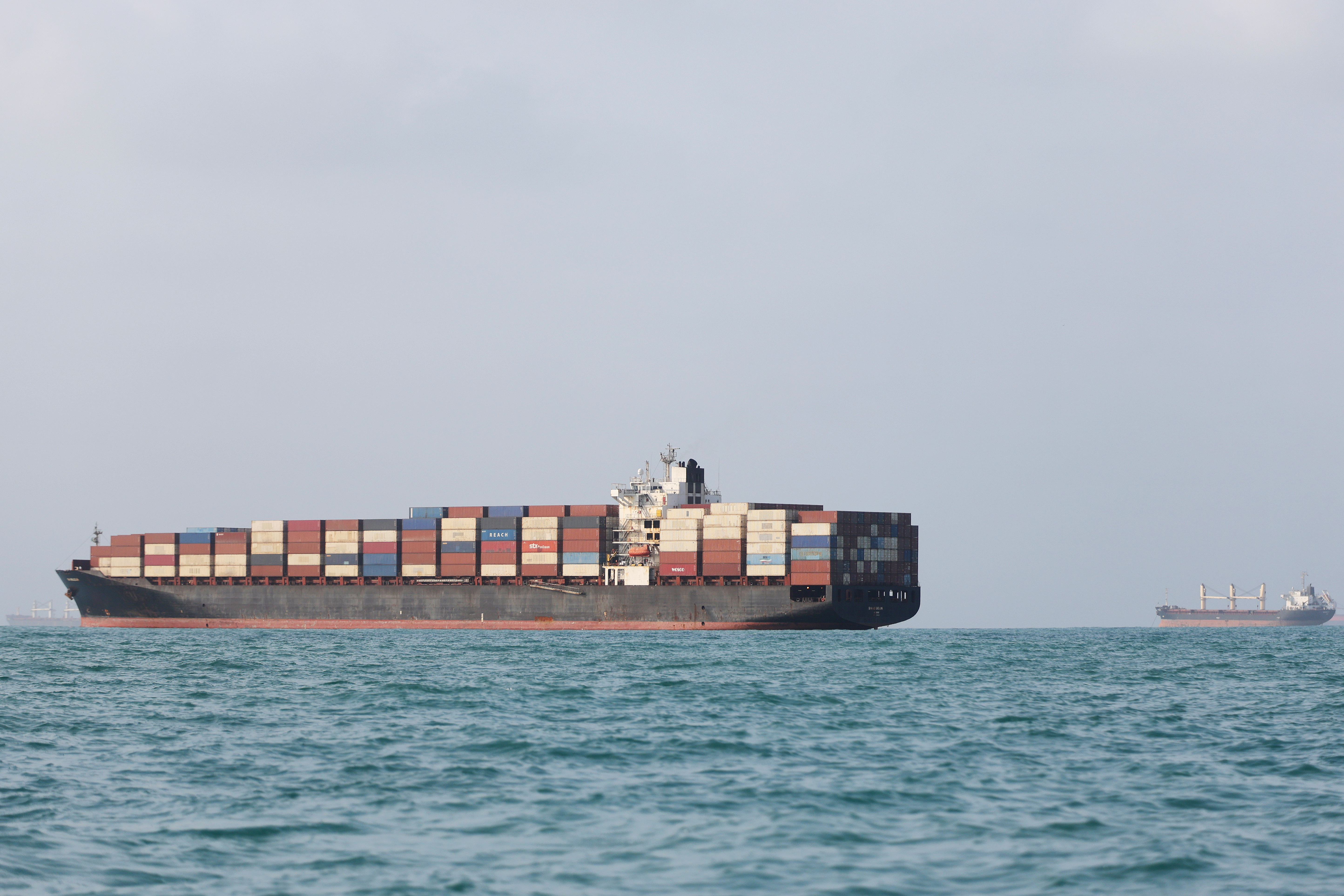
- Iran reported hits on multiple targets near the Strait of Hormuz, where Tehran has threatened tankers.
- Iran struck what it said were U.S. assets in Bahrain, Jordan, Kuwait and Iraq, aiming to drive U.S. forces from bases across the Middle East.
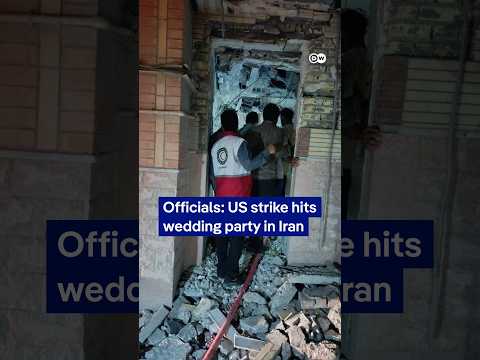
- Iran reported at least 12 deaths from the U.S. strikes, including five people killed at a wedding in Sirik, with as many as 68 wounded.
- Iran's military command threatened heavier, more widespread, and devastating responses against American evil and any country cooperating with the U.S. army.
- The exchange was the worst since July, when President Trump halted two weeks of bombing after warnings from military brass about munitions and targets.
- Trump claimed almost total control of the Hormuz Strait and Iran's economy collapsing, while a Reuters/Ipsos poll showed Americans oppose the war by more than two-to-one.
The U.S. military's recent strikes on Iranian Revolutionary Guard assets have escalated tensions, leading to Iran's retaliatory attacks on U.S. bases across the Middle East.
The U.S. targeted key Iranian military capabilities, including air defenses and communications sites, in a bid to curb Tehran's influence. In response, Iran claimed to have struck multiple U.S. positions in Bahrain, Jordan, Kuwait, and Iraq, asserting its intent to drive American forces from the region.
Iran's military command warned, "American evil in the region will be met with heavier, more widespread, and devastating responses..." This exchange of fire is noted as the most severe since July, when previous hostilities were temporarily halted.
The Iranian government reported 12 fatalities from the U.S. strikes, including a four-year-old child, and indicated that 68 individuals were injured during the attacks, which occurred during a wedding celebration in Sirik. Images of injured children were circulated by Iranian media, highlighting the human cost of the conflict.
The ongoing conflict has drawn mixed reactions, with a recent Reuters/Ipsos poll indicating that Americans oppose the war by more than a two-to-one margin, reflecting a growing wariness of U.S. military involvement in the region.
“Iran reported at least 12 deaths from the US strikes, including five killed at a wedding in Sirik, with as many as 68 wounded. Trump claimed almost total control of the Hormuz Strait and Iran's economy collapsing, while a Reuters/Ipsos poll showed Americans oppose the war by more than two-to-one.”