Sources: 
Iran's Islamic Revolutionary Guard Corps (IRGC) has introduced stringent maritime regulations aiming to solidify control over the Strait of Hormuz and surrounding waters, which are pivotal for international shipping.
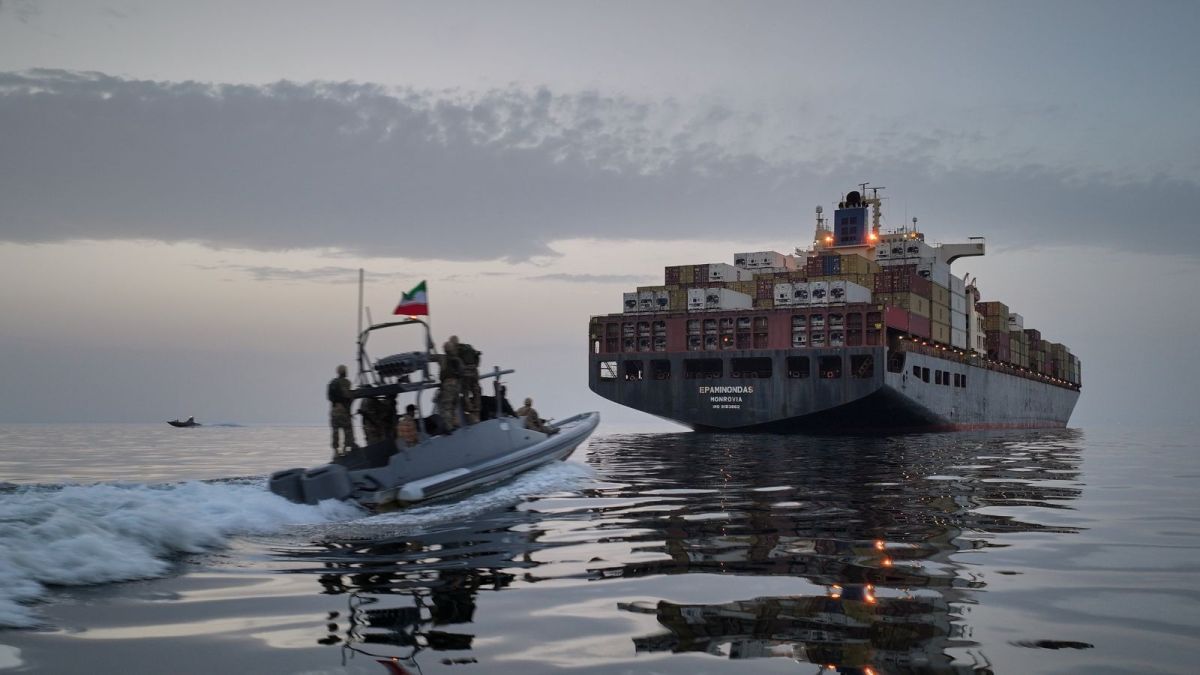
The IRGC will enforce its rules along nearly 2,000 km of coastline, although ships navigating through these waters face heightened risks as Iranian fast attack boats are currently targeting them, compelling vessels to divert and pay tolls for safe passage.
According to Iranian media,
Supreme Leader Mojtaba Khamenei warned that any foreign presence in the region is unwelcome, aligning with Tehran's renewed push for sovereign control over maritime routes. The announcement comes as part of Iran's broader strategy to claim regional dominance, declaring the waters as “a source of pride and power for the dear people of Iran.”
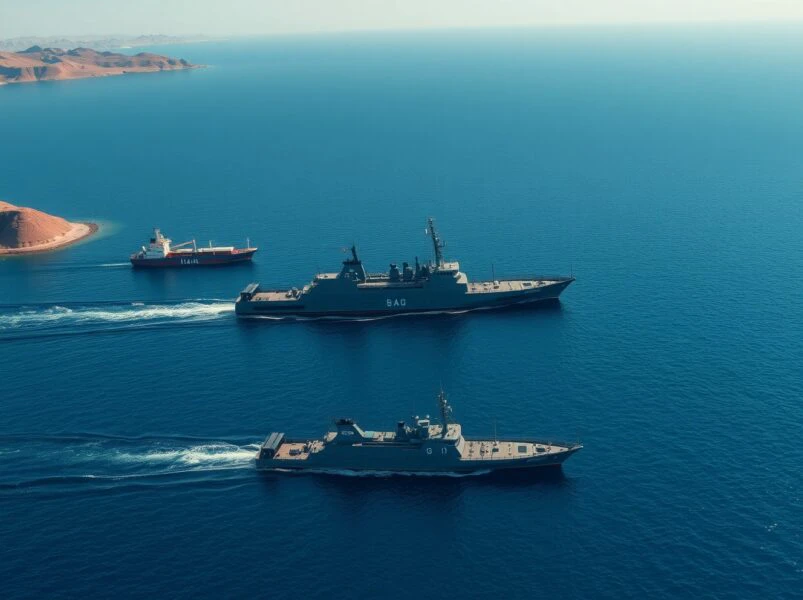
Meanwhile, the US reaffirmed that its naval blockade on Iranian ports will remain in full effect until freedom of navigation is restored to pre-blockade levels, continuing pressure on Iran's already strained economy, crucially dependent on oil exports from the Strait.
Reports from previously indicate that vessels transpiring the Strait pay up to $2 million each to avoid potential conflict. As tensions escalate, Iran has even proposed sharing shipping tolls with Oman, further complicating the geopolitical landscape in this strategically vital area.
Overall, these developments highlight an increased assertion of power from Iran amidst ongoing US sanctions.
Sources: Iran's Islamic Revolutionary Guard Corps announced new maritime rules to tighten control over the Strait of Hormuz, affecting nearly 2,000 km of coastline. The US, meanwhile, confirmed that its naval blockade on Iranian ports would remain in effect until navigation freedoms are restored, escalating regional tensions.