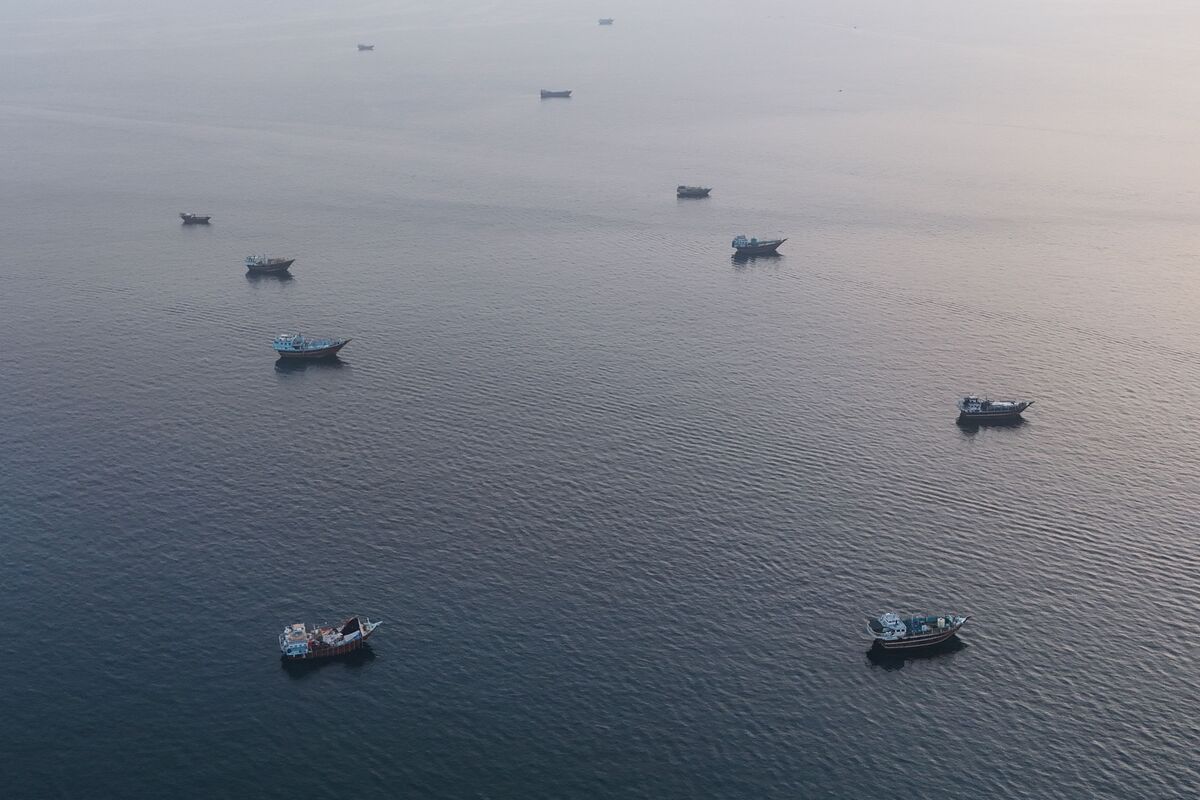
- Iran and Oman have reached an understanding on a new framework for managing ship traffic in the Strait of Hormuz that would exclude military vessels from traversing the vital waterway.
- Iranian Deputy Foreign Minister Kazem Gharibabadi told state TV that commercial shipping traffic into the Persian Gulf from the Gulf of Oman would pass entirely through Iranian waters, while the outbound route would pass partly through Iranian waters and partly through Oman's territorial waters.
- The proposed route would be temporary, and Iran and Oman must discuss a permanent maritime traffic scheme within 30 to 60 days.
Iran and Oman have reached a significant agreement regarding the management of ship traffic in the Strait of Hormuz, a crucial maritime route for global oil shipments. The new framework excludes military vessels, focusing solely on commercial shipping.1
Iranian Deputy Foreign Minister Kazem Gharibabadi announced that the commercial shipping traffic entering the Persian Gulf from the Gulf of Oman will navigate entirely through Iranian waters. Conversely, the outbound route will traverse both Iranian and Omani territorial waters.2
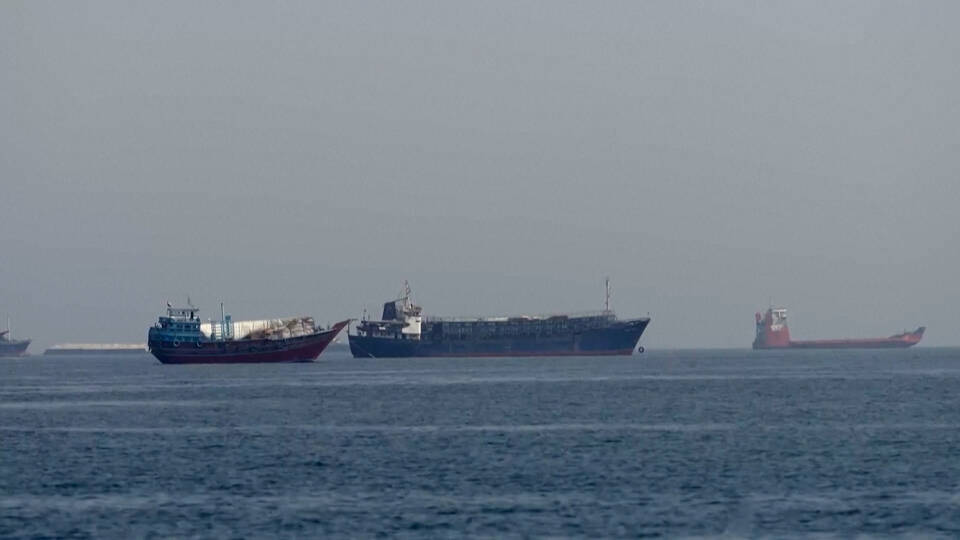
This agreement is described as a temporary measure, with discussions for a permanent maritime traffic scheme expected to take place within 30 to 60 days. The resumption of negotiations comes amid heightened tensions in the region, particularly following recent incidents involving oil tankers and U.S. military presence.3
The U.S. has recently completed clearing mines from the Strait, which has been a focal point of military and economic tensions. The agreement between Iran and Oman reflects a strategic move to ensure the safety and efficiency of commercial shipping in this vital waterway, amidst ongoing geopolitical challenges.
“Iranian Deputy Foreign Minister Kazem Gharibabadi said the proposed route is temporary, with a permanent maritime traffic scheme to be discussed within 30 to 60 days. Separately, the U.S. Secret Service is tracking an Iranian state TV video alleging a $10 million bounty for killing Barron Trump.”


 AP News