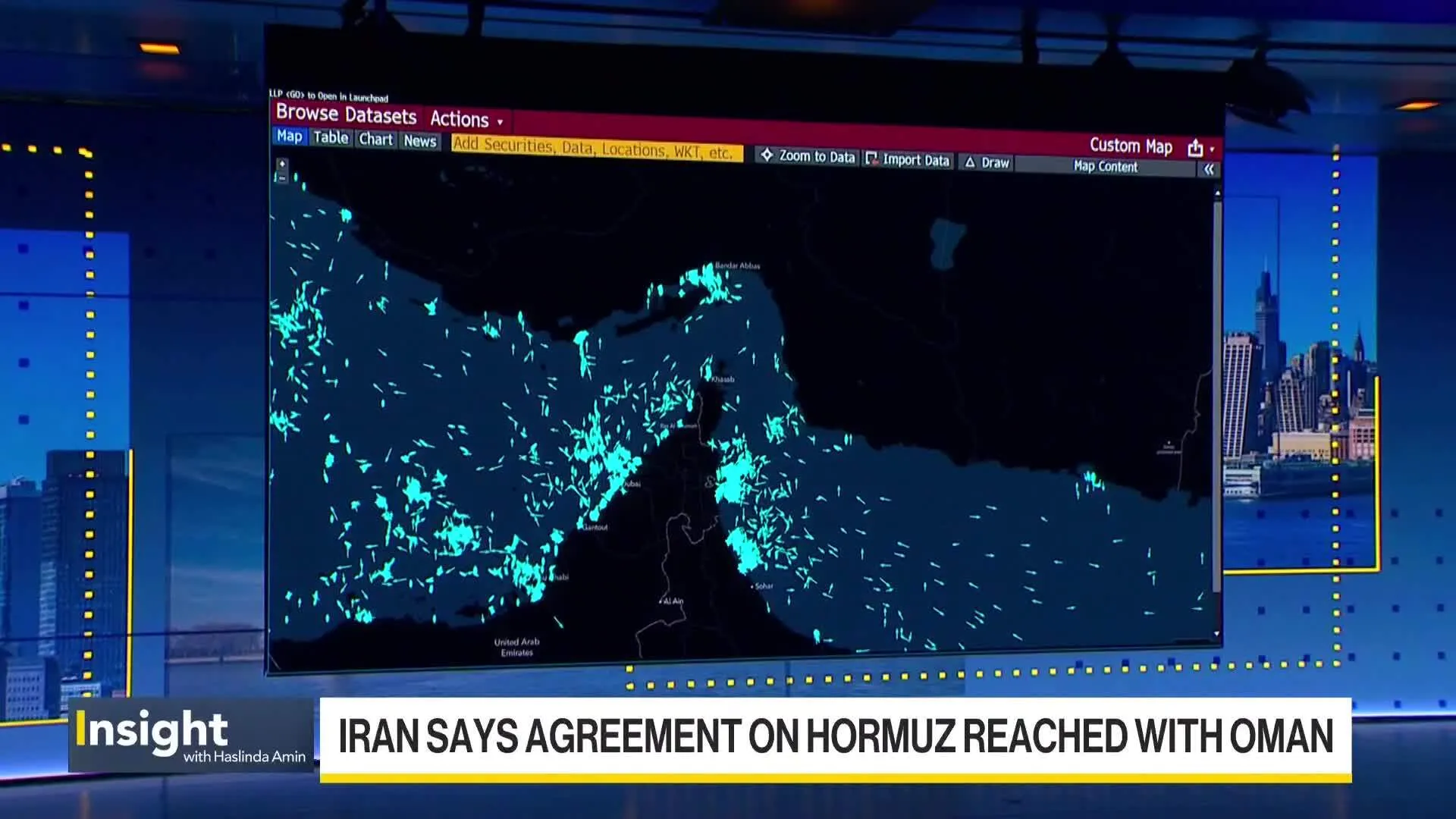
- Iran says a deal on Hormuz with Oman is agreed in principle.
- Iran's Deputy Foreign Minister Kazem Gharibabadi cautioned that agreement would not mean the full reopening of the sea lane.
- Tehran insists the US is not part of its deal with Oman.
- The two countries have been negotiating a plan for the management of maritime traffic through the strait.
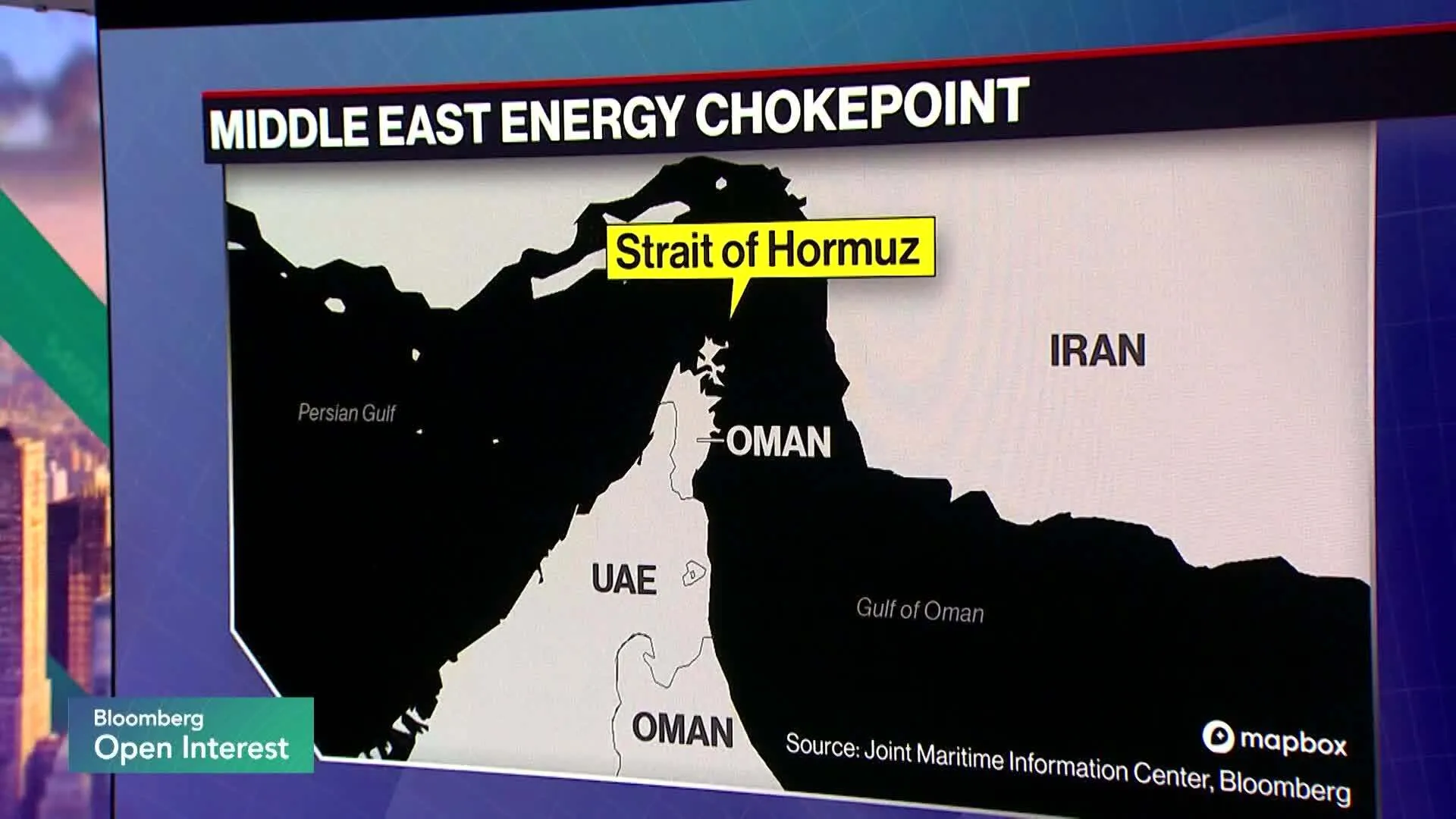
Iran has reached a preliminary agreement with Oman regarding the management of maritime traffic in the Strait of Hormuz, a crucial chokepoint for global oil shipments. The deal, which is said to be in its final stages, aims to facilitate shipping through this vital route.14
However, Deputy Foreign Minister Kazem Gharibabadi cautioned that this agreement does not imply a full reopening of the sea lane, indicating that restrictions may still be in place. He emphasized that Tehran's negotiations with Oman do not involve the United States, highlighting the regional dynamics at play.23
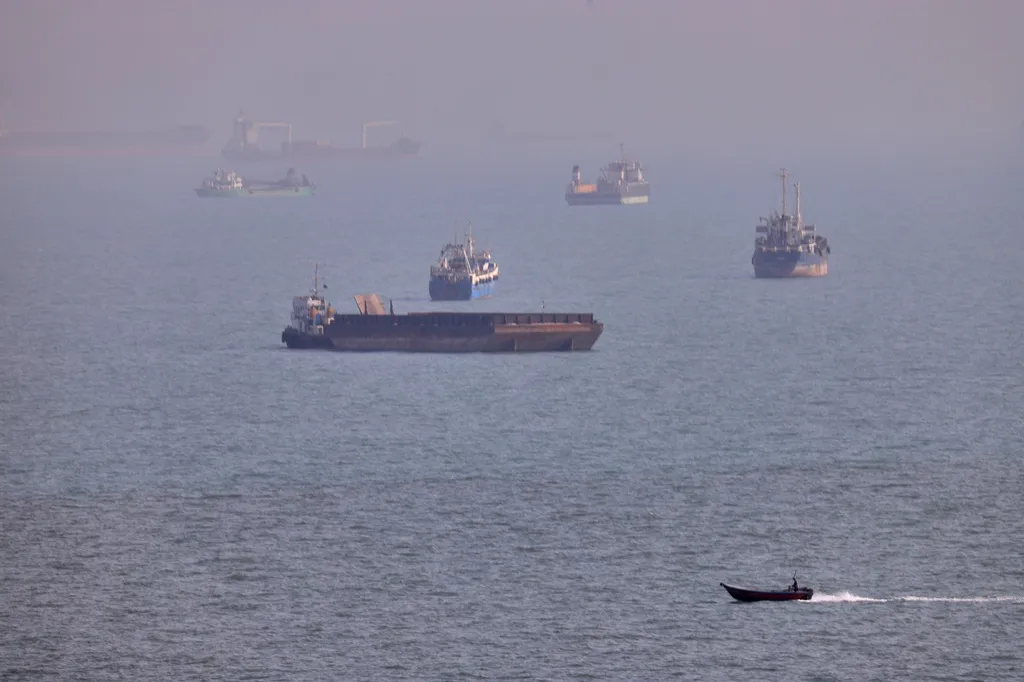
The Strait of Hormuz is a significant maritime corridor, with a substantial portion of the world's oil supply passing through it. The ongoing negotiations between Iran and Oman reflect the importance of maintaining stability in this area, especially amid rising tensions in the region. Oil traders are closely monitoring the situation, awaiting further developments that could impact shipping operations.
As the situation evolves, the implications of this agreement could have far-reaching effects on global oil markets and regional security, making it a critical issue for stakeholders involved in maritime trade.
“Oil traders are awaiting the agreement, with Iran saying a deal to at least partially reopen the critical chokepoint is in its final stages. Tehran insists the US is not part of its deal with Oman.”