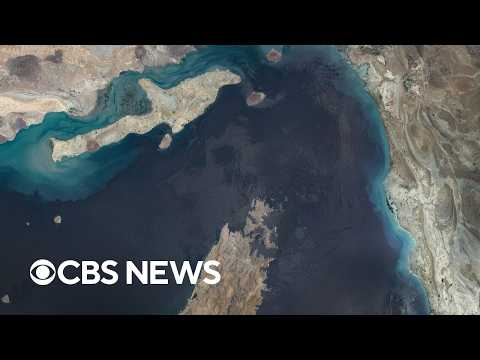
- Iran and Oman are currently discussing a shipping corridor in the Strait of Hormuz, where ships entering the Gulf would pass through Iranian waters and those leaving would use Omani waters. If an agreement is reached, they would have 30 to 60 days to finalize a permanent route, with the Revolutionary Guards involved in the discussions.
- The Revolutionary Guards have agreed with Oman to share revenues from any fees imposed in the strait, a proposal that has been rejected by Washington.
- Kazem Gharibabadi warned that the Strait of Hormuz will only be reopened in exchange for an end to the war, lifting of the blockade, and a resolution to the situation in Yemen, emphasizing that the US must fully implement all commitments it has breached.
- Experts indicate that negotiations are slow due to issues surrounding sovereignty, jurisdiction, control of vessels, and potential fees, with Omani researcher Abdallah Baaboud noting that Oman and Iran are negotiating elements of a post-war governance and security architecture for Hormuz.
- Iran links the full reopening of the strait to its standoff with Washington, demanding the lifting of US sanctions, compensation for war damage, and security guarantees, while Oman seeks to separate freedom of navigation from the wider conflict, which Baaboud identifies as the real source of the delay.
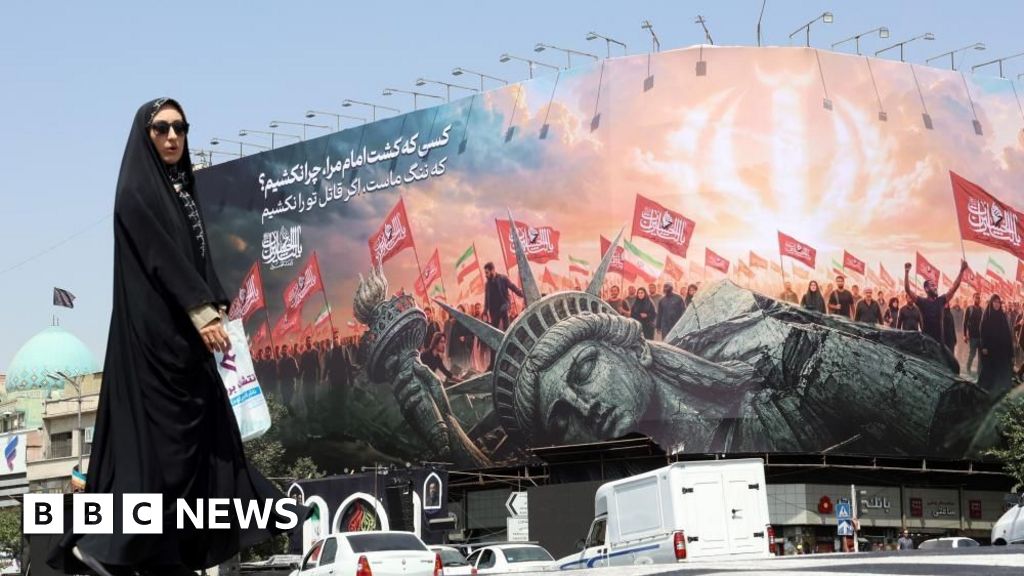
- The US President has asserted that the strait is under US control, a claim denied by Tehran, and has threatened Oman with bombing if it stands in the way, complicating Muscat's role as an intermediary without appearing to support Iranian control.
- Despite potential discomfort with Oman's diplomacy, Washington also needs the channel Oman provides, as noted by Baaboud, who mentioned that Muscat is trying to involve other nearby coastal Gulf states to avoid the impression of a one-on-one deal with Tehran.
Iran and Oman are in discussions to establish a temporary shipping corridor in the Strait of Hormuz, with the involvement of Iran's Revolutionary Guards. The proposed plan aims to facilitate safe navigation, allowing ships entering the Gulf to pass through Iranian waters while those leaving would use Omani waters.12
Omani Foreign Minister Badr Albusaidi expressed optimism about the negotiations, stating he hoped for an announcement regarding the new corridor and practical arrangements for safe navigation soon. He noted that a permanent solution would follow in due course.
Iranian Deputy Foreign Minister Kazem Gharibabadi indicated that if an agreement is reached, the two countries would have 30 to 60 days to finalize the route. He emphasized that the Revolutionary Guards are actively involved in the discussions, with maps drawn up by the armed forces.3
However, the negotiations face challenges, including issues of sovereignty, jurisdiction, and compliance with international law. Experts suggest that the slow pace of talks reflects the complexity of establishing a governance and security framework for the strait.45
Oman seeks to maintain its role as an intermediary while navigating its relationship with the United States, which has asserted control over the strait. The U.S. has warned Oman against supporting Iranian control, complicating Muscat's diplomatic efforts.
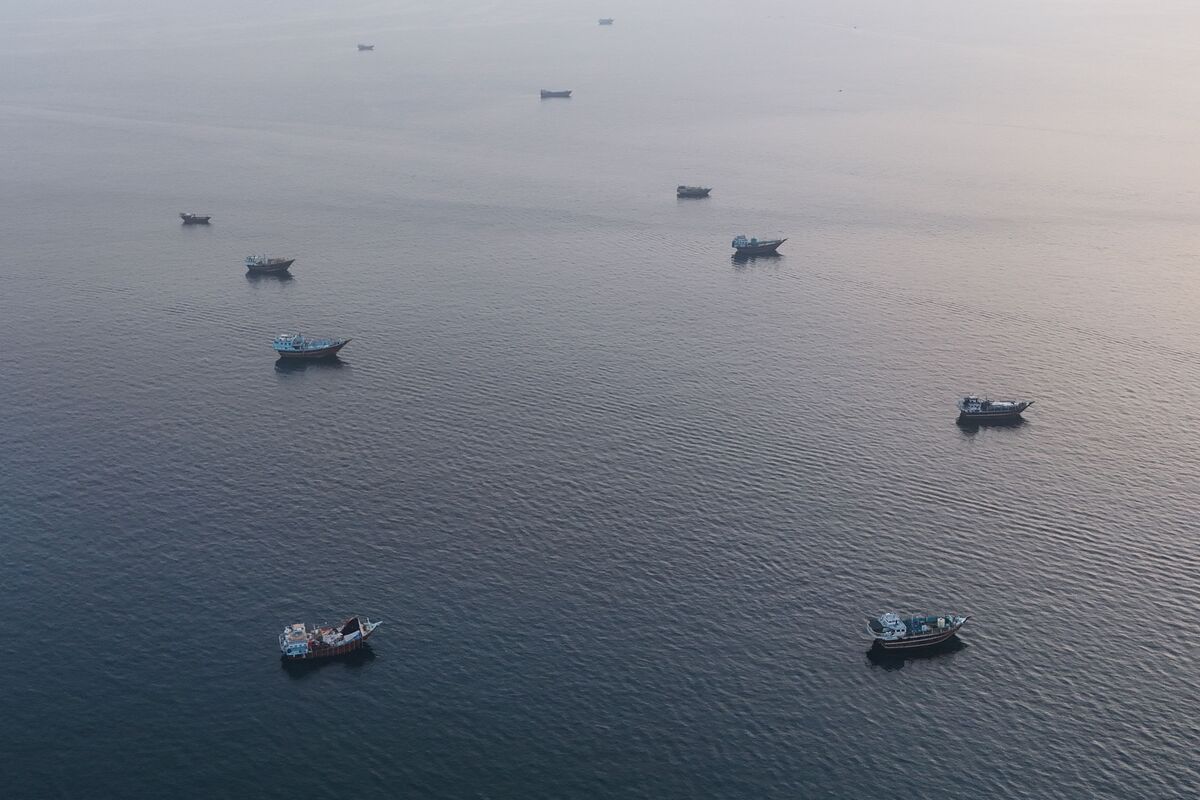
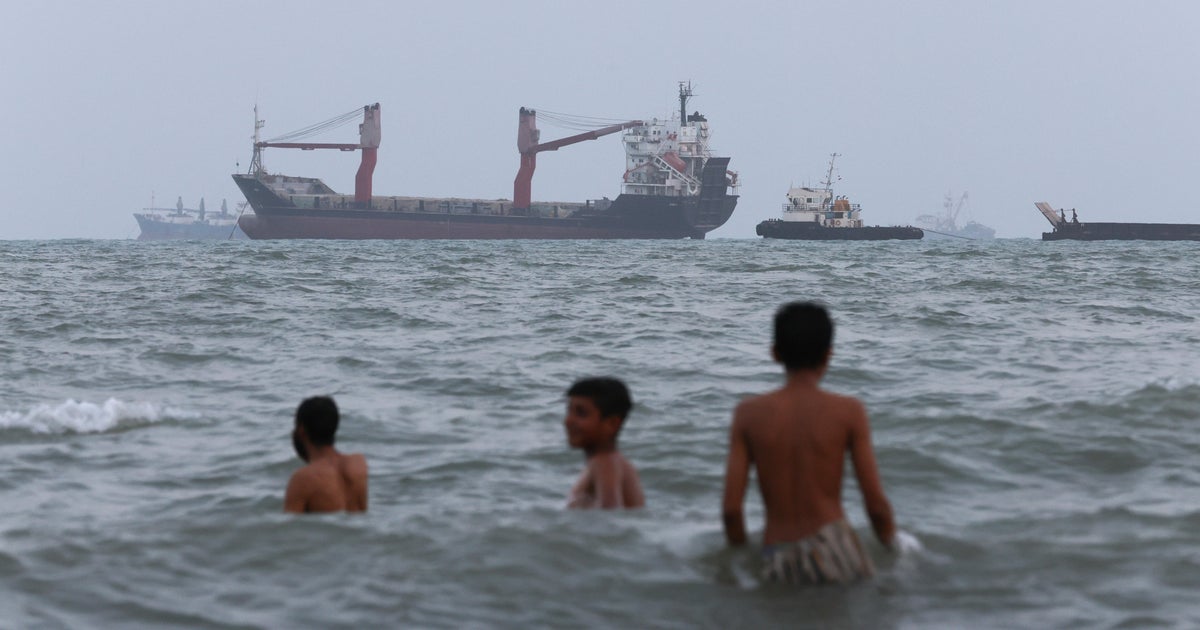
As the situation develops, both nations are working towards a controlled resumption of navigation, with the hope of enhancing maritime security in this critical waterway.
“Gharibabadi warned that the strait will only reopen in exchange for an end to the war, lifting of the blockade, and resolution in Yemen. Washington rejected the Guards' revenue-sharing idea, while Oman seeks to separate navigation from the conflict, a difference Baaboud calls "the real source of the delay."”