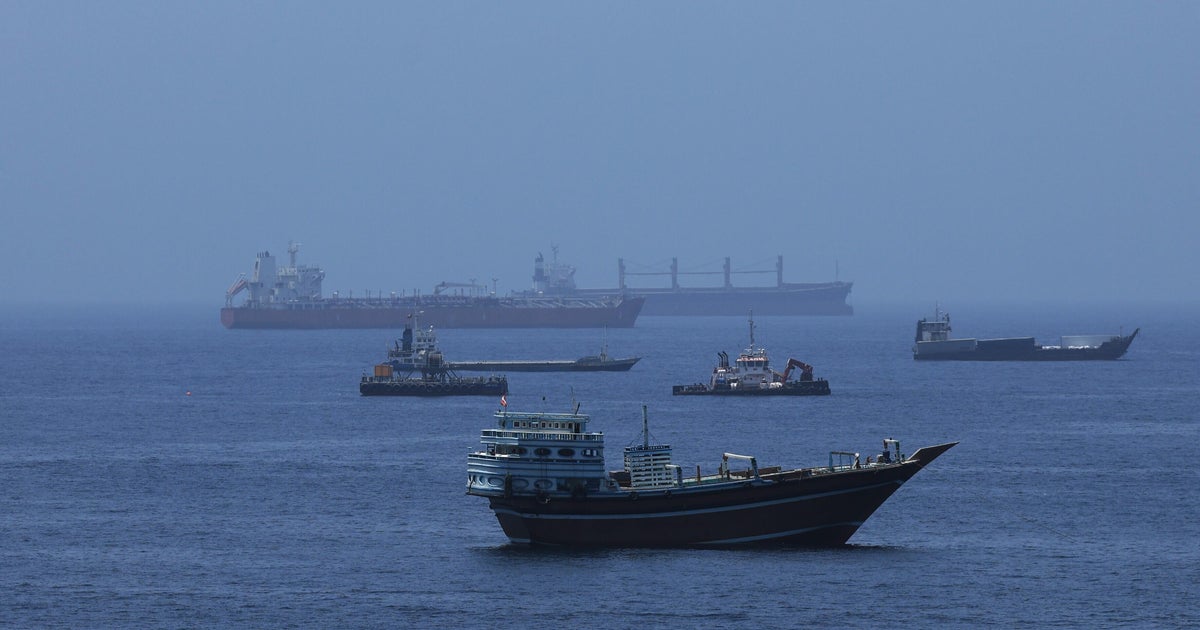
- Oman agreed to the framework of a deal with Iran to temporarily reopen the Strait of Hormuz, the global crude oil export route, according to two Middle East diplomats.
- The deal will establish new shipping routes: commercial vessels enter the Persian Gulf via an Iranian-controlled route and exit via an Omani-controlled route, without tolls.
- The proposal is a temporary agreement that could lay the foundation for a new ceasefire and the resumption of nuclear negotiations that collapsed in June.
- The United Nation's International Maritime Organization and the U.S. will be involved in the official announcement, and the arrangement has been endorsed by the Gulf Cooperation Council.
- The strait is a critical choke point through which about 20% of the world’s petroleum liquids must travel, and halted traffic has sent oil prices soaring and pressured the U.S. economy.
- President Donald Trump has balked at any deal granting Iran more control over the strait, but the deal could pave the way for resuming nuclear negotiations after the framework collapsed.
- A U.S. official stated that any temporary routes will be without impediments — no approvals, permissions, tolls, or charges — and that the Strait of Hormuz is an international waterway no party controls.
Oman and Iran have reached a temporary agreement to reopen the critical Strait of Hormuz, a vital maritime route for global oil exports. The deal allows vessels to enter through an Iranian-controlled lane and exit via an Omani-controlled lane without tolls, as confirmed by multiple sources.141112
The agreement is seen as a potential stepping stone for renewed U.S.-Iran nuclear negotiations, which had stalled following a series of tit-for-tat strikes in the strait. A U.S. official noted, “Any temporary routes will be without any impediments — meaning no approvals or permissions and no tolls or charges.”56

The Strait of Hormuz is a narrow but critical choke point through which approximately 20% of the world’s petroleum liquids must travel to reach the Arabian Sea, making it essential for global energy markets. The ongoing tensions have led to a significant slowdown in commercial shipping traffic, causing global oil prices to soar and impacting the U.S. economy ahead of the midterm elections.
The United Nations’ International Maritime Organization and the U.S. are expected to be involved in the official announcement of the agreement, which has also received endorsement from members of the Gulf Cooperation Council. This development comes as President Donald Trump has expressed reluctance to grant Iran more control over the strait, highlighting the delicate balance of power in the region.910
“The agreement, endorsed by the Gulf Cooperation Council, could lay the groundwork for a new ceasefire and resumption of nuclear talks that collapsed in June. The strait carries about 20% of the world's petroleum liquids, and halted traffic has sent oil prices soaring.”


 MS NOW