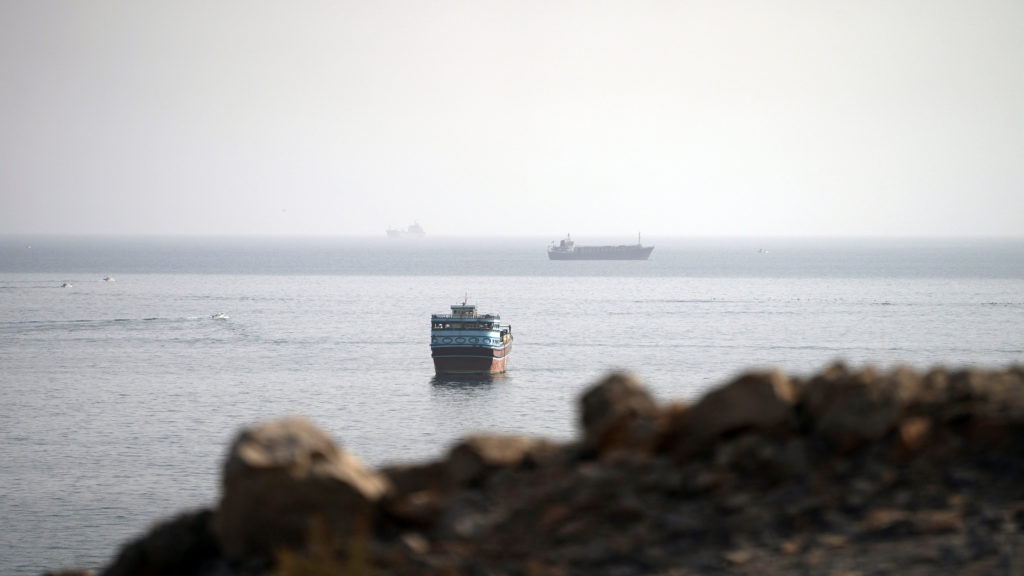
- The Strait of Hormuz is a critical maritime chokepoint, and Iran demands a toll as high as seven per cent of the cargo price for safe passage, while Donald Trump claims the Strait is open.
- Oman has asked for 3 per cent of cargo value, while India and China seek discounts, and Iran promises special treatment for friendly countries.
- European nations publicly oppose the toll but privately consider paying it as a voluntary contribution to avoid long-term energy supply disruptions.
- Gulf countries and Asian nations are seeking alternatives or exemptions from the toll, with the UAE reducing its use of the Strait to zero and expanding eastern ports, and Saudi Arabia diverting crude exports via the East-West pipeline and Red Sea coast.
- Iraq has begun transporting crude overland to Syria to bypass the Persian Gulf, and a revived Iraq-Syria pipeline could expand exports.
- India hopes the IMEC corridor will secure its energy needs, while China pivots to renewables, but these workarounds are expensive and face delays.
- IMEC was designed for peacetime and now appears ill-suited to an environment where maritime chokepoints are weaponised, requiring a redesign.
- A likely solution is a semantic workaround: let Iran charge a toll but call it a fee, keeping it feasible for consumers.
Iran and Oman are asserting tolls for the Strait of Hormuz, with Iran proposing a charge of up to seven percent of cargo value. This move has prompted Gulf and Asian nations to seek alternatives, as Donald Trump maintains that the strait remains open for navigation.12356712
The United Arab Emirates has opted to cease using the strait entirely, expanding its eastern ports on the Gulf of Oman and enhancing reliance on Al Fujairah port, which bypasses the strait. Saudi Arabia is also diverting crude exports through its East-West pipeline to the Red Sea, while planning to boost trade through Egypt.
In response to Iran's toll demands, India is looking towards the IMEC corridor, which aims to connect Europe to the Arabian Peninsula and India, as a potential alternative to the maritime chokepoints. However, these alternatives are costly and may take years to implement.91011
A possible solution could involve labeling the toll as a fee to appease international stakeholders. Oman has requested a 3 percent charge, while nations like New Delhi and Beijing are negotiating for discounts, hoping that long-term relations with Iran will yield favorable terms.
“We will definitely consider special treatment for the countries that were friendly to us,” said Iran’s Ambassador to China, indicating a potential for diplomatic negotiations amidst the rising tensions.
“Oman has asked for 3 per cent of cargo value, while India and China seek discounts, and Iran promises special treatment for friendly countries. Europeans quietly consider paying a voluntary contribution to avoid long-term energy supply disruptions.”
 The Independent