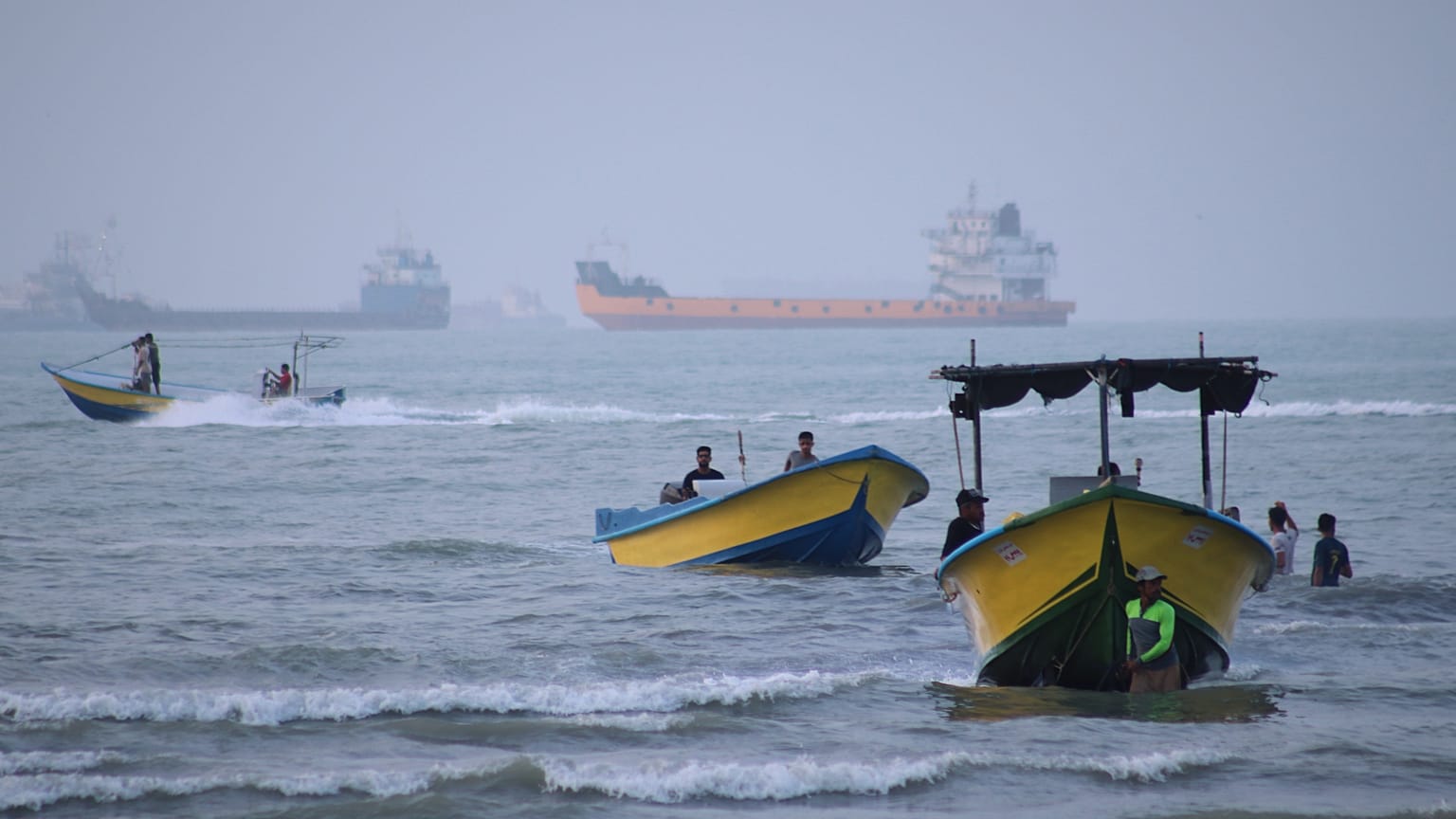
- Iran and Oman are progressing on a deal to reopen shipping through the disputed Strait of Hormuz, which could help wind down the war in the Middle East.
- Iranian Foreign Ministry spokesman Esmail Baghaei stated that the bilateral talks with Oman are focused on establishing safe inbound and outbound shipping lanes.
- Baghaei described the ongoing talks as ‘positive’ at both the technical and political levels.
- The emerging agreement suggests that ships will enter the Persian Gulf through an Iranian-controlled route and exit through an Omani-controlled route.
- Negotiations are still underway, and the final agreement could take a different form, but any deal seems to depend on the US lifting its blockade on Iran’s ports.
- A US official indicated that Washington remains committed to returning to the status quo where no party controls the lanes or the ability to transit through them.
- Iran’s state-owned Press TV reported that talks between Tehran and Muscat have entered ‘a new phase’, with a bilateral understanding within reach.
Iran and Oman are advancing negotiations to reopen the vital Strait of Hormuz, a key maritime route for global oil shipments. The talks, described as positive by Iranian Foreign Ministry spokesman Esmaeil Baghaei, aim to establish safe shipping lanes that respect the sovereign rights of both nations.1
The proposed agreement involves ships entering the Persian Gulf through an Iranian-controlled route and exiting via an Omani-controlled route. Service fees would be charged for security and environmental protection, according to two regional officials who spoke to AP on condition of anonymity. However, the deal's success hinges on the US lifting its blockade on Iran's ports, which has been a significant point of contention.45

A senior Iranian source indicated that Iran seeks control over inbound shipping and visibility over outbound traffic, with the ability to intervene if necessary. The US has previously ruled out any deal that would grant Iran control over the strait, viewing it as a strategic concern. US President Donald Trump has reiterated his opposition to tolling in the strait, stating, "I’m not going to let them charge."
Despite these challenges, diplomatic efforts are gaining momentum, with both Iran and the US signaling that a deal could be imminent. Trump has warned that if negotiations fail, Iran will face severe consequences, stating, "The strait is going to be open very soon, or they’re going to get hit very hard."
“The emerging agreement would have ships enter via an Iranian-controlled route and exit via an Omani-controlled route, with service fees for security and environmental protection, but depends on the US lifting its blockade on Iran's ports. Trump warns the Strait of Hormuz will open 'very soon', or Iran will be 'hit very hard'.”


 Euronews



