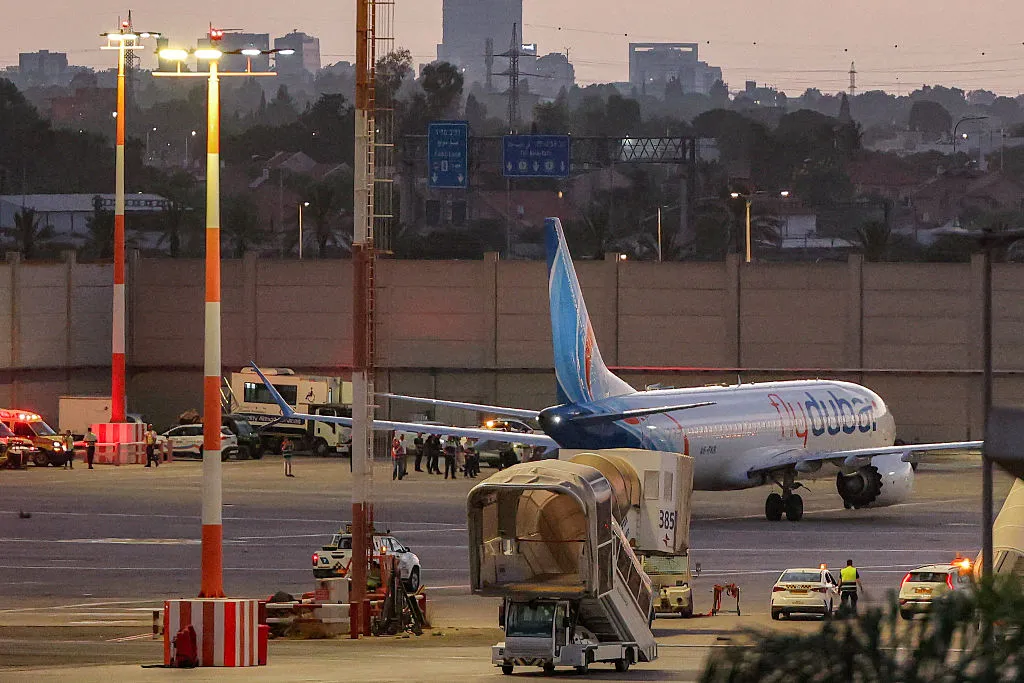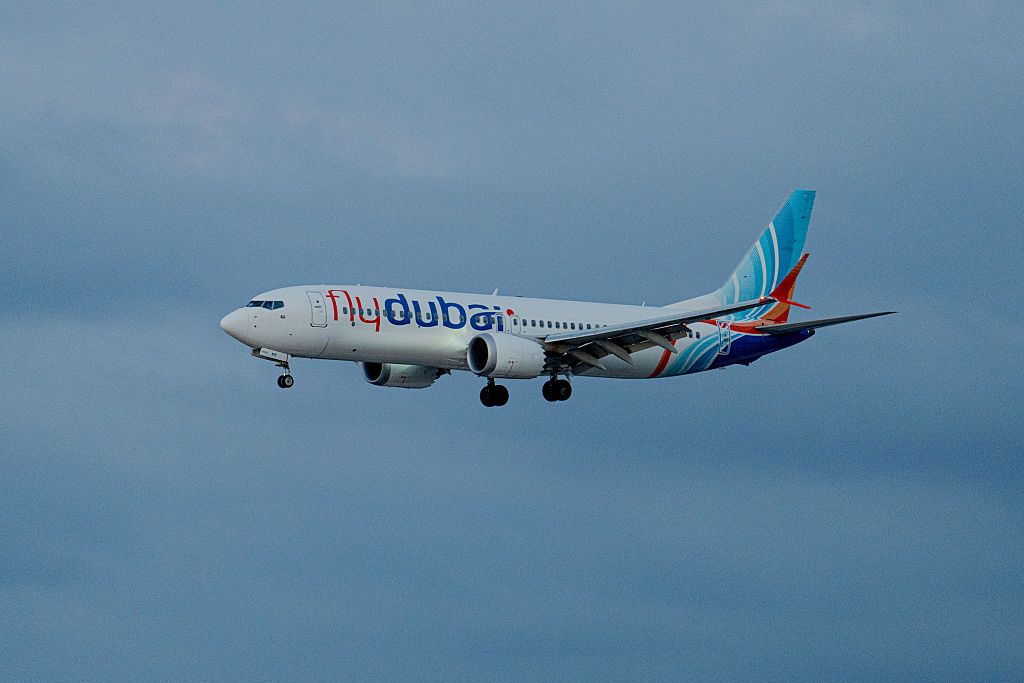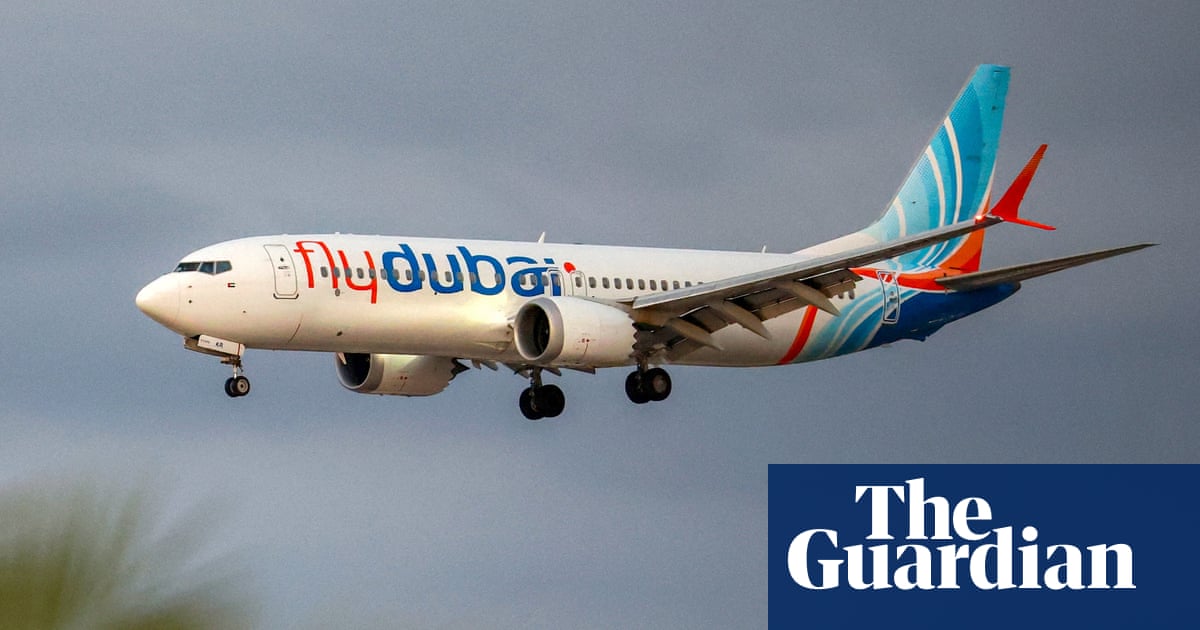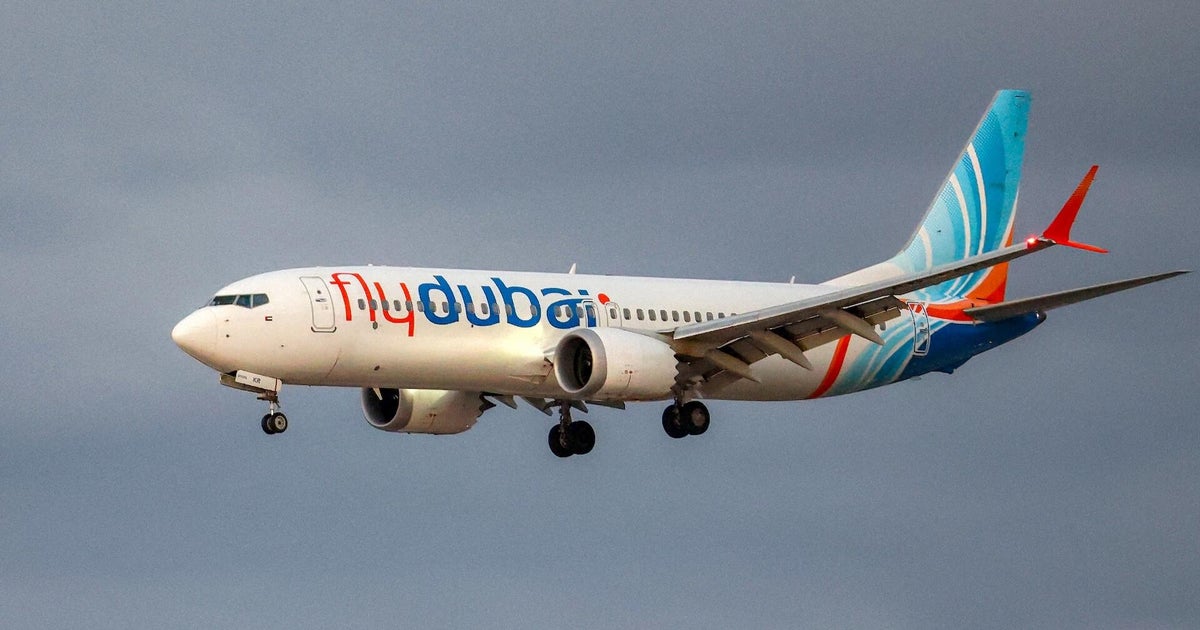
- Israel was prepared to shoot down a FlyDubai plane after the captain was attacked in the cockpit, even with over 150 Israelis on board, according to two Israeli sources with direct knowledge.
- After the plane plunged 14,000 feet, the Israeli Air Force tried to contact the cockpit but got no answer; a pre-established committee was roused and a command center established.
- Fighter jets were scrambled and Israel's airspace was closed, but Israel called back the jets once it realized the plane turned toward Saudi Arabia, about 400 miles from Israel, and the Saudis scrambled their own jets.
- If Flight 1073 had gotten within a certain distance, Israel would have sent jets into Jordanian airspace to investigate; the fighter pilots would get as close as possible to inspect the cockpit and make visual contact.
- If it was determined the plane was hijacked and the potential hijackers maintained radio silence, the committee would get the defense minister and the prime minister on a call; the protocol calls for a rogue flight to be shot down, but only the prime minister could make that decision.
- Shooting down the passenger jet was considered better than many hundreds being killed if a rogue plane slammed into Israel's Azrieli buildings, the airport, or another "high-value target."
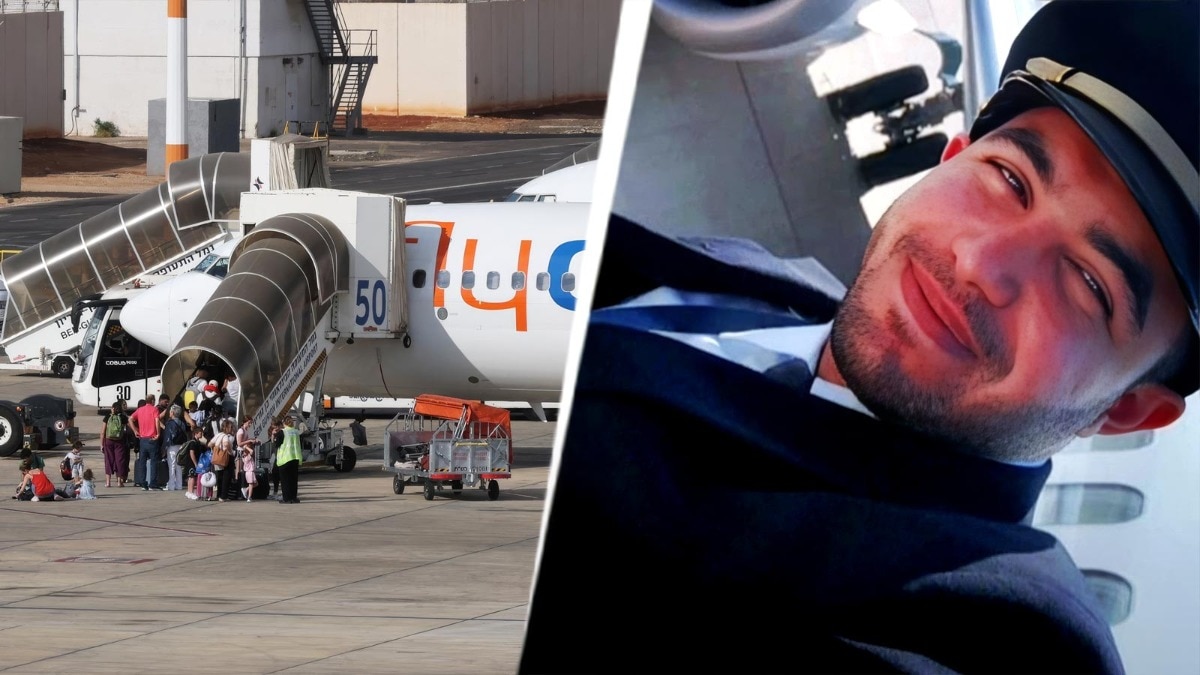
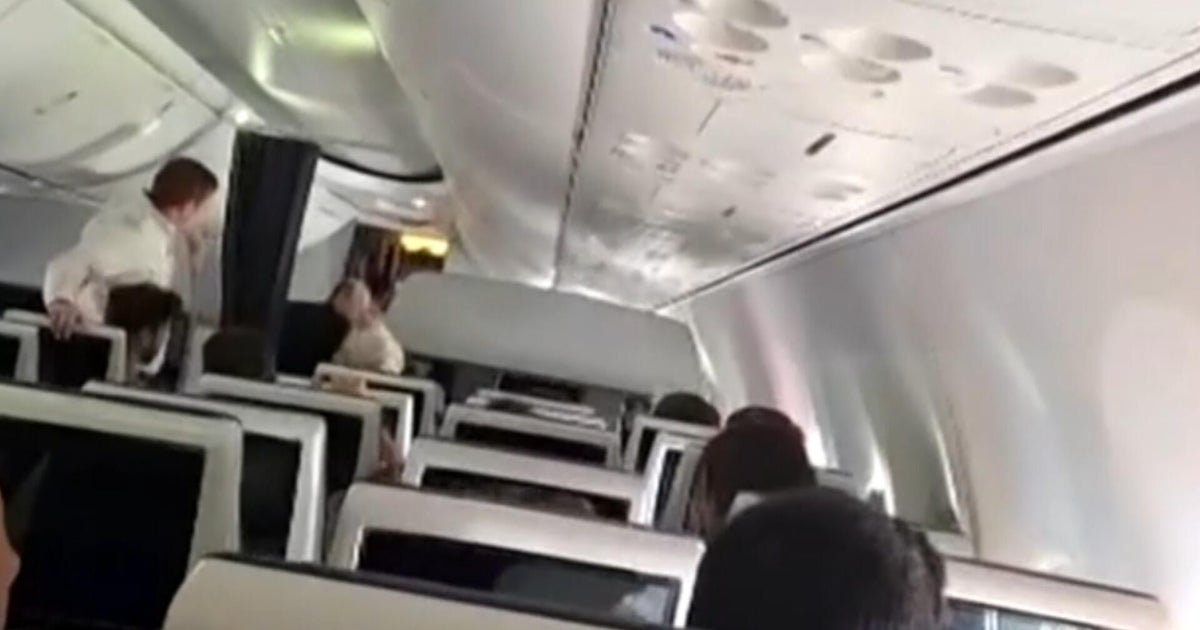
Israel was prepared to shoot down a FlyDubai flight after the captain was attacked in the cockpit, leading to a dramatic plunge of 14,000 feet. The incident occurred as the flight approached Israel, prompting the Israeli Air Force to scramble jets and close airspace.123
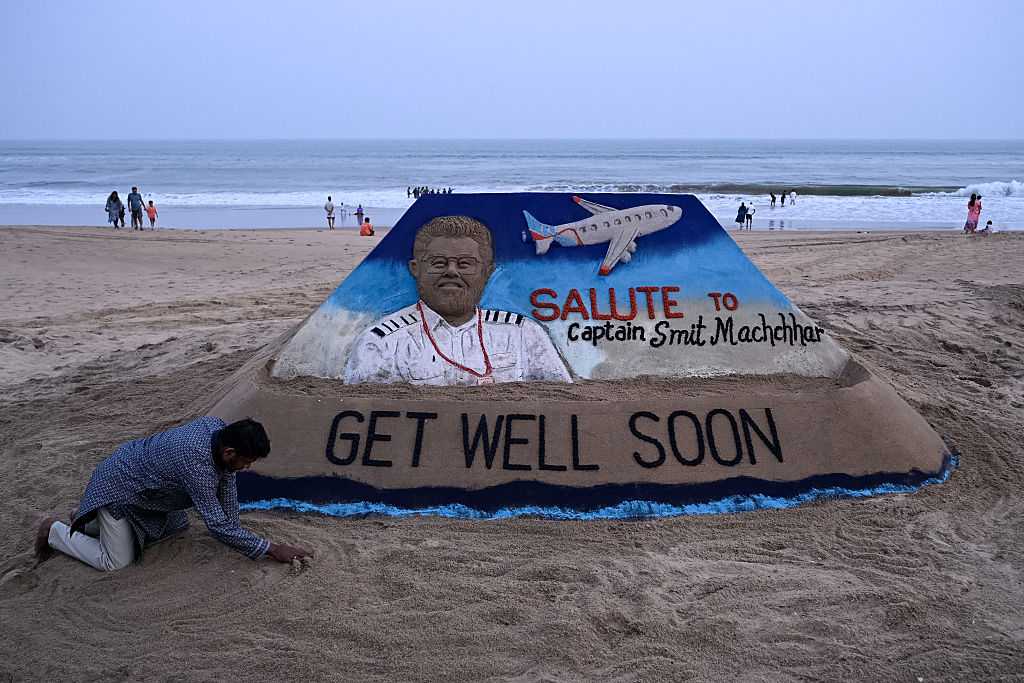
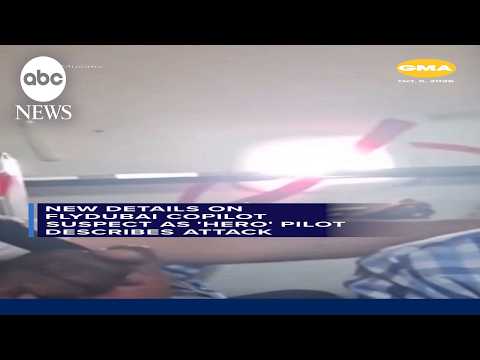
According to sources, the captain fought off the co-pilot long enough to unlock the cockpit door, allowing a group of Israeli passengers and FlyDubai staff to overpower the assailant. Two off-duty pilots on board then took control of the aircraft, successfully making an emergency landing in Tabuk, Saudi Arabia.45
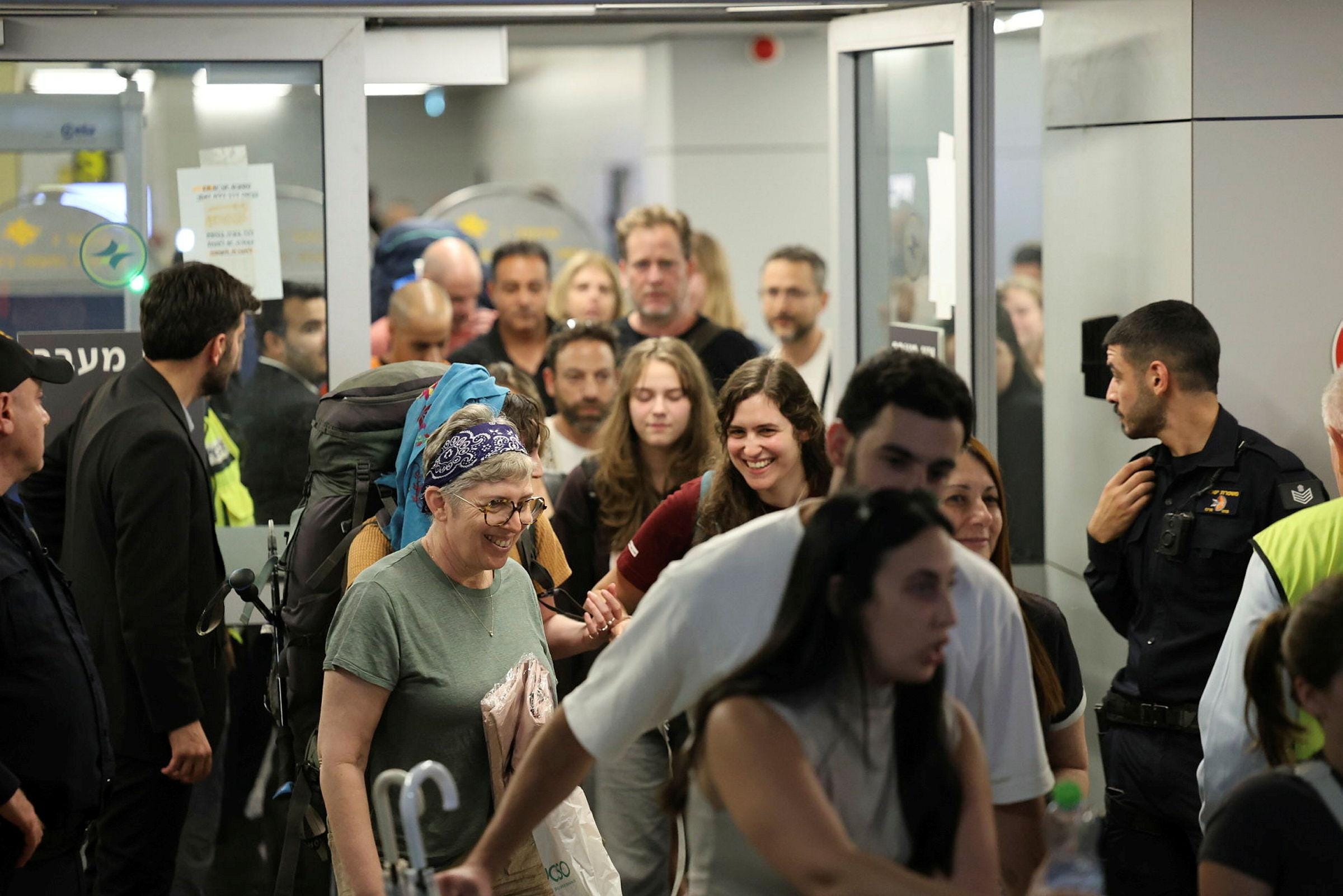
The situation escalated when the plane, with over 150 Israelis on board, plunged towards a potential crisis. Israeli Prime Minister Benjamin Netanyahu and other officials were alerted, and a pre-established committee was activated to handle the emergency. Fighter jets were prepared to intercept the aircraft, and Israel's airspace was closed.89
However, once it was determined that the plane was turning towards Saudi Arabia, the jets were called back. Sources indicated that had the flight approached closer to Israel, military action would have been considered to prevent a potential hijacking or attack on high-value targets.
The protocol for such situations dictates that only the prime minister can authorize the shooting down of a passenger jet, a decision weighed against the risk of hundreds of lives lost if the plane were to crash into a populated area.
“The Israeli Air Force scrambled fighter jets and closed airspace after the plane plunged 14,000 feet, but called back jets when it turned toward Saudi Arabia, about 400 miles away. A pre-established committee was roused, and only the prime minister could authorize shooting down the rogue flight.”


 CBS News