Sources: 

Interstellar comet 3I/ATLAS, which likely originated in an isolated, frigid region of the galaxy, is impressively thought to be up to
11 billion years old, significantly older than the Sun. Observations made by a team from the University of Michigan using the
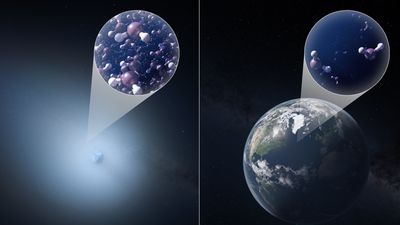
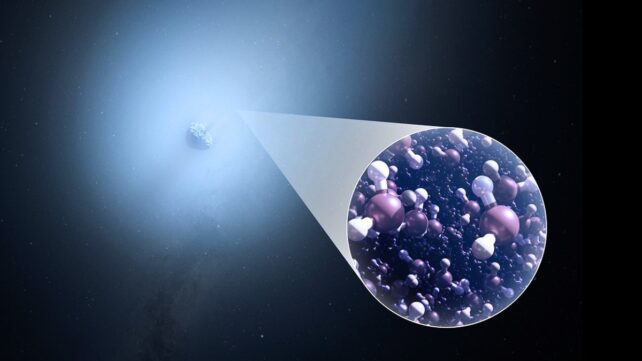
ALMA observatory indicate that this comet is composed of a unique chemical signature, featuring a remarkable ratio of semi-heavy water (HDO) to regular water (H2O).
3I/ATLAS contains over 30 times more HDO than any comet found within our solar system and over
40 times the ratio found in Earth’s oceans.
This high concentration of semi-heavy water suggests it formed in a distinctly colder environment, with temperatures approximating
-243°C (-406°F), conditions unlike those present when our solar system was formed. According to lead author Luis E. Salazar Manzano, the
chemical processes that enhance deuterated water are particularly sensitive to temperature and require environments colder than about
30 Kelvin. The cloud of gas that led to the formation of this comet and its originating star likely had very different conditions compared to the area where our solar system and other local comets formed. Such findings provide invaluable insights into the formation of cosmic bodies and their environmental conditions in differing parts of the galaxy.
Sources: Astronomers revealed that interstellar comet 3I/ATLAS, originating from an extremely cold region of the galaxy, contains over 30 times more semi-heavy water than any comet in our solar system, indicating a formation environment significantly colder than that of our solar neighborhood, potentially 11 billion years old.