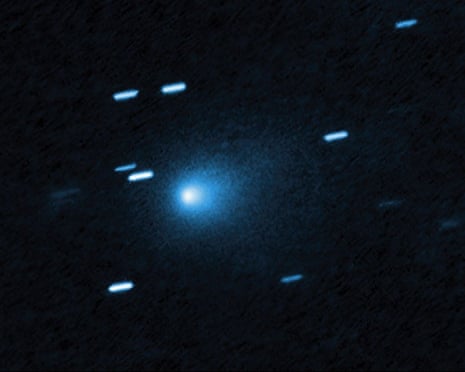
- Interstellar comet 3I/ATLAS may be the oldest object observed in our solar system, with estimates suggesting it could be up to 12 billion years old.
- The comet has 10 times more deuterium than typical solar system comets, indicating a unique chemical composition.
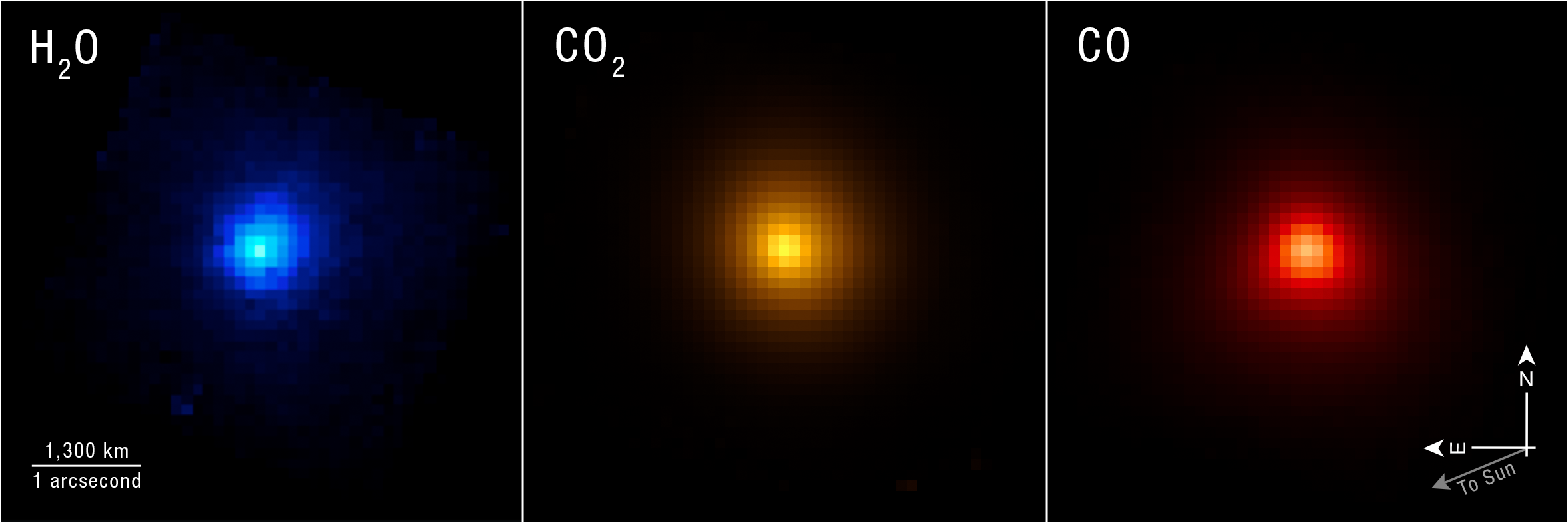
- NASA's James Webb Space Telescope played a crucial role in mapping the chemical contents of comet 3I/ATLAS as it moved away from the Sun.
- The isotopic evidence suggests that 3I/ATLAS formed in an environment that was -243°C (-405.4°F), making it one of the coldest objects ever observed.
- The comet's lack of chemical enrichment suggests it formed relatively close to stars being born, possibly as a relic from the era of cosmic noon.
- The previous interstellar objects, 1I/'Oumuamua and 2I/Borisov, were not bright enough to gather isotopic evidence.
- 3I/ATLAS is unlike anything previously seen in our cosmic backyard, with astronomers noting its unprecedented results.
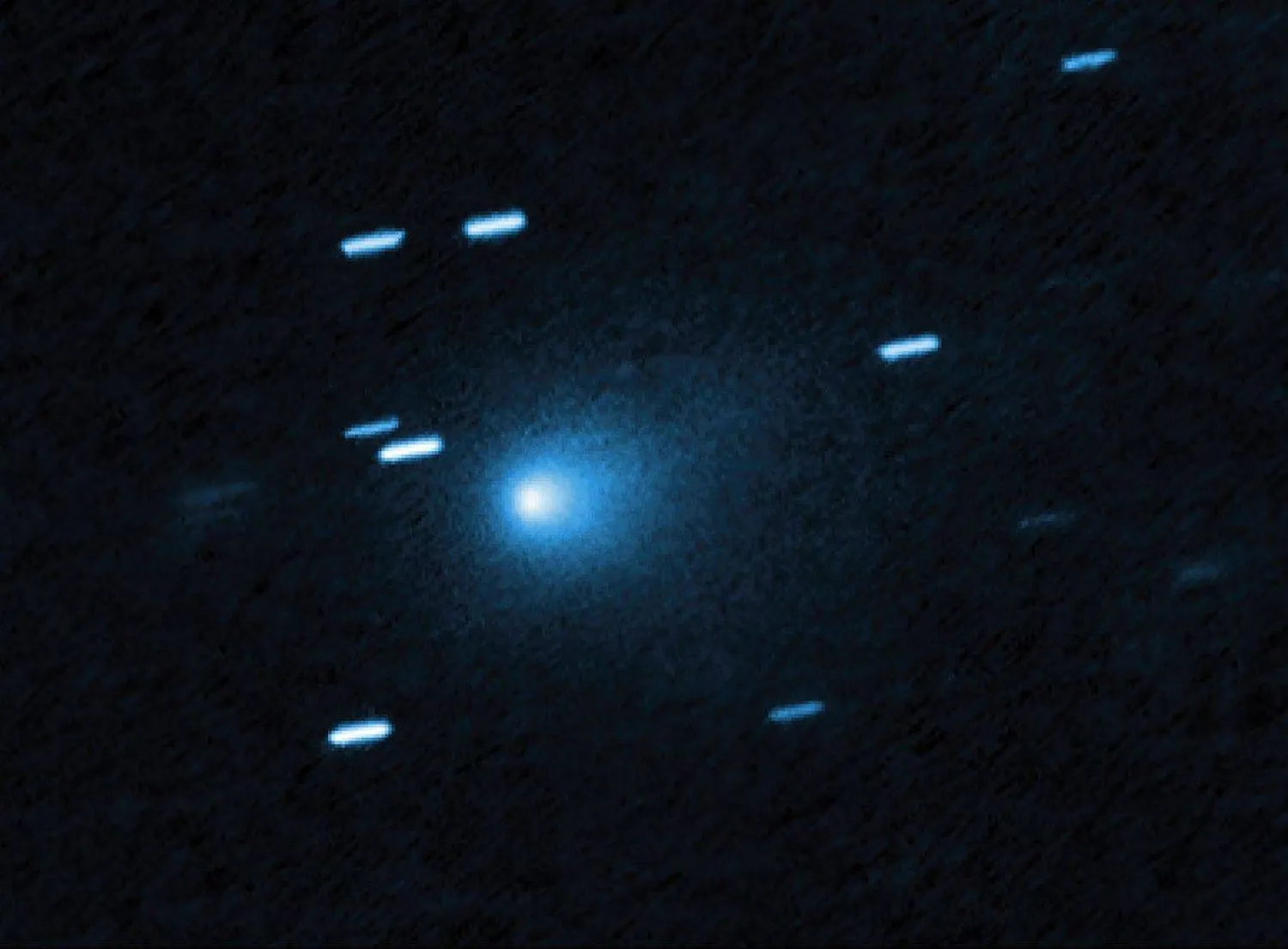
Interstellar comet 3I/ATLAS, which passed near the Sun last year, may be the oldest object observed in our solar system, with estimates suggesting it could be up to 12 billion years old. The findings, published in the journal Nature, reveal a unique chemical composition that sets it apart from solar system comets.129
Lead study author Martin Cordiner from NASA's Goddard Flight Center stated, “maybe it’s the oldest object to have been observed in our solar system.” The comet exhibits 10 times more deuterium than typical solar system comets, indicating it formed in a frigid environment of -243°C (-405.4°F).35
The isotopic evidence suggests that 3I/ATLAS spent billions of years on “vast unimaginable trajectories around our galaxy,” Cordiner noted. The comet's lack of chemical enrichment implies it formed relatively close to stars being born, possibly making it a “relic” from the era of “cosmic noon,” when star formation peaked around 10 billion years ago.67
Using the NIRSpec instrument on NASA’s James Webb Space Telescope, researchers captured detailed measurements of the comet's chemical components, including ratios of carbon and deuterium not found in solar system comets. The abundance of heavy water suggests that 3I/ATLAS spent its formative years in a deeply frozen state.
“Finding these rare isotopes is fascinating,” Cordiner added, emphasizing the implications for understanding prebiotic chemistry elsewhere in the galaxy. Several astronomers praised the “unprecedented” results, marking the beginning of an exciting new field of study.
“New research suggests that interstellar comet 3I/ATLAS could be nearly 12 billion years old, making it potentially the oldest object observed in our solar system. The study highlights its unique chemical composition, including exceptionally high levels of deuterium, and suggests it formed in a cold environment far from stars.”
 The Guardian