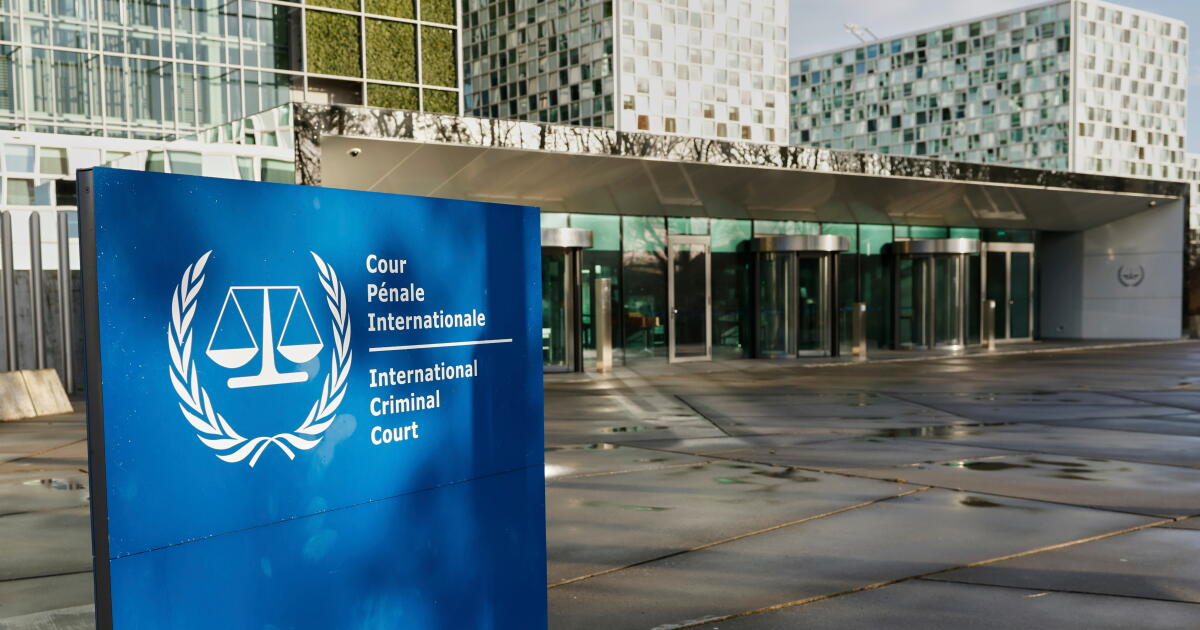
- The European Parliament awarded the Sakharov Prize to the International Criminal Court (ICC) and its officials, recognizing their work amid U.S. sanctions.
- ICC President Tomoko Akane welcomed the award, stating it comes at a time of unprecedented challenges for the court and its officials.
- The Trump administration's sanctions cut off the court from U.S.-based financial services and technology companies, setting a six-month timeline for winding down business.
- EU leaders expressed regret over the sanctions and urged the U.S. to reverse them, noting the six-month delay creates space for diplomacy.
- The ICC and its officials were nominated for the prize by the Socialist and Democrats group in the European Parliament, which stated it was proud to support their candidacy at a time when international justice is under attack.
- The EU tasked the European Commission to take initiatives to protect the ICC and mitigate the impact of the sanctions, including a possible blocking statute to prevent compliance with U.S. measures.
The International Criminal Court (ICC) has been awarded the EU's Sakharov Prize for human rights, highlighting its crucial role in international law amidst escalating challenges.1
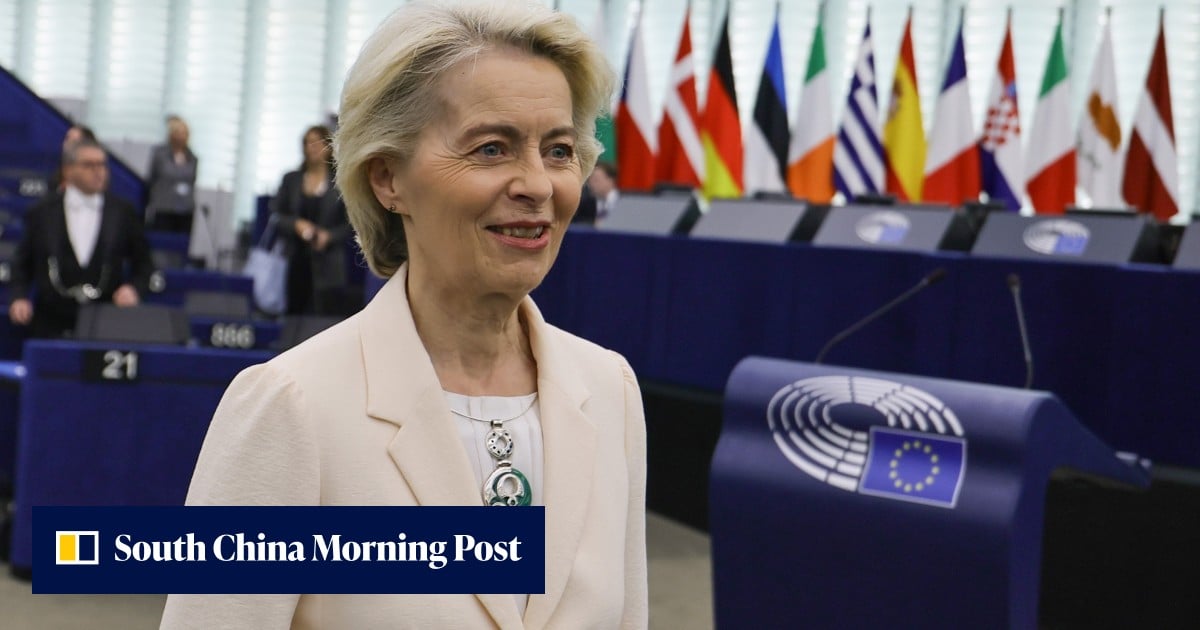
“The European Union is built on respect for multilateralism and international institutions,” stated European Parliament President Roberta Metsola, emphasizing the significance of the award.
The ICC faces unprecedented challenges due to U.S. sanctions that cut off its access to financial services and technology.2
The Trump administration's measures, which include a six-month timeline for U.S. entities to cease business with the court, have drawn criticism from EU leaders.
They expressed deep regret over the sanctions and urged the U.S. to reconsider, noting that “this creates space for diplomacy.”56
The EU is prepared to take necessary actions, including implementing a blocking statute to protect European court staff from U.S. compliance.910
The ICC was nominated for the Sakharov Prize by the Socialist and Democrats group in the European Parliament, which stated it was “proud to have put forward their candidacy at a time when international justice is under attack.”78
ICC President Tomoko Akane welcomed the award, stating it reaffirms the importance of independent judicial institutions.
The award and the sanctions highlight the ongoing tension between the U.S. and international judicial bodies, raising questions about the future of global justice.
“The award came days after the Trump administration announced sanctions that cut off the court from U.S. financial services and set a six-month wind-down. EU leaders, urging reversal, said the delay 'creates space for diplomacy' and pledged readiness to take all necessary measures.”