
- At least 65 primary and secondary schools across northern Nigeria have been closed or can no longer function normally because of insecurity, new findings have shown, with the affected institutions spread across dozens of local government areas in multiple states.
- Schools in Sokoto, Benue, Plateau, Borno, Kaduna and Kebbi states have been closed, with academic activities also disrupted in parts of Katsina, Adamawa and other northern states.
- Bandit and terrorist attacks have driven the shutdowns, abductions of pupils and teachers, displacement of entire communities, and widespread fear of further violence targeting schools.
- Thousands of children remain without regular access to classroom education due to the closures.
- The Safe Schools Initiative was launched in 2014 following the abduction of 276 schoolgirls from Government Girls Secondary School, Chibok, in Borno state.
- More than $30 million has been mobilised for the Safe Schools Initiative since it was established.
- The National Plan on Financing Safe Schools for 2023 to 2026 has a projected total investment of N144.86 billion.
- Despite these commitments, attacks on schools and the communities around them have continued to push children out of education across northern Nigeria.
- Insecurity has forced the closure of numerous primary schools across Kwande, Gwer West, Guma and Logo local government areas in Benue.
- Schools in 20 of Sokoto's 23 local government areas have been shut following security concerns, according to the state government.
- Insecurity has disrupted academic activities in Riyom and Barkin Ladi LGAs in Plateau State.
- Renewed attacks in Borno have disrupted schooling in Askira-Uba Local Government Area.
- Insecurity has led to prolonged closures of schools in several frontline LGAs in Katsina State.
- At least 188 public schools were documented as shut across six northern states in a 2025 investigation.
Insecurity in northern Nigeria has led to the closure of at least 65 schools, affecting 40 local government areas and leaving thousands of children without access to education. The closures are primarily due to bandit and terrorist attacks, which have resulted in the abduction of pupils and teachers, as well as the displacement of entire communities.34
Schools in states such as Sokoto, Benue, Plateau, Borno, Kaduna, and Kebbi have been particularly hard hit, with academic activities also disrupted in parts of Katsina and Adamawa. Some schools have remained closed for extended periods, while others have merged with institutions in safer areas or relocated students to alternative centers to continue learning.
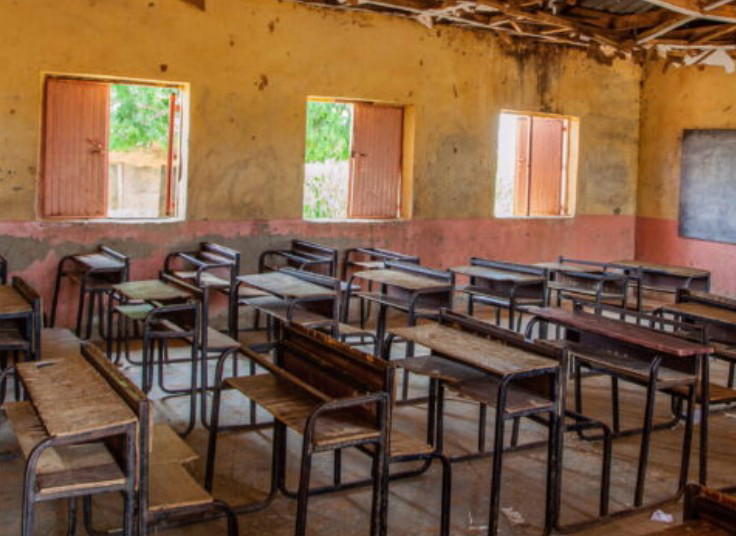
This situation has reignited concerns over Nigeria's out-of-school crisis, which has persisted despite the government's efforts through the Safe Schools Initiative launched in 2014, following the infamous abduction of 276 schoolgirls from Chibok. Over $30 million has been mobilized for this initiative, aimed at protecting schools in high-risk areas.
The federal government has also introduced a National Plan on Financing Safe Schools for 2023 to 2026, with a projected investment of ₦144.86 billion. However, the ongoing violence continues to undermine these efforts, leaving many children without regular access to education and raising fears about the long-term impact on their futures.
“At least 65 schools are affected, with Sokoto alone closing schools in 20 of its 23 LGAs. The Safe Schools Initiative, launched after the 2014 Chibok abduction, has mobilized over $30 million, yet closures continue, prompting a Senate investigation into the program's effectiveness.”




