- A magnitude-7.7 earthquake struck eastern Indonesia, triggering tsunami warnings that caused residents to flee in panic.
- Rescue teams in eastern Indonesia recovered six more bodies after the earthquake, bringing the death toll to 53, with thousands displaced.
- Authorities recorded 995 aftershocks, of which only 46 were felt, and 135 people were injured, according to Abdul Muhari of the National Disaster Management Agency.
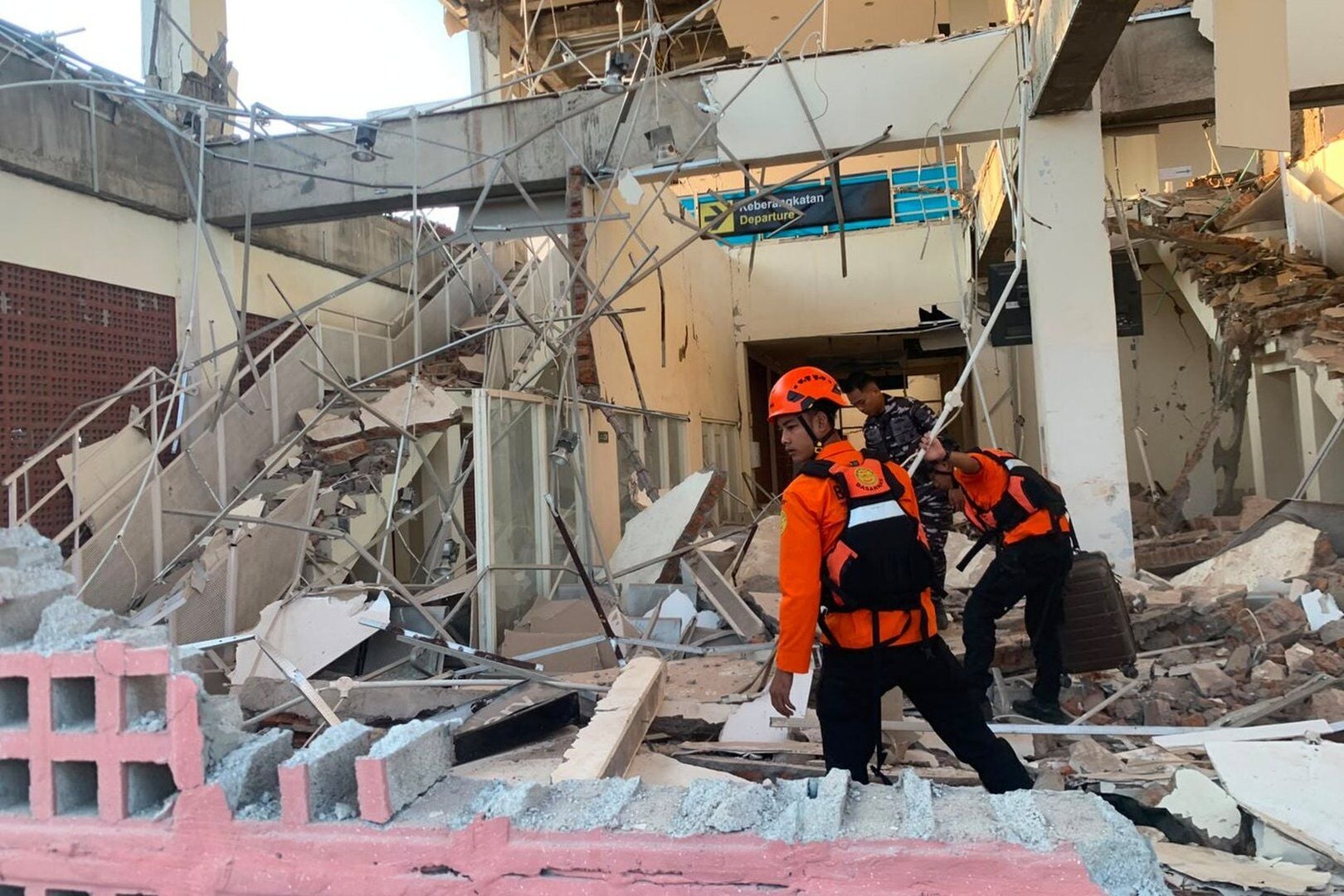
- Rescuers dug through debris looking for people feared buried beneath landslides across six regencies on Flores, focusing on the hardest-hit Manggarai, East Manggarai, and Nagekeo.
- Landslides blocked sections of the Trans-Flores Highway, while relief workers distributed supplies and set up shelters; restoring electricity and communications remained major challenges.
- The agency reported more than 900 homes destroyed and 450 more damaged in East Nusa Tenggara, forcing about 5,000 people into temporary shelters; at least 241 homes were damaged in Flores region alone.
- Many residents at Labuan Bajo, gateway to Komodo National Park, spent the night outdoors fearing aftershocks; one farmer described the shaking as terrifying and nearly collapsing her house.
A magnitude-7.7 earthquake struck Indonesia's Flores region on Sunday, resulting in at least 53 fatalities and displacing thousands. The quake, which occurred at a depth of 10 kilometers at 5:58 a.m. local time, triggered widespread panic and led to tsunami warnings that were later lifted.145
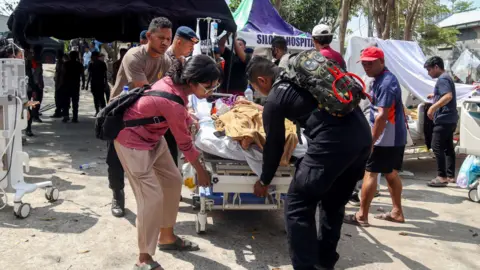
Rescue teams have been tirelessly digging through debris and landslides across six regencies, particularly focusing on the hardest-hit areas of Manggarai, East Manggarai, and Nagekeo. Abdul Muhari, chief for disaster prevention at the National Disaster Management Agency, reported that 995 aftershocks have been recorded, with only 46 felt by residents. Additionally, 135 people were injured in the disaster.3
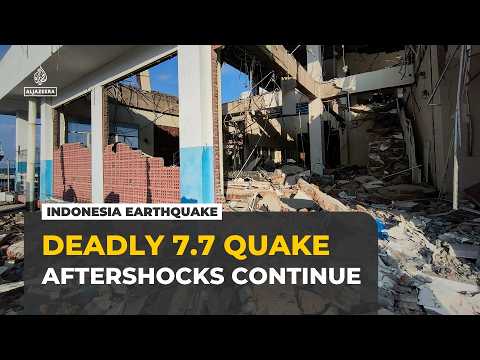
The earthquake caused significant structural damage, with over 900 homes destroyed and 450 more damaged, forcing approximately 5,000 people into temporary shelters. Many residents, including Anastasia Imad, expressed fear of aftershocks, with some spending the night outdoors. “The shaking was terrifying, so intense that my house nearly collapsed,” she recounted.910
Landslides have obstructed the Trans-Flores Highway, complicating access to remote communities. Relief workers are distributing essential supplies, including rice, water, and medicine, while efforts to restore electricity and communication continue amidst the ongoing challenges posed by the disaster.678
“Authorities recorded 995 aftershocks, with only 46 felt, and 135 injured, said Abdul Muhari of the National Disaster Management Agency. More than 900 homes were destroyed and 450 damaged, forcing about 5,000 people into temporary shelters, while landslides blocked the Trans-Flores Highway.”


 The Globe and Mail