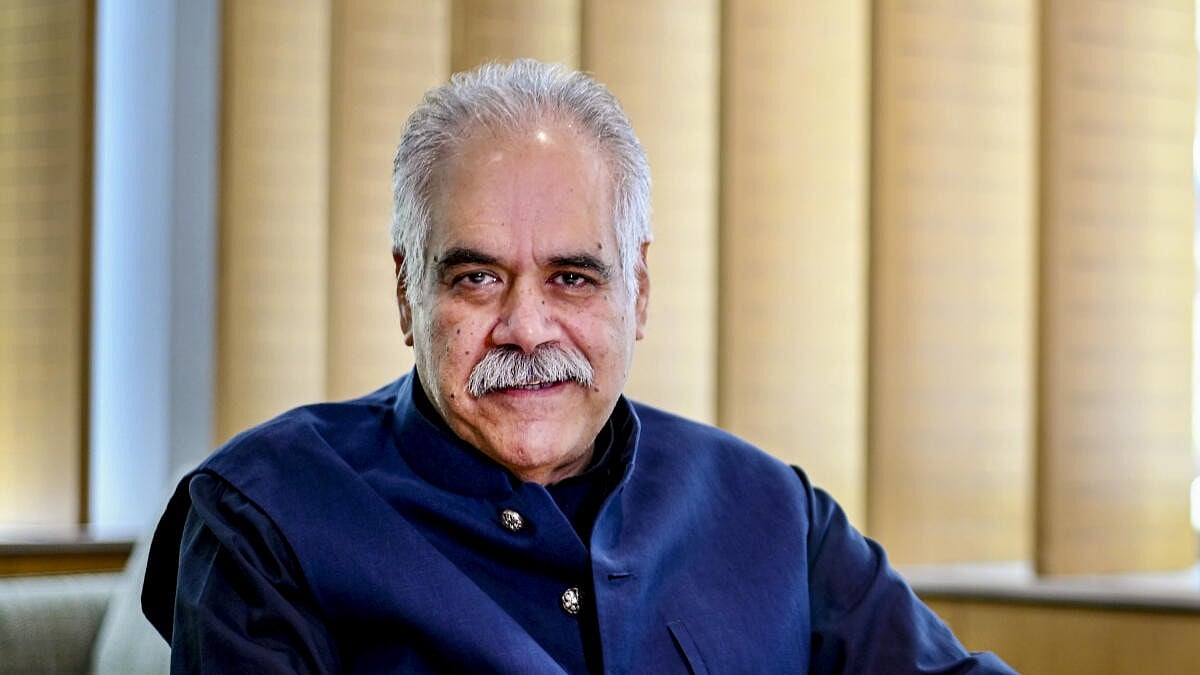
- Rahul Bhatia, Managing Director of IndiGo, has urged the government to cut taxes and rationalise airport charges, stating that lower airfares would unlock 'massive' demand in India's rapidly growing aviation market.
- Bhatia criticized the current taxation approach, saying, 'On the one side, we say that flying by air has become a public utility, yet we treat taxes on it as if it’s an elitist mode of transport.'
- IndiGo controls 66.3% of India's domestic market and has absorbed cost pressures instead of passing them on to passengers, with airfares rising only 1% to 3% despite a 12% inflation rate.
- Bhatia also highlighted that User Development Fee charges at airports have increased by 95% and landing and parking charges by 34%.
- ALPA India has rejected Bhatia's claims regarding pilot duty rules, attributing the pilot shortage to anti-competitive practices rather than fatigue regulations.
- Bhatia has called for a review of India's pilot flight duty time rules, stating that these norms make the aviation sector 'uncompetitive' compared to global standards.
- The rules increased mandatory weekly rest from 36 hours to 48 hours and limited night flying, which Bhatia argues diminishes productivity.
IndiGo Managing Director Rahul Bhatia has called on the Indian government to reduce aviation taxes and rationalize airport charges, asserting that such measures would unlock massive demand in the country's burgeoning aviation market. Bhatia criticized the current taxation framework, stating, “On the one side, we say that flying by air has become a public utility, yet we treat taxes on it as if it’s an elitist mode of transport.”134

With IndiGo controlling 66.3 percent of India's domestic market, Bhatia emphasized the airline's responsibility to adjust fares in response to rising operational costs, which are significantly impacted by aviation turbine fuel prices that account for around 40 percent of operating expenses. He noted that the airline industry is also grappling with increased oil prices and longer flight durations due to airspace restrictions linked to geopolitical tensions in West Asia.
Bhatia's remarks come as IndiGo prepares to celebrate 20 years of operations, during which it has grown to operate over 2,100 flights daily with a fleet of more than 400 aircraft. He has also called for a review of India's Flight Duty Time Limitations (FDTL), arguing that current regulations diminish cockpit productivity and inflate costs, making Indian aviation less competitive globally. “If India wants to compete with the world, then one cannot have FDTL regulations that are so far off the mark from global benchmarks,” he stated.
IndiGo's operational challenges have drawn regulatory scrutiny, particularly after a series of flight cancellations in December 2025, which led to a 10 percent reduction in its winter schedule by the Directorate General of Civil Aviation (DGCA).
“Bhatia highlighted that while inflation has risen by 12%, airfares have only increased by 1% to 3%, with airport charges soaring up to 95%. He emphasized that the Indian consumer's price sensitivity necessitates fare reductions to stimulate demand, as IndiGo prepares to celebrate 20 years of operations.”
 Deccan Herald



