- The Ministry of Road Transport and Highways has issued a draft notification proposing amendments to the Central Motor Vehicles Rules, 1989, for the phased introduction of Vehicle-to-Vehicle (V2V) communication systems.
- From October 1, 2027, vehicles in categories L, M and N manufactured on or after this date will have to comply with AIS-230 if they are fitted with V2V communication systems, although installation will not be compulsory at this stage.
- From October 1, 2028, new vehicles in categories L, M and N will be required to have V2V communication systems conforming to AIS-230.
- The government has invited comments for a 30-day consultation, with feedback due by the last week of August before the final notification is issued.
- The Department of Telecommunications exempted the 5.875 GHz to 5.925 GHz frequency band from licensing requirements on June 10, 2026, facilitating the use of V2V communication systems.
- A task force was constituted by the Ministry for the development and implementation of Intelligent Transportation Systems (ITS) in the country, with a specific emphasis on V2V communication.
India's Ministry of Road Transport and Highways has proposed draft rules that would require new vehicles to be equipped with Vehicle-to-Vehicle (V2V) communication systems by October 2028. This initiative aims to enhance road safety by enabling vehicles to exchange real-time information about potential hazards.16
The draft notification outlines that vehicles in categories L (two-wheelers and three-wheelers), M (passenger vehicles), and N (goods vehicles) manufactured from October 1, 2027, will need to comply with the AIS-230 standard if they are fitted with V2V systems, although installation will not be mandatory at this stage.23
From October 1, 2028, compliance will be compulsory for all new vehicles in these categories. The proposed AIS-230 standard includes features such as Emergency Brake Alert, Forward Collision Warning, Wrong-way Driving Alert, and Emergency Vehicle Alert, which are designed to improve vehicle situational awareness and reduce road accidents.
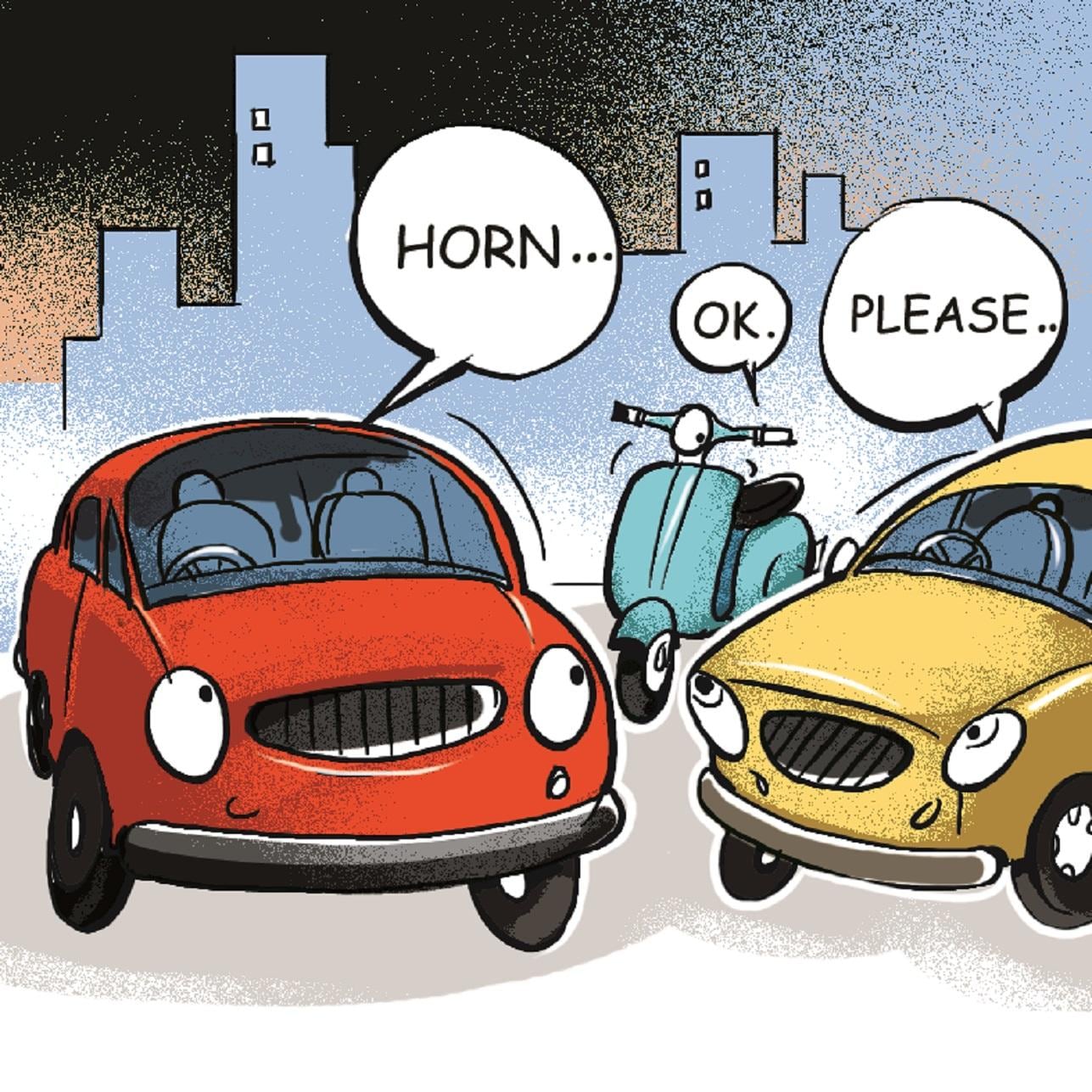
The V2V communication technology allows vehicles to share critical information, including speed, position, and direction, which can provide advance warnings in safety-critical situations. This system is expected to complement existing Advanced Driver Assistance Systems (ADAS) by offering information beyond the driver's direct line of sight.
The government has opened a consultation period for stakeholders to provide feedback on the draft rules, which may be revised before finalization. The phased approach aims to give manufacturers adequate time to adapt to the new requirements.
“The proposed AIS-230 standard covers Emergency Brake Alert, Forward Collision Warning, Wrong-way Driving Alert and Emergency Vehicle Alert, complementing ADAS beyond the direct line of sight. Stakeholders have until the last week of August to submit comments, after which the ministry will issue final guidelines.”




