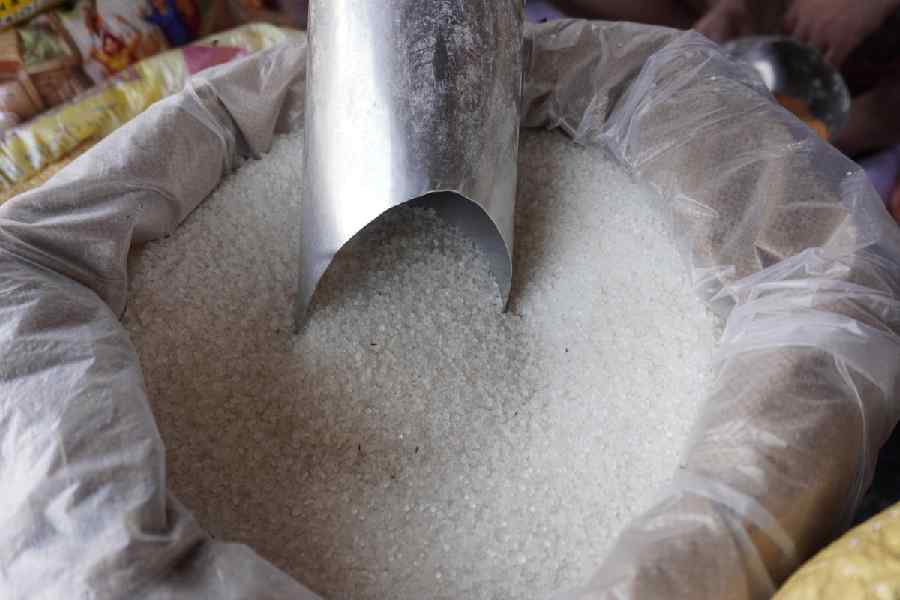
- Sugar prices rose over 15% from Rs 48.18 per kg in late July to Rs 55.70 by August 20.
- The government responded with a stock limit, inspections, and duty-free import of one million tonnes of raw sugar.
- Economists Ramesh Chand and Ashok Gulati differ on ethanol's blame; Chand argues it is not the principal cause, while Gulati states it added pressure.
- The production estimate for 2025-26 was revised down from 34.3 million tonnes to 30.6 million tonnes, a reduction of nearly 11%.
- Sugar production fell between 2021-22 and 2023-24 due to adverse weather and pests in major states like Maharashtra, Uttar Pradesh, Tamil Nadu, and Karnataka.
- Policy estimates projected higher production yields, but the import duty on sugar remained high, causing supply disruptions.
- Consumers already facing inflation and rising bills bear the burden, which bodes poorly for festive season consumer sentiment.
- Public disaffection may have political implications, with growing criticism of the government on price rise, unemployment, examination leaks, and inequality indicating a significant turn.
- For over a decade, Indian politics has centered on emotive issues like faith and cultural supremacy, relegating everyday material conditions to the margins.
- Persistent protests, led by India's youth, signal the return of politics to the material plane, which is a welcome development as tangible markers like commodity prices, jobs, and wages better indicate government performance.
Sugar prices in India have surged over 15% in just one month, escalating from ₹48.18 to ₹55.70 per kilogram. This spike has prompted the government to impose stock limits and permit duty-free imports of one million tonnes of raw sugar.2
The surge in prices is attributed to a combination of factors, including adverse weather conditions and pest infestations that have significantly reduced sugar production in key states like Maharashtra and Uttar Pradesh. Production estimates for 2025-26 have been revised down from 34.3 million tonnes to 30.6 million tonnes, a nearly 11% reduction, according to agricultural economist Ramesh Chand.3456
Despite the government's measures, the burden of rising sugar prices is felt by consumers, particularly as the festive season approaches. Public discontent over rising prices may have political ramifications, as criticism of the government grows amid broader economic challenges.89

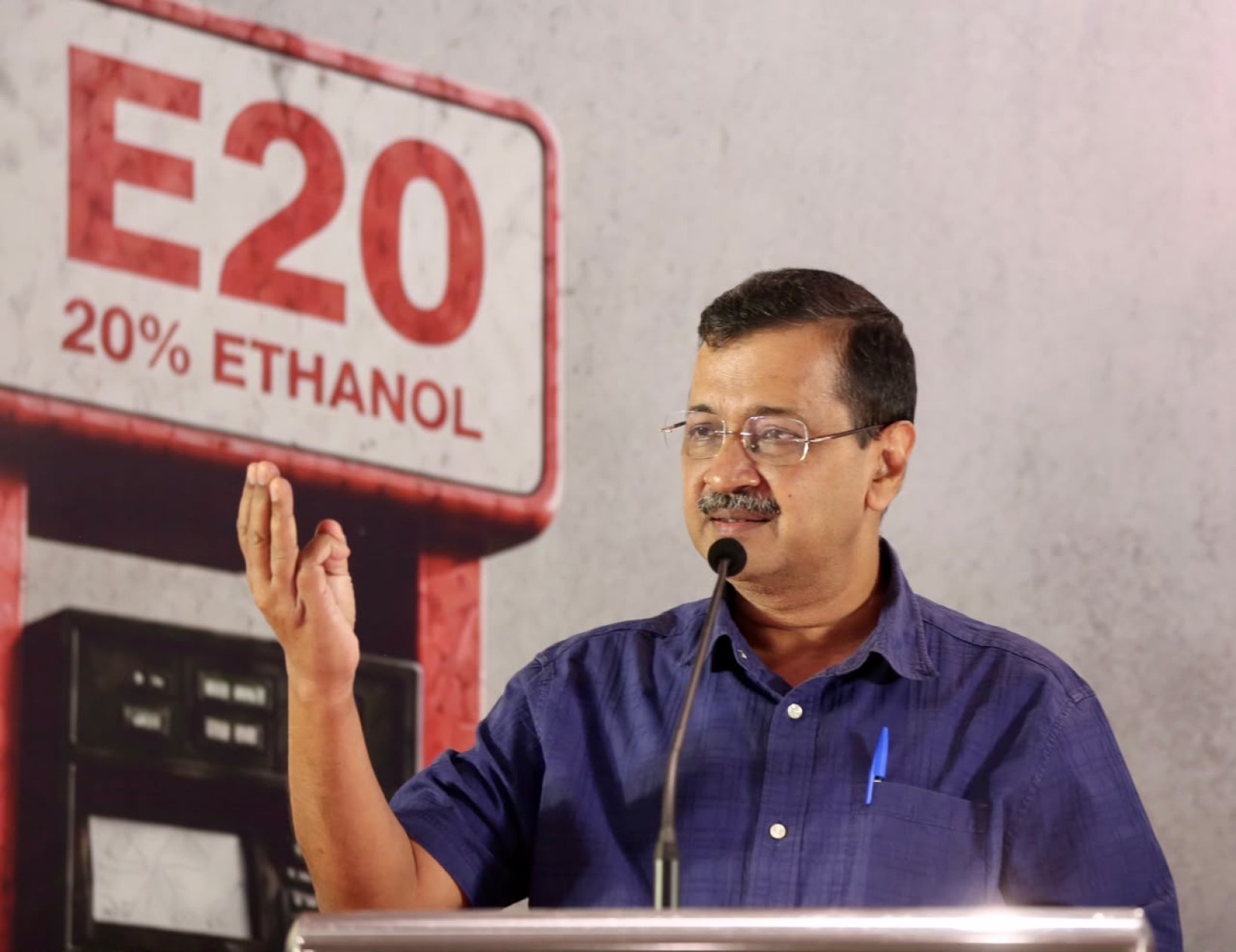
Economists are divided on the role of ethanol diversion in the current crisis. While Chand argues that the price spike cannot be primarily attributed to ethanol, Ashok Gulati contends that it has contributed to the supply crunch. Gulati noted that opening stocks have fallen from 8 million tonnes to 5 million tonnes and that the government should have acted sooner to address the impending shortage.
The government has acknowledged the situation, citing a mix of lower domestic production, increased demand, and speculation as contributing factors to the price surge. As the festive season nears, the impact of these rising costs on consumer sentiment remains a critical concern.
“Production estimates for 2025-26 were cut from 34.3 to 30.6 million tonnes, nearly 11%, due to weather damage and diseases like red rot. Economists Ramesh Chand and Ashok Gulati disagree on ethanol's blame, with Gulati saying the government "miscalculated the shortage" and acted too late.”