- The Union government can now issue written directions to airlines on air fares in the public interest during extraordinary situations, according to new rules framed under the Bharatiya Vayuyan Adhiniyam, 2024, and notified on the e-Gazette website on October 31.
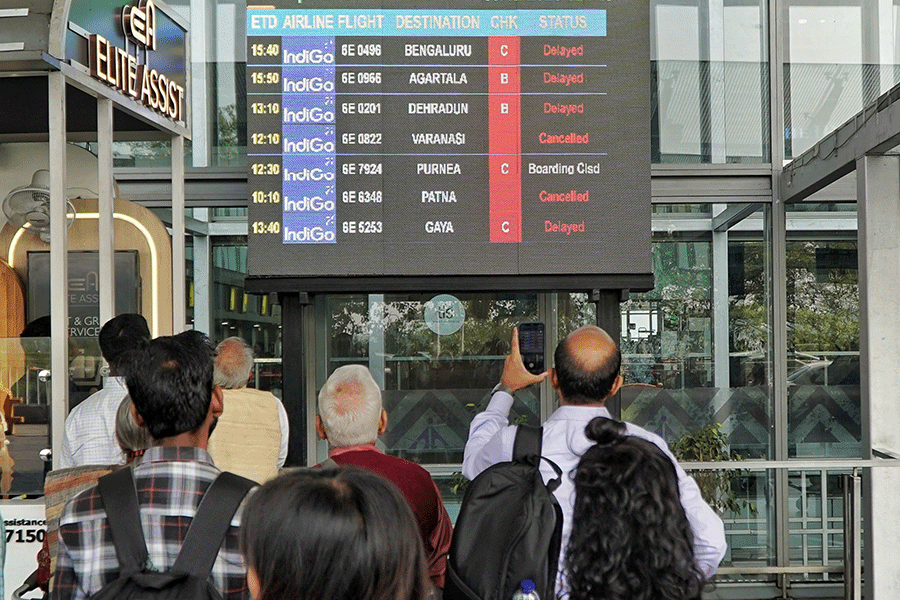
- The government has previously intervened in airfares, imposing fare bands during the COVID-19 pandemic and after IndiGo's operational meltdown last December, when nearly 5,000 flights were cancelled.
- The new rules mandate that fares displayed on booking websites must show the total amount payable, along with a detailed breakdown of the base fare, taxes, fees, cancellation charges, refund conditions, and other applicable costs.
- Under the new rules, effective from January 1, 2027, airlines must show a detailed break-up of airfare and related charges on the booking website during the time of booking and on the ticket.
- The Aircraft Act, 1934 was replaced by the Bharatiya Vayuyan Vidheyak, 2024, which provides the framework for the new aviation rules.
- Previously, airlines were required to submit fare data to the Director General of Civil Aviation (DGCA) and publish it on their websites under Air Transport Circular 2 of 2010.
- The move to implement new rules follows a public-interest litigation filed by social activist S. Laxminarayan, seeking binding regulatory norms to curb arbitrary airfare pricing.
India's new aviation regulations empower the government to intervene in airfares during 'extraordinary situations', a term that remains undefined. This follows a public-interest litigation aimed at curbing arbitrary pricing by airlines during peak times and emergencies.127
The rules, notified on October 31, 2024, under the Bharatiya Vayuyan Adhiniyam, mandate airlines to provide a detailed breakdown of fares on booking platforms, including base fare, taxes, fees, and cancellation charges. This transparency is intended to protect consumers from price gouging, which has been a concern during events like the Kumbh Mela and natural disasters.3
The Directorate General of Civil Aviation (DGCA) will monitor fare submissions from airlines, ensuring compliance with the new regulations. Although the government has previously intervened in fare settings, such as during the COVID-19 pandemic, the specifics of what constitutes an 'extraordinary situation' remain vague.
The civil aviation ministry's ability to issue directives in the public interest reflects a balance between market-driven pricing and consumer protection, as the government refrains from imposing direct fare caps. The new rules will take effect on January 1, 2027, marking a significant shift in India's aviation regulatory framework.4
The rules have been framed under The Bharatiya Vayuyan Vidheyak, 2024, which replaced the 90-year-old Aircraft Act, 1934.5
“The rules don't define 'extraordinary situations', but the government previously imposed fare bands during COVID-19 and after IndiGo's meltdown. Airlines must now submit tariffs to DGCA and show total payable amounts with detailed fare breakdowns, effective January 1, 2027.”