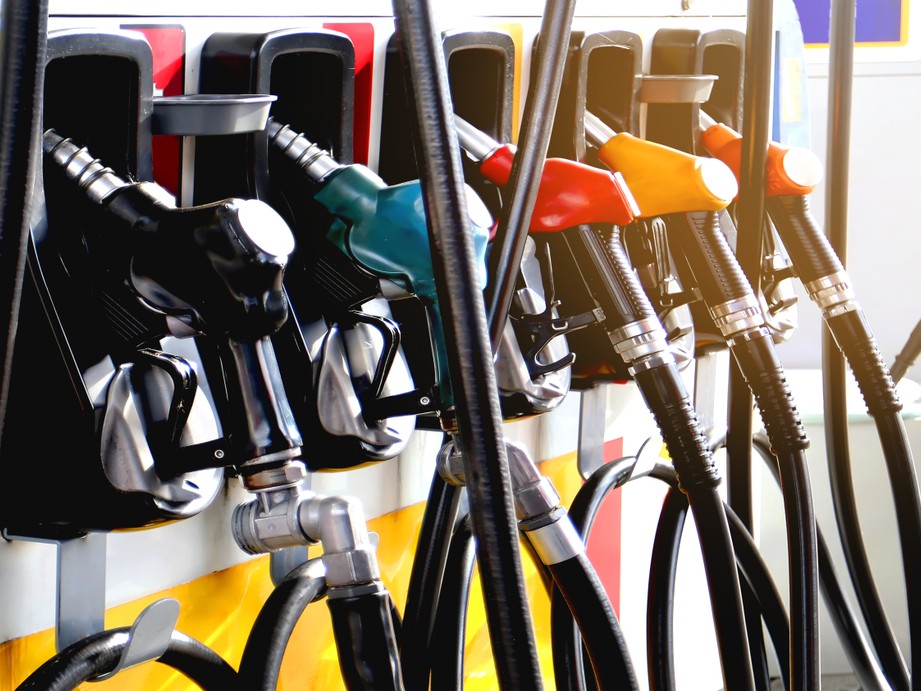
- The Government of India notified on February 17, 2026, that, effective April 1, 2026, all States and Union Territories must sell petrol blended with up to 20% ethanol and a minimum Research Octane Number (RON) of 95.
- Consumer surveys, such as those conducted by LocalCircles involving tens of thousands of vehicle owners, highlight widespread friction: over 66% of pre-2023 vehicle owners report mileage loss exceeding 10%, and 55% cite higher maintenance frequency and component wear-out.
- India’s rapid transition to a nationwide E20 fuel regime (petrol blended with 20% anhydrous ethanol) has triggered a complex multidimensional debate at the intersection of macroeconomic energy policy, automotive engineering, supply-chain quality control, and consumer protection.
- In a written reply in Rajya Sabha, the Minister of State for Petroleum and Natural Gas, Suresh Gopi, informed the House that the Ministry of Heavy Industries had not conducted any formal assessment to determine the share of India’s vehicle fleet that is genuinely E20-compatible.
- The friction surrounding the unconsented rollout of E20 and the simultaneous phase-out of ethanol-free fuel (E0) has manifested in critical judicial challenges.
- Public Interest Litigations filed in the Supreme Court challenged the 'silent compulsion' of forcing millions of legacy vehicle owners to use E20 without an unblended alternative or explicit pump labelling, arguing violations of consumer choice under the Consumer Protection Act, 2019.
India's Chief Economic Adviser has proposed the return of E10 fuel as the country grapples with the contentious rollout of E20 fuel, which blends 20% ethanol into petrol. This transition has sparked significant consumer backlash, particularly among owners of pre-2023 vehicles.1
Surveys conducted by LocalCircles reveal that 66% of these vehicle owners report a mileage loss exceeding 10%, while 55% have experienced increased maintenance needs and component wear. The government's push for E20, mandated to begin on April 1, 2026, has raised concerns about the compatibility of older vehicles, as the Ministry of Heavy Industries has not assessed the fleet's readiness for this new fuel standard.2
The friction surrounding the E20 rollout has led to public interest litigations in the Supreme Court, challenging the 'silent compulsion' of forcing legacy vehicle owners to adopt E20 without an unblended alternative or proper labeling at fuel pumps. Critics argue this violates consumer rights under the Consumer Protection Act, 2019, highlighting the need for clearer communication and options for consumers.6
As debates continue, the Chief Economic Adviser's suggestion to revert to E10 may provide a temporary solution to alleviate consumer concerns while the government navigates the complexities of fuel policy and consumer protection.
“Consumer surveys conducted by LocalCircles indicate that over 66% of pre-2023 vehicle owners experience mileage loss exceeding 10%, with 55% reporting increased maintenance needs. Additionally, public interest litigations in the Supreme Court challenge the rollout of E20, arguing it violates consumer choice under the Consumer Protection Act, 2019.”