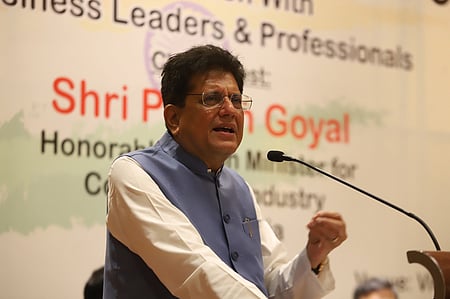
- The India-UK Comprehensive Economic and Trade Agreement (CETA) came into force on July 15, 2026, providing zero-duty access for nearly 99% of Indian exports to the UK, covering almost the entire value of goods India sells there.
- The first cargo shipment under the India-UK FTA was flagged off from Sri Guru Ram Dass Jee International Airport in Amritsar, marking the operational rollout of the trade pact.
- Prime Minister Narendra Modi described the agreement as a 'historic milestone', stating it will create opportunities for farmers, workers, MSMEs, startups, and innovators.
India and the UK have officially implemented the Comprehensive Economic and Trade Agreement (CETA) and the Agreement on Social Security, effective July 15, 2026. This landmark agreement provides zero-duty access for nearly 99% of Indian exports to the UK, covering almost the entire trade value between the two nations.12
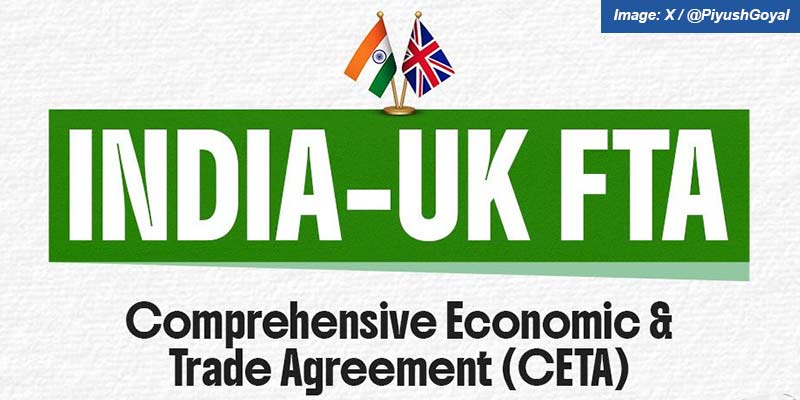
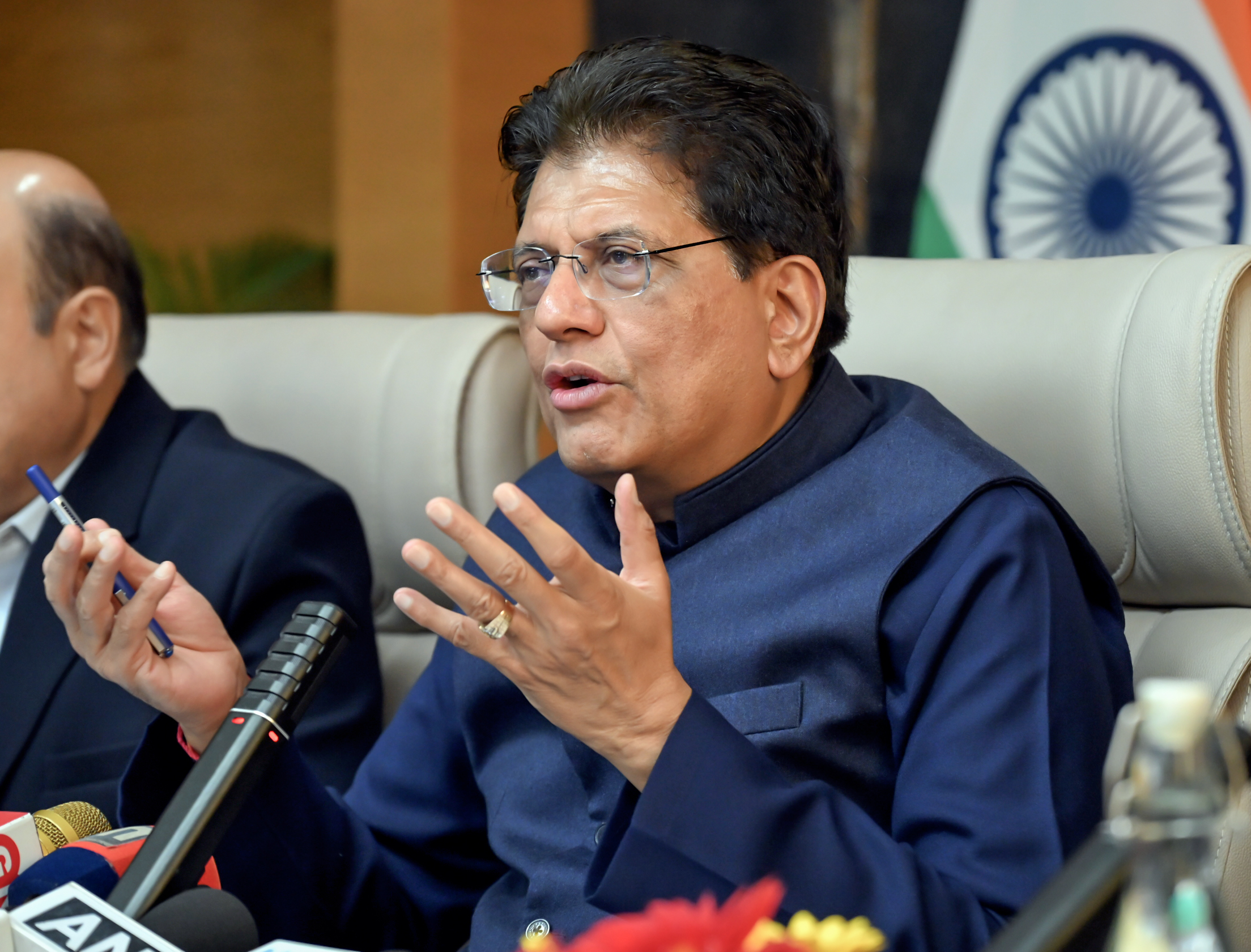
Commerce and Industry Minister Piyush Goyal emphasized that the agreement will significantly boost trade, investment, and employment opportunities, describing it as a 'defining milestone in India-UK relations.' He noted that the pact will create unprecedented opportunities across various sectors, including textiles, leather, gems and jewellery, engineering goods, marine products, chemicals, processed foods, manufacturing, MSMEs, and agriculture.
The CETA also enhances market access across 137 service sub-sectors, including IT, professional services, and education, while the accompanying Agreement on Social Security exempts Indian professionals on temporary assignments in the UK from making dual contributions for up to five years.
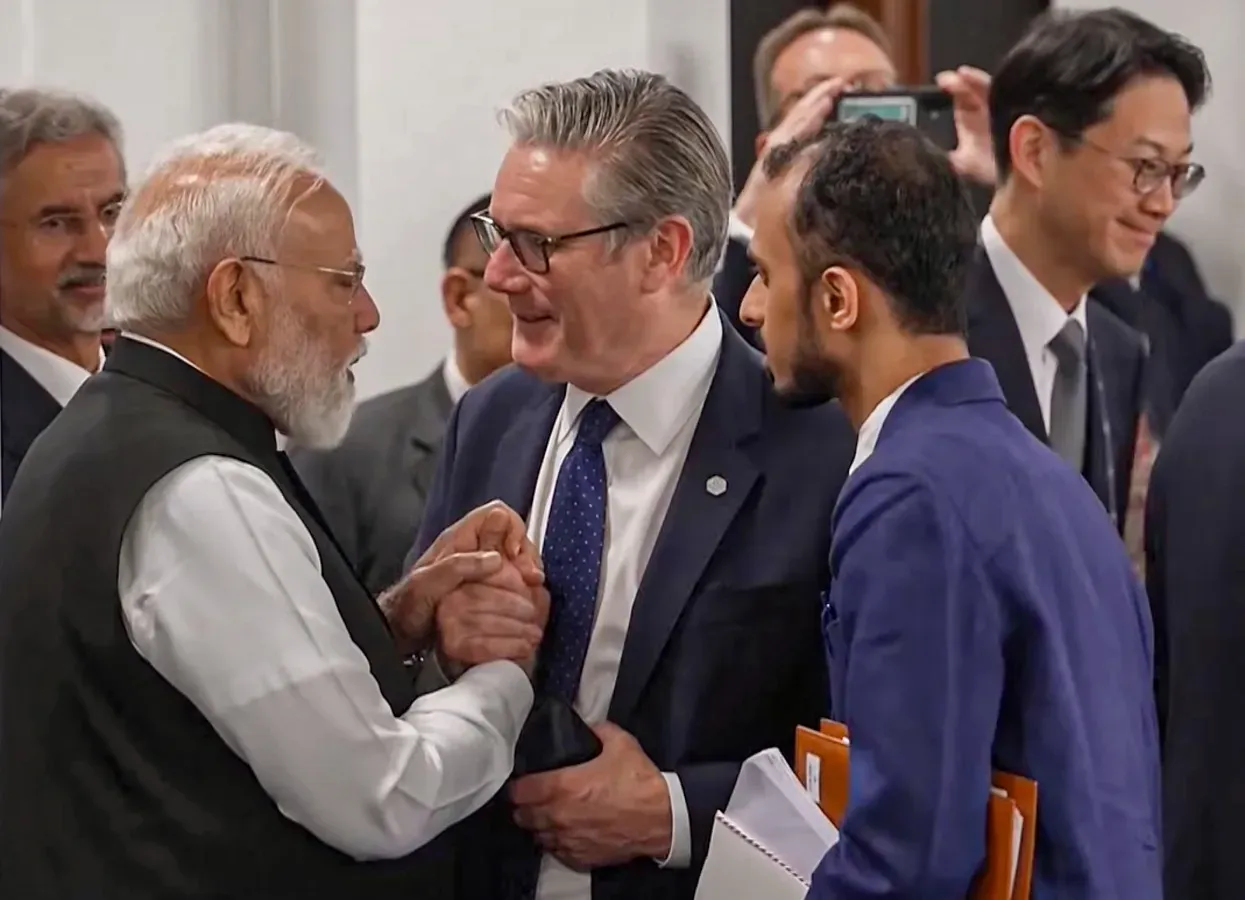
Prime Minister Modi stated, 'This is a significant moment in the India-United Kingdom partnership! With the coming into force of the Comprehensive Economic and Trade Agreement and the Agreement on Social Security, our economic linkages are going to get even deeper.' He highlighted the potential for bilateral trade to nearly double to around $120 billion by 2030.
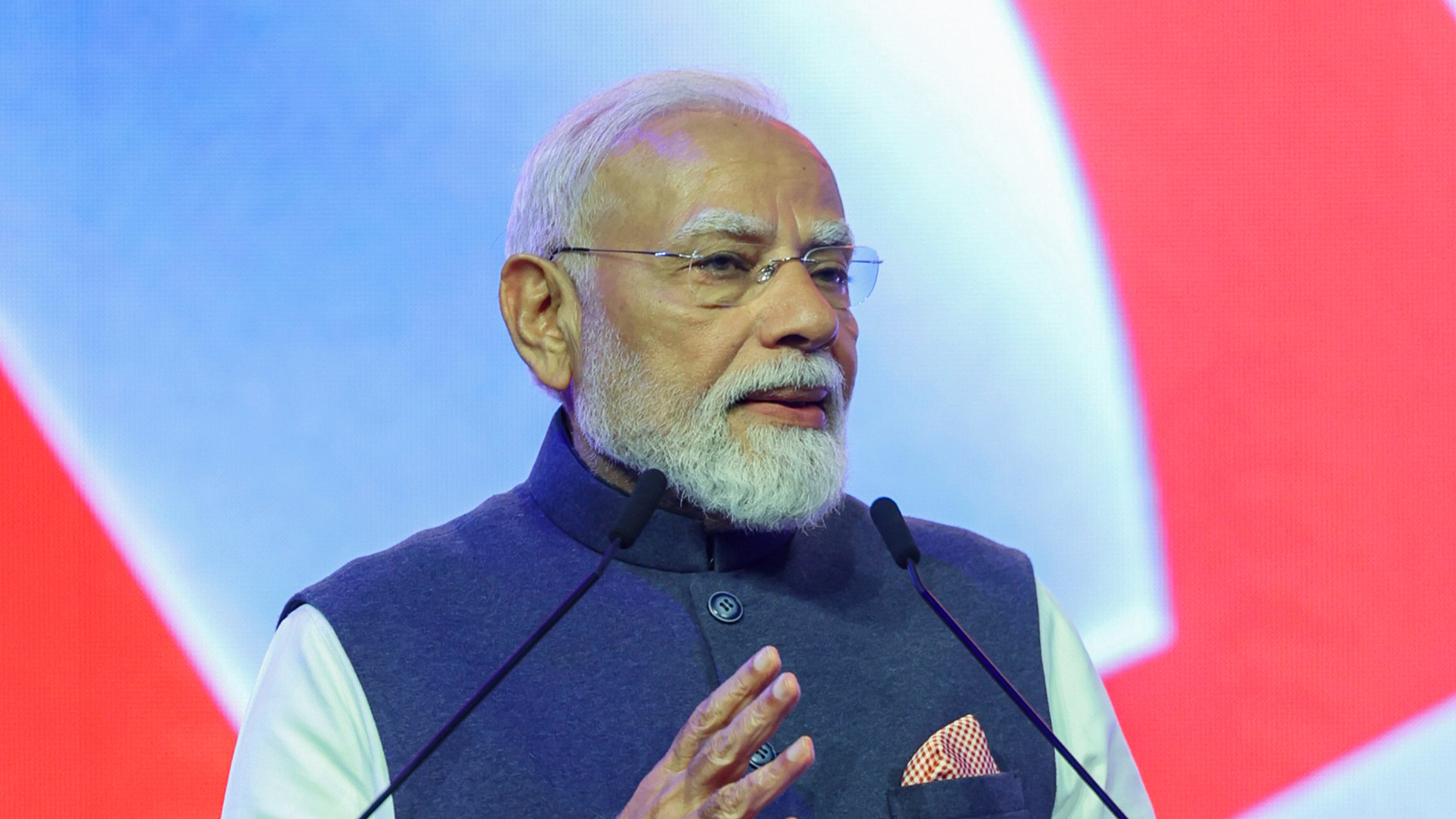
The agreement is expected to lower prices for Indian consumers on British products such as Scotch whisky, premium cars, and cosmetics, while also benefiting Indian exporters by eliminating tariffs on key goods.
The first cargo shipment under the FTA was flagged off from Amritsar, marking the operational rollout of this transformative trade pact.3
“British cars, Scotch whisky, chocolates, and cosmetics are among the products set to become cheaper for Indian consumers under the new tariff cuts. The first cargo shipment under the landmark pact, comprising ready-made garments, has been flagged off from Amritsar Airport.”
 Manorama Yearbook
 Autopunditz
 dw.com
 DD IndiaDD IndiaDD IndiaDD India



