- India has set maximum LPG production targets for 21 refineries and upstream companies for the first time, with Reliance Industries receiving the largest individual allocation.
- The Petroleum and Natural Gas Ministry issued an order on August 13 specifying production levels that will activate during supply constraints, setting combined capacity at 63,810 tonnes per day—more than double India's domestic output in the fiscal year ended March 2026.
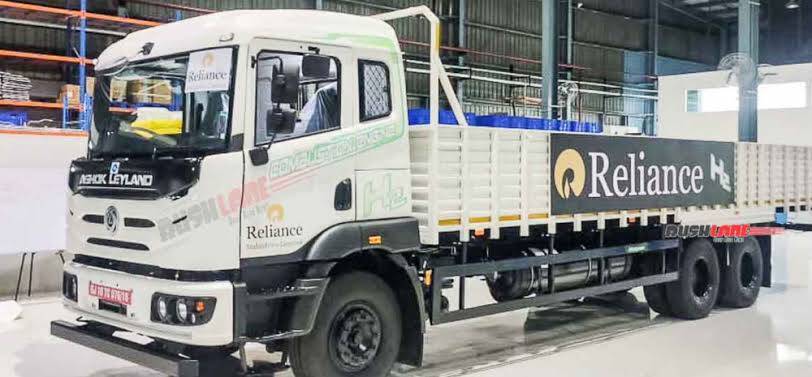
- Reliance Industries' 33-million-tonne-a-year domestic-tariff area refinery in Jamnagar, Gujarat, has been ordered to produce up to 18,000 tonnes of LPG daily when supply disruptions occur.
- The order also requires infrastructure upgrades and periodic reviews every six months to ensure compliance with the new production targets.
- India relied on imports for over 64% of its LPG consumption, with 90% of imports coming through the Strait of Hormuz.
- The Iran war disrupted Hormuz shipments, forcing emergency measures in March, including diverting petrochemical feedstocks to boost LPG output to about 55,000 tonnes per day.
India has established maximum LPG production targets for 21 refineries, aiming to enhance domestic supply amid ongoing geopolitical tensions.1
The Petroleum and Natural Gas Ministry's order, issued on August 13, sets a combined production capacity of 63,810 tonnes per day, more than double the domestic output expected by March 2026.2
Reliance Industries, with its Jamnagar refinery, is tasked with producing 18,000 tonnes daily, the largest allocation among the refineries.

Eighteen public-sector refineries will contribute 31,470 tonnes per day, while Nayara Energy's Vadinar refinery is set for 4,480 tonnes daily.
This initiative comes in response to the Iran-related crisis that disrupted LPG shipments through the Strait of Hormuz, which supplies 90% of India's LPG imports.5
India's LPG consumption reached 33.2 million tonnes in 2025-26, with imports covering over 64% of the demand.
The government aims to create a permanent mechanism for increased output, reviewing production targets every January and July.

Refiners are also instructed to enhance infrastructure for LPG storage and transportation, ensuring readiness for future supply disruptions.
The order emphasizes the need for refiners to implement all feasible measures to maximize LPG production, including converting naphtha into LPG.
This strategic move is designed to mitigate vulnerabilities exposed by recent conflicts in West Asia, ensuring adequate domestic availability and fair pricing of LPG.
“The order, issued August 13, sets combined capacity at 63,810 tonnes per day—about 70% of daily consumption—and requires refiners to maintain storage and evacuation infrastructure. It also empowers the government to mandate production increases whenever needed, with targets reviewed every January and July.”
 Swarajya