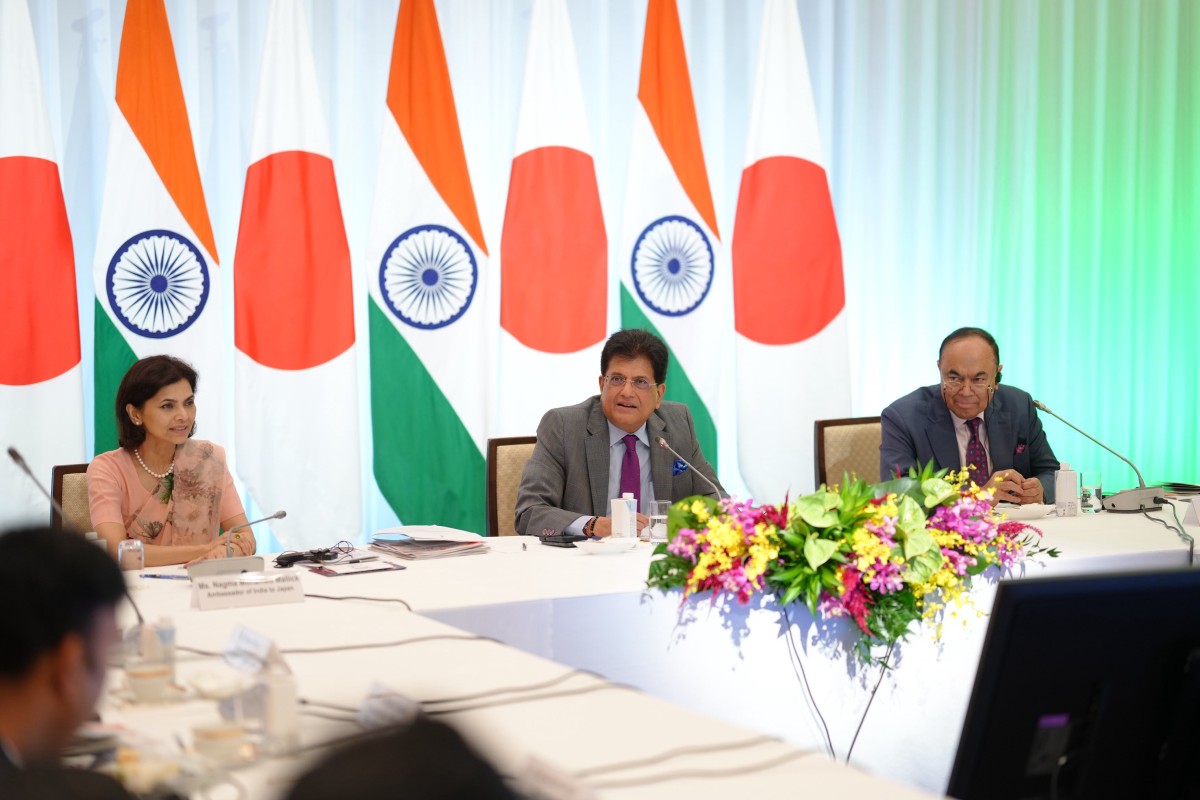
- Commerce and Industry Minister Piyush Goyal said the government would develop a framework to ease or waive mandatory quality certification for high-technology industries, following concerns raised by Japanese companies about India's Quality Control Order (QCO) system.
- The JETRO survey said 42.7% of affected businesses faced suspended sales or delayed deliveries.
- Think tank GTRI welcomed the proposed relief for high-technology industries but called for a broader review of India's QCO regime, which it says raises costs, disrupts supply chains, and discourages investment.
- Japanese firms reported that certification can require product testing, extensive documentation, and inspections of foreign factories by BIS officials, with the overseas manufacturer bearing the cost even when products already meet Japanese or international standards.
- GTRI argued that India cannot exempt high-tech machinery while extending QCOs to products like footwear and furniture, where safety justification is weak and compliance costs fall heavily on MSMEs.
- GTRI suggested India adopt a risk-based system closer to the European model, where the European Union publishes standards and allows manufacturers to declare conformity and use the CE mark without prior government registration, relying on market surveillance and strict penalties.
- GTRI also recommended ending double certification, noting that in many cases QCOs apply separately to both inputs and the finished product.
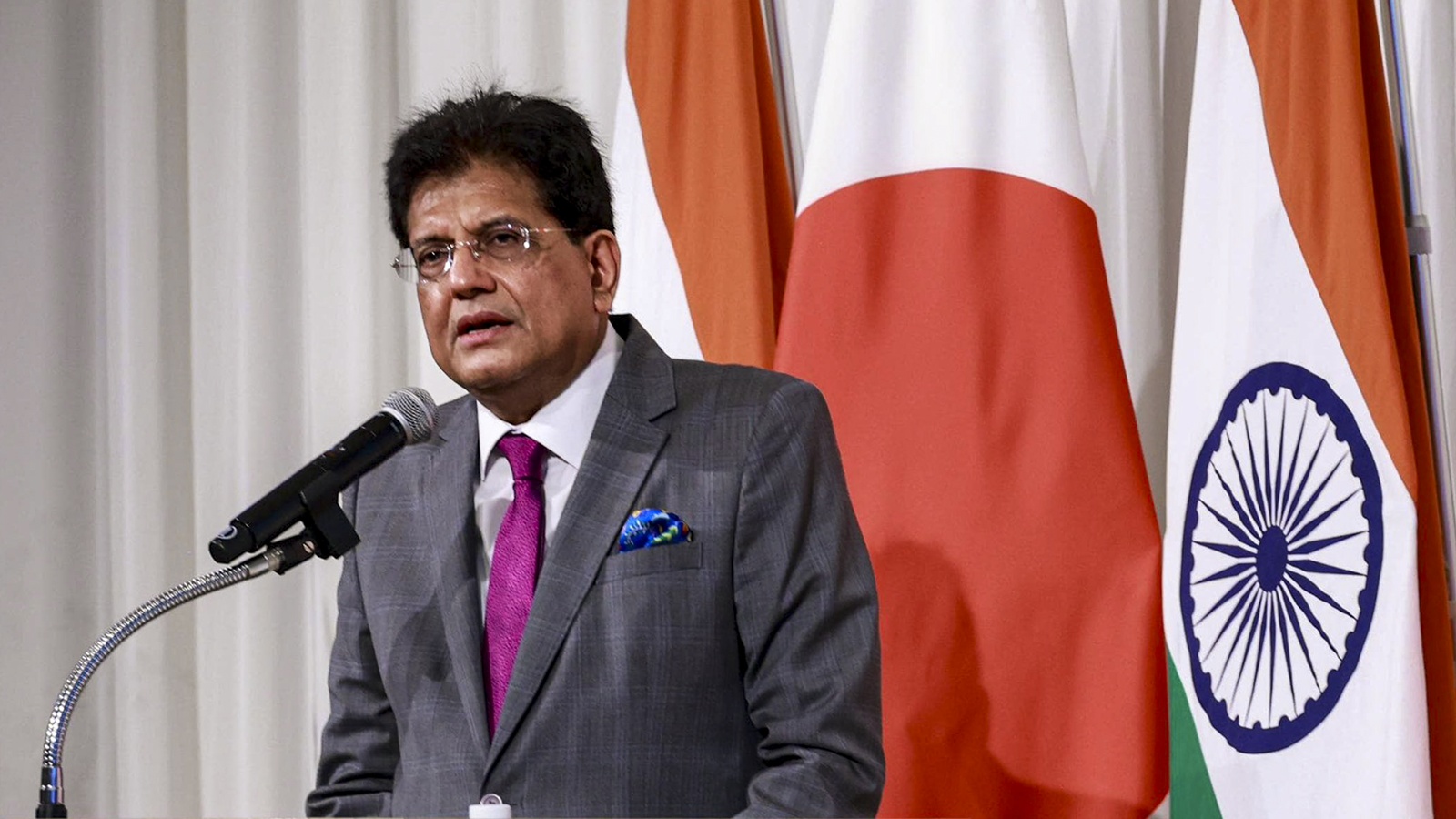
Piyush Goyal, India's Commerce and Industry Minister, announced during his recent visit to Tokyo that the government will develop a framework to ease or waive Quality Control Orders (QCOs) for high-tech industries. This decision comes after Japanese firms expressed concerns about the burdensome certification costs associated with India's QCO system.12
A JETRO survey for fiscal 2025 revealed that 71.9% of Japanese manufacturers in India reported that their operations were affected by the Bureau of Indian Standards (BIS) certification process. The impact is particularly severe among general machinery companies, with 92.3% reporting issues, and 76.8% among transportation equipment manufacturers. The certification process often requires extensive documentation, product testing, and inspections of foreign factories, which can lead to significant delays and costs for overseas manufacturers, even if their products already meet international standards.
The survey also indicated that 42.7% of affected businesses faced suspended sales or delayed deliveries due to these certification challenges. In response, the GTRI has called for a broader review of the QCO regime, arguing that it raises costs for manufacturers, disrupts supply chains, and discourages investment. They emphasized that India cannot selectively exempt high-tech machinery from QCOs while imposing them on products with weaker safety justifications, such as footwear and furniture. The GTRI suggested that India should consider adopting a risk-based system similar to the European model, which allows manufacturers to declare conformity without prior government registration, relying instead on market surveillance and strict penalties for violations.348910
“A JETRO survey found 42.7% of affected businesses faced suspended sales or delayed deliveries. GTRI suggests adopting a European-style risk-based system with CE-mark self-declaration and ending double certification for inputs and finished products.”
 Deccan Chronicle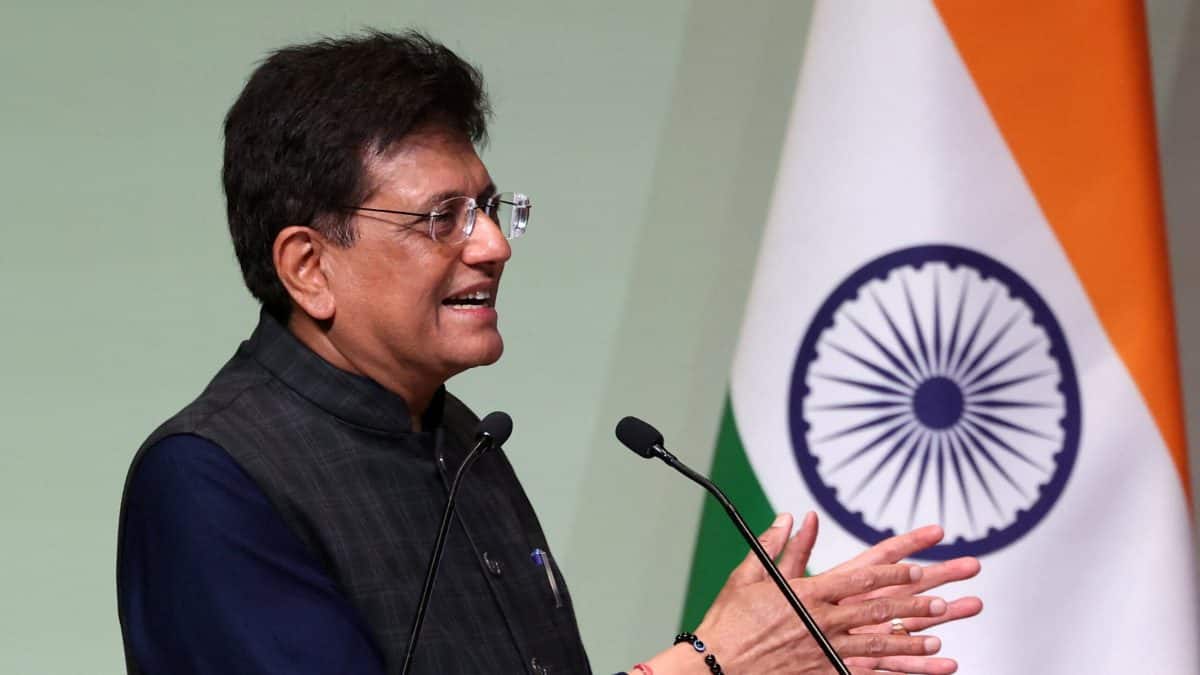







_0_0.jpg)