
- India has firmly ruled out supporting the creation of a common BRICS currency, reiterating its preference for settling international trade in national currencies instead of adopting a unified monetary system for the bloc.
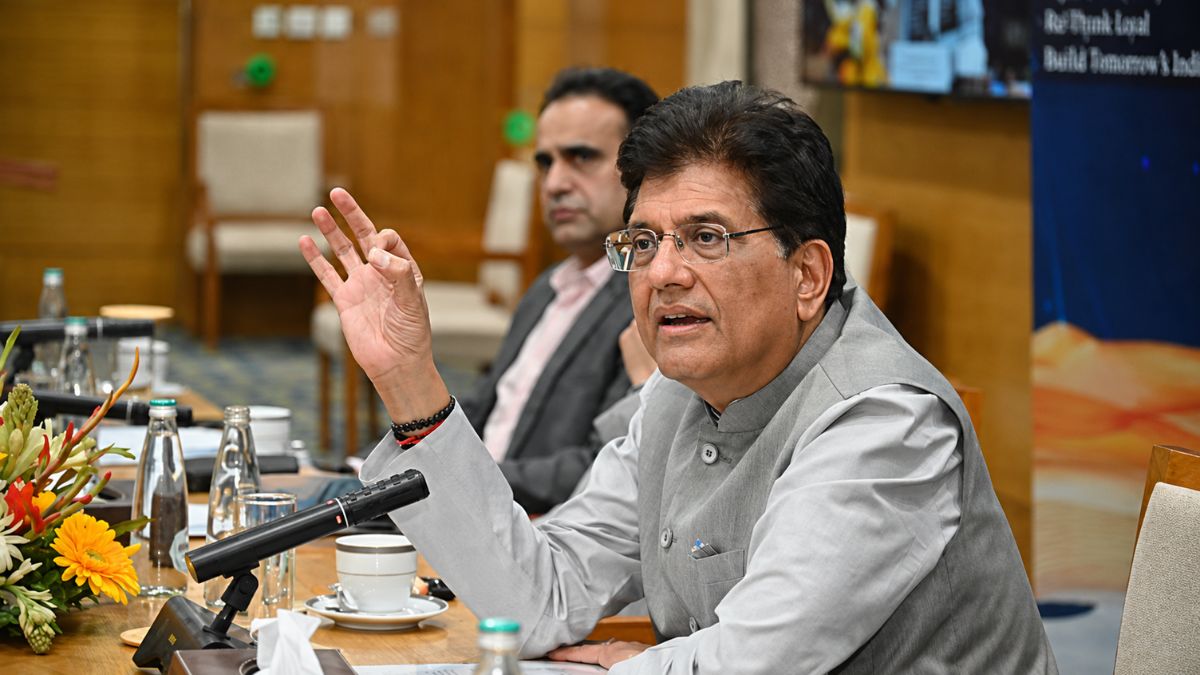
- Commerce Minister Piyush Goyal stated, "India is not in favour of a BRICS currency. We do not support the introduction of any such BRICS currency scheme; India opposes it," after the conclusion of the two-day meeting of BRICS trade and industry ministers in Jaipur.
- The BRICS group has expanded to 11 members, now including Egypt, Ethiopia, Indonesia, Iran, Saudi Arabia, and UAE.
- In 2024, US President Donald Trump warned BRICS countries against any move to replace the US dollar, threatening tariffs on nations supporting a joint currency scheme.
- Over the past few years, some BRICS member countries, particularly Russia and China, have sought alternatives to the US dollar or proposed creating a BRICS currency.
- India has consistently advocated for the internationalisation of the Indian Rupee (INR) and encourages bilateral trade settlements in local currencies, maintaining national control over its monetary policy.
India's Commerce Minister Piyush Goyal has firmly rejected the idea of a common BRICS currency, stating, “India is not in favour of a BRICS currency. We do not support the introduction of any such BRICS currency scheme; India opposes it.” This declaration came after a two-day meeting of BRICS trade and industry ministers in Jaipur, where the focus was on enhancing trade and investment among the 11-member bloc, which includes Brazil, Russia, China, and South Africa, among others.1256
Goyal emphasized India's preference for conducting international trade in national currencies rather than adopting a unified monetary system. He noted that discussions also included promoting balanced trade and ensuring access to affordable financing for micro, small, and medium enterprises (MSMEs).
The BRICS group, which has expanded to include Egypt, Ethiopia, Indonesia, Iran, Saudi Arabia, and the UAE, has seen some members, particularly Russia and China, advocating for a joint currency to reduce reliance on the US dollar. However, India remains cautious, preferring to maintain its monetary sovereignty and control over financial systems.34
Goyal's remarks come amid rising tensions, as US President Donald Trump has warned BRICS nations against any moves to replace the dollar, threatening significant tariffs on those supporting a common currency. India’s approach aims to reduce dependence on third-country currencies while allowing nations to retain control over their monetary policies.
As the BRICS bloc continues to grow in influence, discussions around de-dollarisation and the potential for a common currency will likely persist, but India's stance remains clear: a unified currency is not on the table.
“The stance follows US President Donald Trump's 2024 warning of 100% tariffs on countries backing a joint currency. India advocates internationalising the Indian Rupee and settling bilateral trade in local currencies to maintain monetary sovereignty.”

 Deccan Herald



