
- India's Ministry of Electronics and Information Technology (MeitY) has proposed changes to the IT Rules that would require social media platforms and other intermediaries to remove unlawful AI-generated content within three hours of receiving a valid government or court order, instead of the current 36-hour deadline.
- The draft rules also call for mandatory labelling of AI-generated content, requiring platforms to clearly label AI-generated images, videos, audio, and other synthetic content, and attach traceable metadata so users can easily identify AI-created material.
- The proposed changes are aimed at tackling the growing threat of AI-powered deepfakes and other synthetic content, including fake audio, videos, and text, and specifically cover deepfakes, AI-enabled impersonation, child sexual exploitation material, non-consensual intimate imagery, and other harmful AI-generated content.
- The draft rules propose faster grievance redress: reducing the timeline for resolving general user complaints from 72 hours to 36 hours, and for sensitive issues like nudity or impersonation, from 24 hours to two hours.
- The amendments are still in draft form and have been released for public consultation; the government will review feedback before finalising the rules, so proposals could change.
- India's AI governance is described as a regulatory mismatch rather than a vacuum, with courts resolving novel disputes before comprehensive legislation is enacted.
- The government's November 2025 guidelines rely on existing legislation and voluntary standards, which lack binding force, leading courts to shape policy through injunctions.
India's Ministry of Electronics and Information Technology (MeitY) has proposed significant amendments to the IT Rules, aiming to enhance the regulation of unlawful AI-generated content. The draft rules suggest a drastic reduction in the content removal deadline from 36 hours to just three hours upon receiving a valid government or court order.127
In addition to the expedited removal timeline, the proposed regulations mandate clear labeling of AI-generated content, including images, videos, and audio, which must carry traceable metadata. This initiative is part of a broader strategy to combat deepfakes, AI-driven misinformation, and other harmful synthetic media.

The government emphasizes the need for stronger action against deepfakes and other forms of harmful AI content, including child sexual exploitation material and non-consensual intimate imagery. Platforms like Facebook and X will be required to take prompt action against such content and implement reasonable technical measures to prevent its creation or dissemination.
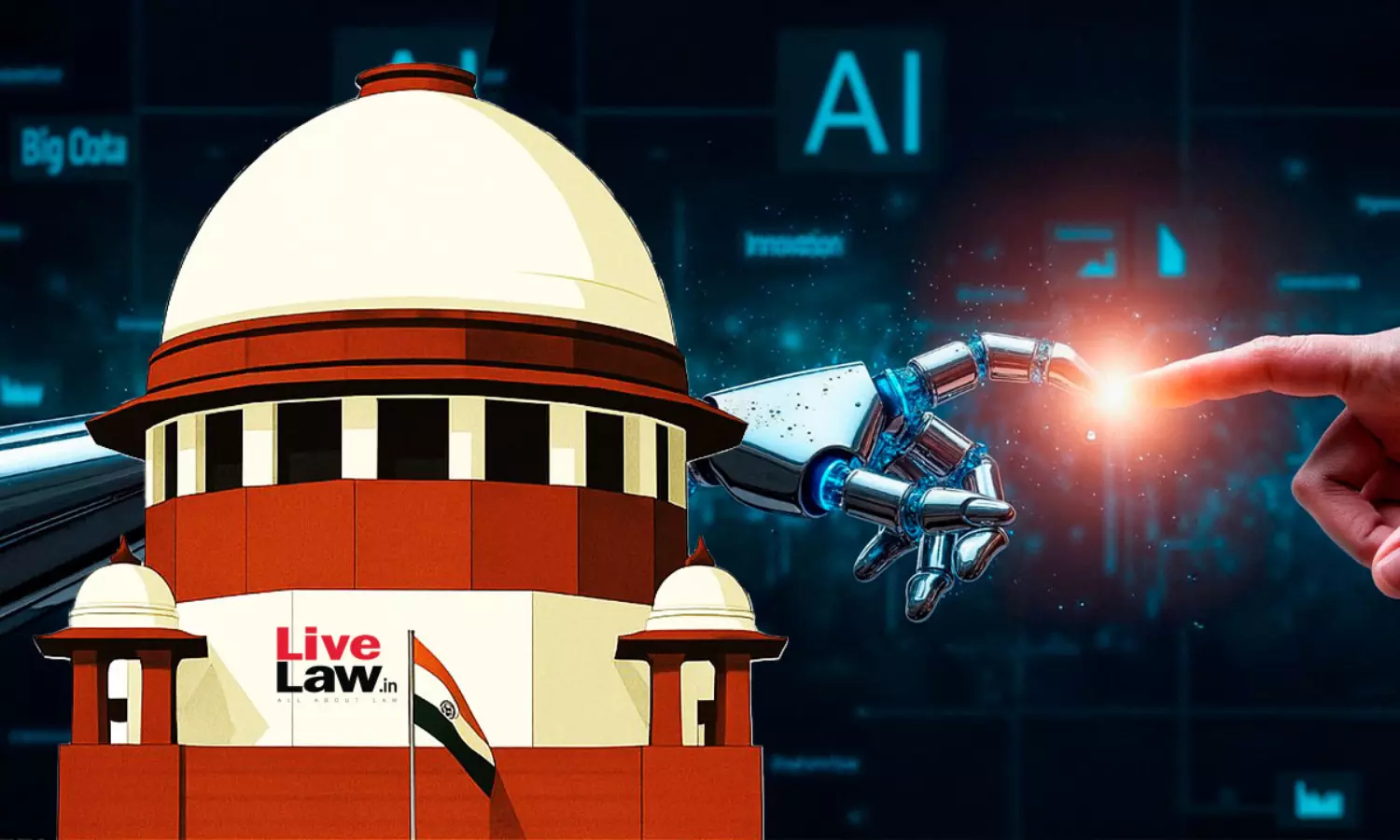
Furthermore, the draft rules propose faster grievance redressal timelines, reducing the resolution period for general user complaints from 72 hours to 36 hours, and addressing sensitive issues within two hours instead of the current 24-hour deadline. These changes aim to create an open, safe, trusted, and accountable cyberspace for users.
The amendments are currently in draft form and open for public consultation, with the government set to review feedback before finalizing the rules.8
“The draft rules also mandate labelling of AI-generated content with traceable metadata and reduce grievance redress for sensitive issues like nudity to two hours. Separately, Indian courts are shaping AI policy through injunctions, as seen in the Kapoor and Arijit Singh cases.”
 Firstpost
 Live Law



