
- In 1996, Dorje Morup, part of an ITBP expedition, died on Everest's Northeast Ridge during descent; his body became known as 'Green Boots'.
- For years, the remains were widely believed to be Tsewang Paljor, but testimony and gear identification led authorities to identify them as Morup.
- In 2024, an ITBP verification process collected DNA samples, but the lab report has not been publicly released.
- In 2026, India issued a government tender for the recovery of the remains, aiming to return them by September.
- If recovered, DNA testing will confirm identity, and the family plans a funeral in Ladakh and to keep the Green Boots.
- Morup was part of the 1996 ITBP expedition to Everest's North Ridge, climbing from the Chinese side.
- The body became known as Green Boots because of the distinctive green mountaineering footwear visible near the remains.
- Recovering a body from Everest can be almost as dangerous as climbing to it, especially since Green Boots is located in the death zone.
- The ITBP is funding the recovery operation and wants Morup's body to be returned by September.
India is preparing to recover the remains of Dorje Morup, known as 'Green Boots,' from Everest's Northeast Ridge, nearly 30 years after his death in 1996. The Indo-Tibetan Border Police (ITBP) has issued a tender for the complex and dangerous operation to retrieve Morup's body, which has become a notable landmark for climbers.12579
Morup was part of a 1996 expedition that aimed to summit Everest from the Chinese side. He died during the descent, and his body has remained at an altitude of 8,500 meters. Initially, it was believed that the remains belonged to another climber, Tsewang Paljor, but recent evidence has confirmed they are Morup's.
An ITBP official stated, “We never forgot him. It was only a matter of time.” The recovery operation is fraught with risks, as the body lies in the death zone, where temperatures can drop to -40°C and oxygen levels are significantly lower than at sea level.8
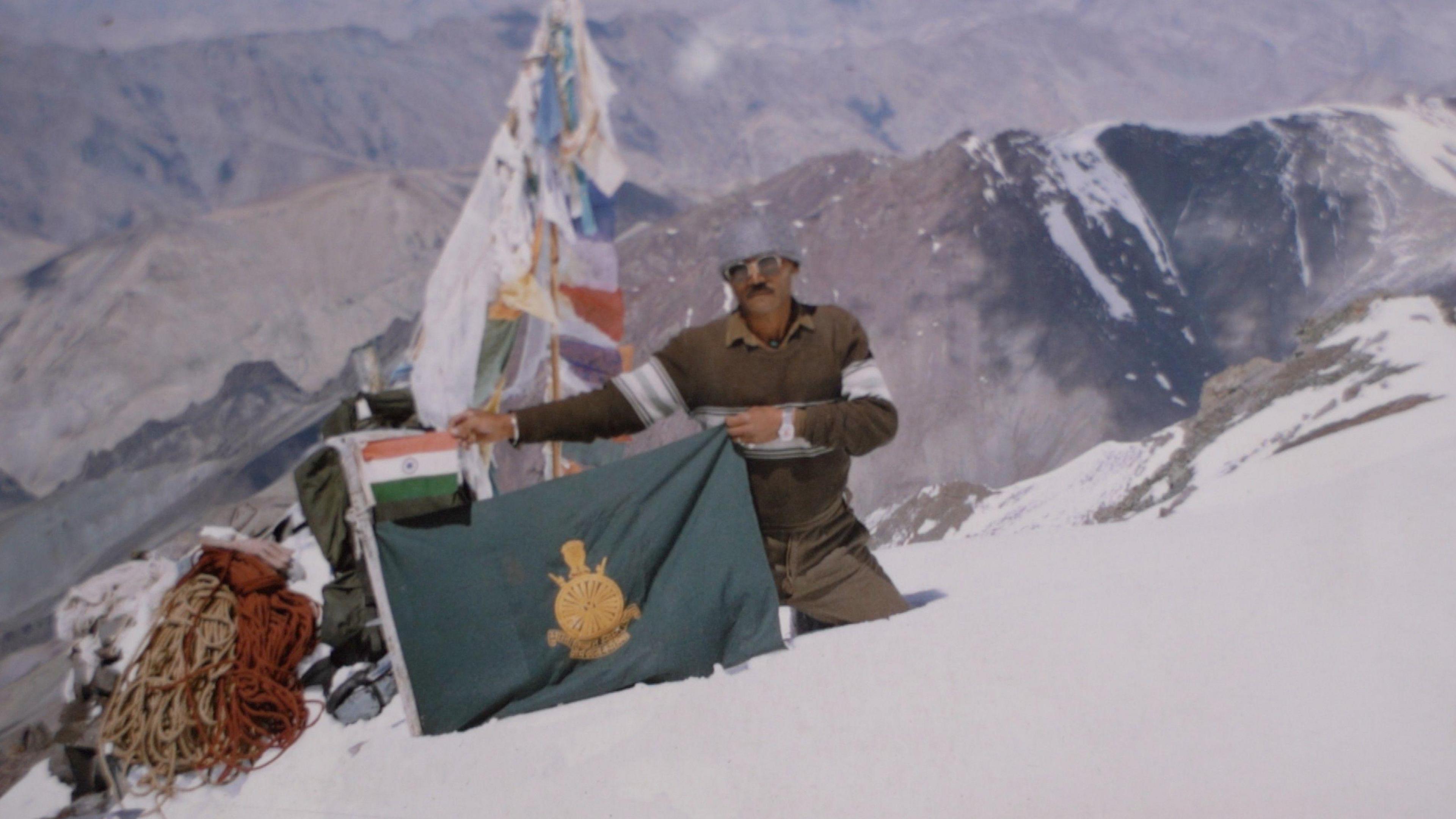
The ITBP aims to complete the recovery by September, allowing for DNA testing to confirm Morup's identity before returning his remains to his family. “If something bad happens from the Nepalese side, you get quickly evacuated by helicopter. But there is no such system from the Chinese side,” a source noted, highlighting the challenges of the recovery mission.4
Once recovered, Morup's remains will undergo DNA testing, and if confirmed, will be returned to his family, providing them with closure after decades of uncertainty.
“The recovery operation, funded by the ITBP, aims to return the body by September, with DNA testing to confirm identity. Morup's wife, who never saw his body, still hopes for closure, and his son plans a martyr's funeral in Ladakh.”




