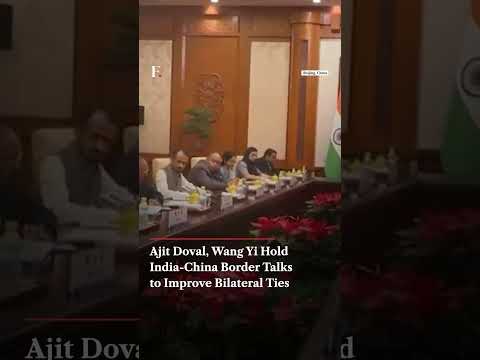
- Doval landed in Beijing on Monday for a two-day visit, part of efforts to rebuild ties after the deadly Galwan Valley clashes in 2020.
- During the talks, both sides agreed to continue working toward a political settlement of the boundary question, as stated by the Ministry of External Affairs (MEA).
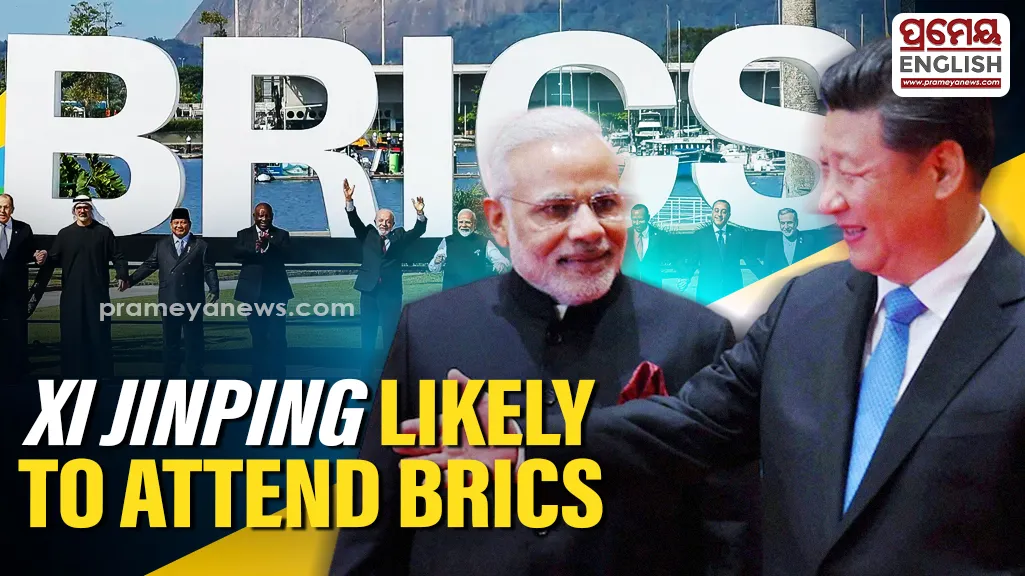
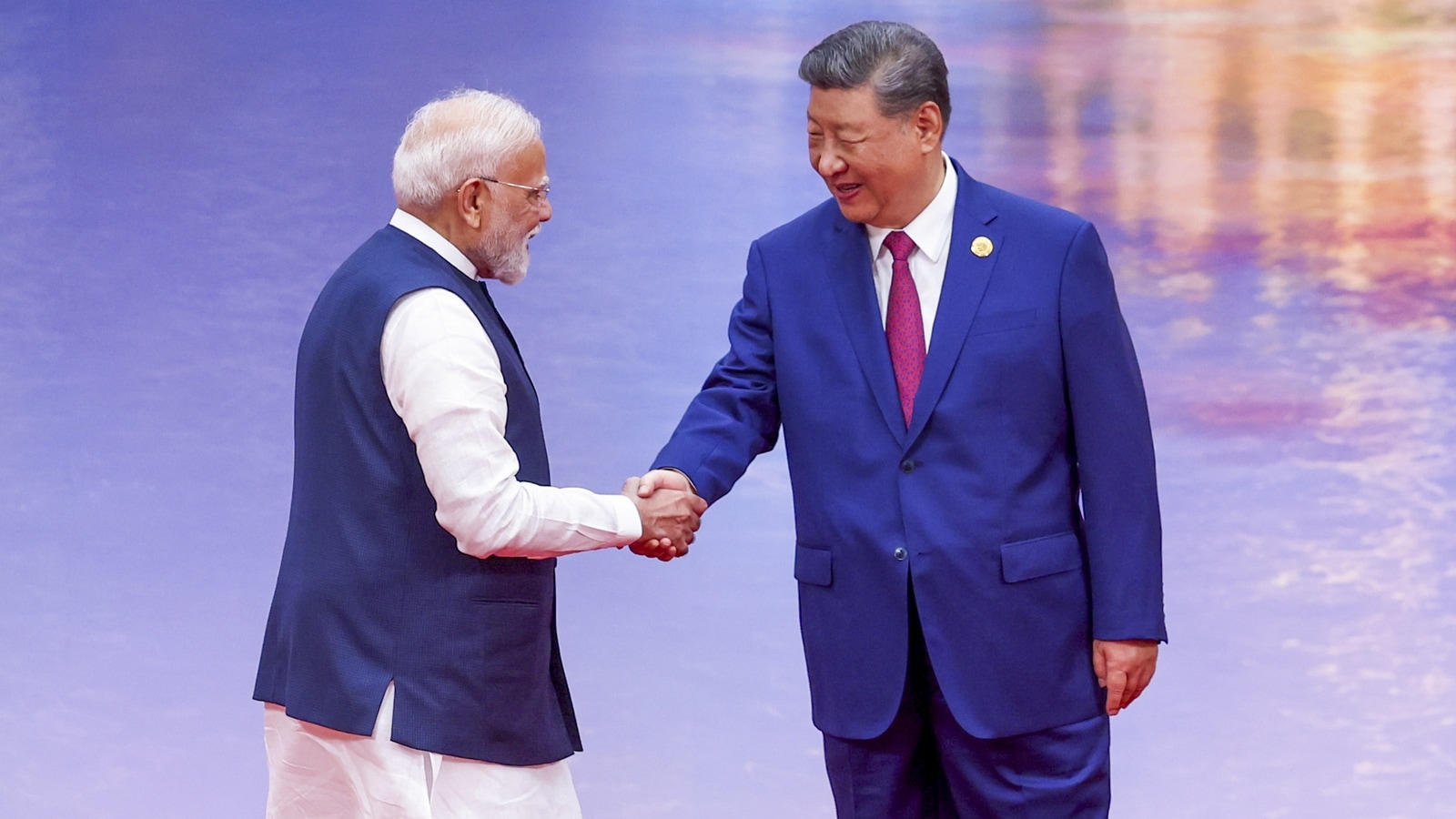
- The talks were held under the Special Representatives (SR) dialogue framework, weeks before Chinese President Xi Jinping's anticipated visit to India for the BRICS summit.
- Doval highlighted the importance of maintaining peace and tranquillity along the Line of Actual Control (LAC) for the bilateral relationship.
- Both sides discussed ways to expand cooperation and make progress on boundary delimitation.
- The SR mechanism, established in 2003, is regarded by officials as a useful tool for addressing recurring tensions, though it has not resolved the 3,488 km border dispute.
- Doval noted that normalcy in relations has been a direct result of maintaining peace in border areas.
- Wang said the China-India relationship has taken on global and strategic significance and stressed the need to enhance communication and mutual trust.
- The Special Representatives (SR) dialogue took place amid reports of aggressive military posturing by Chinese troops along the LAC in Upper Subansiri, Arunachal Pradesh.
- Doval highlighted progress in people-to-people ties, including the Kailash Manasarovar Yatra via Nathu La and resumption of border trade through all three passes.
India and China have initiated a renewed dialogue on their long-standing border dispute, with National Security Advisor Ajit Doval and Chinese Foreign Minister Wang Yi agreeing to seek a political settlement.2
The talks, described as "candid and in-depth" by the Ministry of External Affairs (MEA), focused on maintaining peace along the Line of Actual Control (LAC) and enhancing bilateral cooperation.4
Doval emphasized that the normalization of relations is a direct result of both nations maintaining peace in border areas, stating, "The normalcy we have witnessed in our relationship has been a direct result of both sides maintaining peace and tranquillity in the border areas."
Wang echoed this sentiment, highlighting the global significance of the China-India relationship and the need for enhanced communication and mutual trust.8
The discussions come ahead of President Xi Jinping's visit to India for the BRICS summit, marking a critical moment for both countries to address their 3,488 km border dispute, which has seen tensions rise since the 2020 Galwan Valley clashes.36
Both Doval and Wang are designated Special Representatives for the boundary talks, a mechanism established in 2003 to address the ongoing tensions. Despite past challenges, officials view this structured dialogue as a vital tool for managing disputes and fostering cooperation.
“The talks came weeks before Chinese President Xi Jinping's anticipated visit to India for the BRICS summit, and Doval noted that normalcy in ties is a direct result of maintaining peace along the LAC. The SR mechanism, established in 2003, has not resolved the 3,488 km dispute but is seen as a useful tool for addressing recurring tensions.”